Declassified Apollo 12 Audio Raises Questions About Space Exploration and Transparency
Release of UFO files highlights the need for public access to scientific data and the ethical implications of government secrecy.
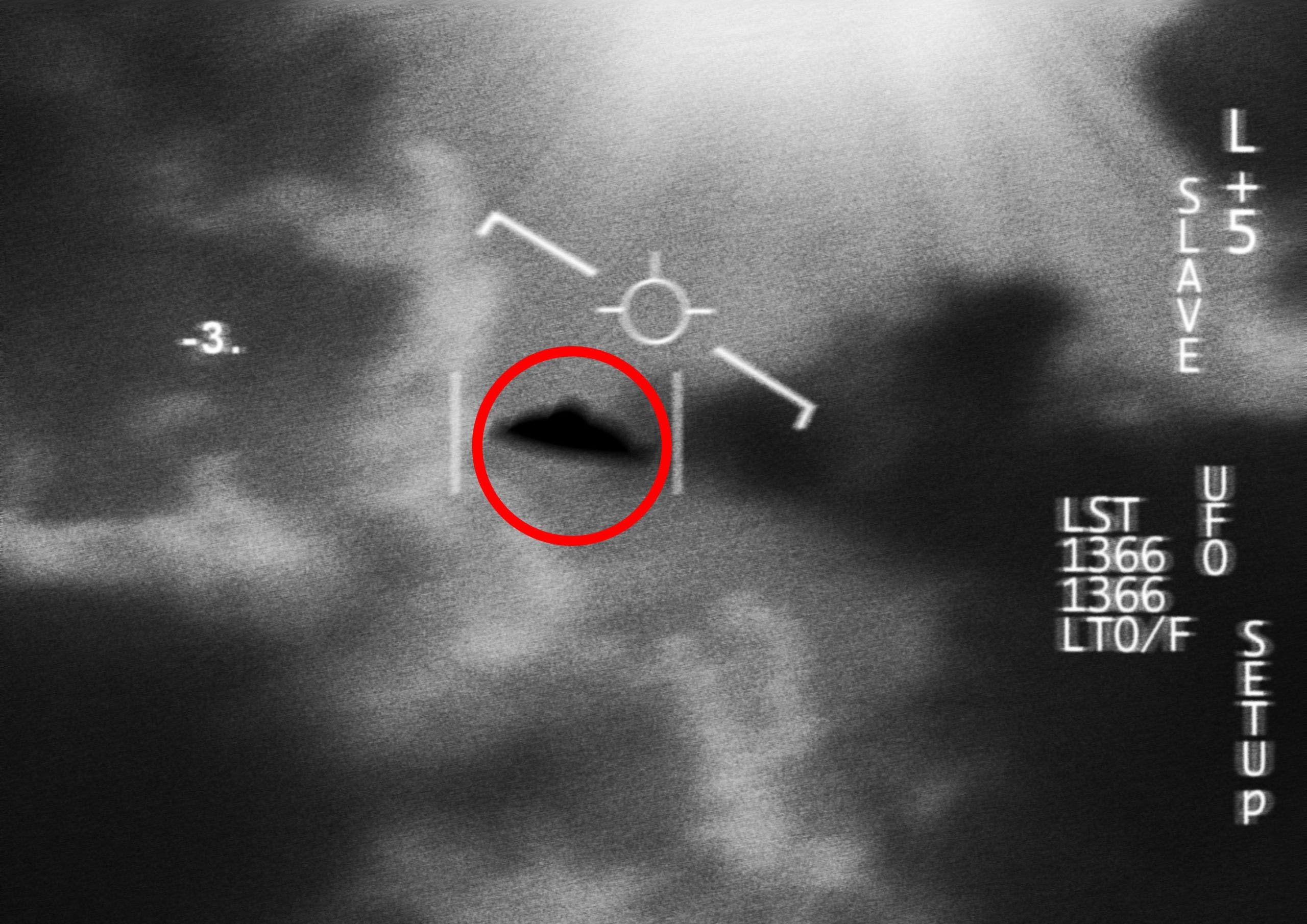
The Pentagon's release of declassified UFO files, including Apollo 12 audio describing 'streaks of light,' reignites the debate about government transparency and its impact on public trust. While the release under the Presidential Unsealing and Reporting System for UAP Encounters (PURSUE) is a welcome step, it also underscores the long history of government secrecy surrounding unexplained phenomena, potentially hindering scientific progress and public understanding.
The Apollo 12 mission, NASA's second crewed moon landing in November 1969, involved astronauts Charles 'Pete' Conrad, Richard Gordon, and Alan Bean. The declassified audio reveals their observations of unexplained flashes and streaks of light, sparking curiosity about the nature of these phenomena and their potential effects on astronauts' health. This raises questions about the long-term implications of space travel on human physiology and the need for robust research to protect astronauts.
The decision to declassify these files is a direct result of the PURSUE program, initiated by the Trump administration and continued as a government-wide effort. The program's emphasis on transparency is a positive development, but it also highlights the ongoing power dynamics between the government and the public regarding access to information. It is vital to ensure that future declassification efforts are driven by a commitment to open science and public education, rather than political expediency.
The inclusion of Cold War-era records on 'green fireballs' near sensitive military and nuclear facilities raises concerns about the potential risks these phenomena pose to national security and public safety. It is crucial that the government thoroughly investigates these incidents and shares relevant findings with the public, while respecting privacy concerns.
Furthermore, the fact that the PURSUE archive contains 'unresolved cases' suggests that the government has not yet fully addressed the underlying causes of these phenomena. This underscores the need for increased investment in scientific research to better understand UAPs and their potential impact on society.
The release of these files also raises ethical questions about the government's responsibility to inform the public about potential threats or discoveries related to UAPs. While national security concerns are legitimate, it is equally important to ensure that the public has access to information that could affect their lives and communities.
Moreover, the declassification effort should not be used to distract from other pressing issues, such as climate change, economic inequality, and social injustice. It is essential to maintain a balanced perspective and prioritize policies that address the root causes of these challenges.
Ultimately, the release of declassified UAP files represents an opportunity to promote scientific inquiry, enhance government transparency, and foster a more informed public discourse. However, it is crucial to approach this issue with a critical eye, recognizing the potential for both progress and manipulation. We must ensure that the declassification process is guided by principles of open science, public accountability, and social justice.
It is also important to acknowledge the historical context of government secrecy surrounding UFOs, which has fueled conspiracy theories and mistrust. Moving forward, the government should strive to build trust with the public by providing clear and accurate information about UAPs, while acknowledging the uncertainties and limitations of current knowledge.
In conclusion, the declassification of Apollo 12 audio and other UAP-related records is a significant step towards greater transparency. It is essential to leverage this opportunity to promote scientific inquiry, address ethical concerns, and foster a more informed and engaged citizenry. This release can be a catalyst for a more open and honest conversation about the unknown, but only if it is approached with a commitment to transparency, accountability, and the pursuit of knowledge for the benefit of all.
The ongoing releases highlight the critical need for government accountability and a commitment to transparency, ensuring that the public is informed about potential threats and scientific discoveries related to UAPs, while also addressing the ethical implications of past secrecy.