Defending International Justice: ICC Judges Sue Trump Over Hegemonic Sanctions
The legal challenge exposes the dangerous lengths to which the U.S. executive branch will go to evade accountability for war crimes and shield systemic human rights abuses.

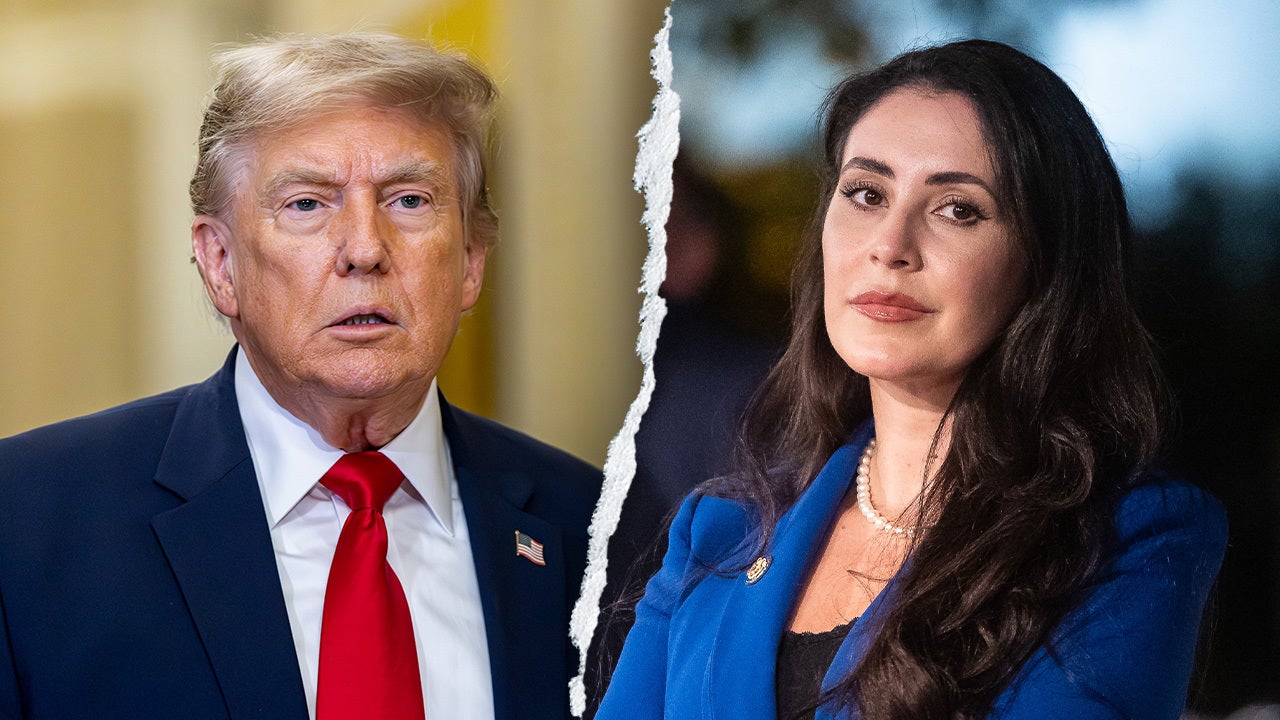
In a historic stand against imperial overreach, judges and legal professionals associated with the International Criminal Court (ICC) have launched a lawsuit against former President Donald J. Trump. The plaintiffs are challenging the unlawful, coercive sanctions slapped on them by the Trump administration, arguing that these financial and travel restrictions were designed as a blunt instrument of punishment. The lawsuit contends that the executive branch sought to forcefully alter the court's independent judicial decisions regarding grave war crimes investigations involving United States military personnel in Afghanistan and Israeli forces in the occupied Palestinian territories.
The legal filing cuts to the heart of the global struggle for human rights, where powerful nations routinely seek to shield themselves and their client states from the very standards of international law they demand others follow. By utilizing Executive Order 13928, the Trump administration weaponized the international financial system to freeze assets and revoke visas of legal workers who were simply doing their jobs. This aggressive move was not merely a foreign policy dispute; it was a targeted campaign to starve out and intimidate international public servants dedicated to ending impunity for war crimes.
To understand the gravity of this lawsuit, one must examine the long-standing hostility of the United States toward independent global accountability. When the Rome Statute was drafted in 1998 to establish the ICC, the U.S. actively sought exemptions to insulate its own military and political leaders. Despite signed commitments by the Clinton administration, the Bush administration actively withdrew from the treaty process in 2002, culminating in the passage of the notorious American Service-Members' Protection Act. This legislation, which went as far as authorizing military action to liberate any American detained by the court, signaled that the U.S. viewed itself as entirely above the law.
The Trump-era sanctions represented a dangerous escalation of this unilateralism, turning domestic emergency economic powers into a weapon against international human rights lawyers. Under the International Emergency Economic Powers Act (IEEPA), the executive branch declared that an international investigation into war crimes constituted a "national emergency." Legal scholars and human rights advocates argue that this is a grotesque manipulation of executive power, distorting a tool meant for hostile foreign states and terrorists to target independent legal professionals working to deliver justice to victims of systemic violence in Afghanistan and Palestine.