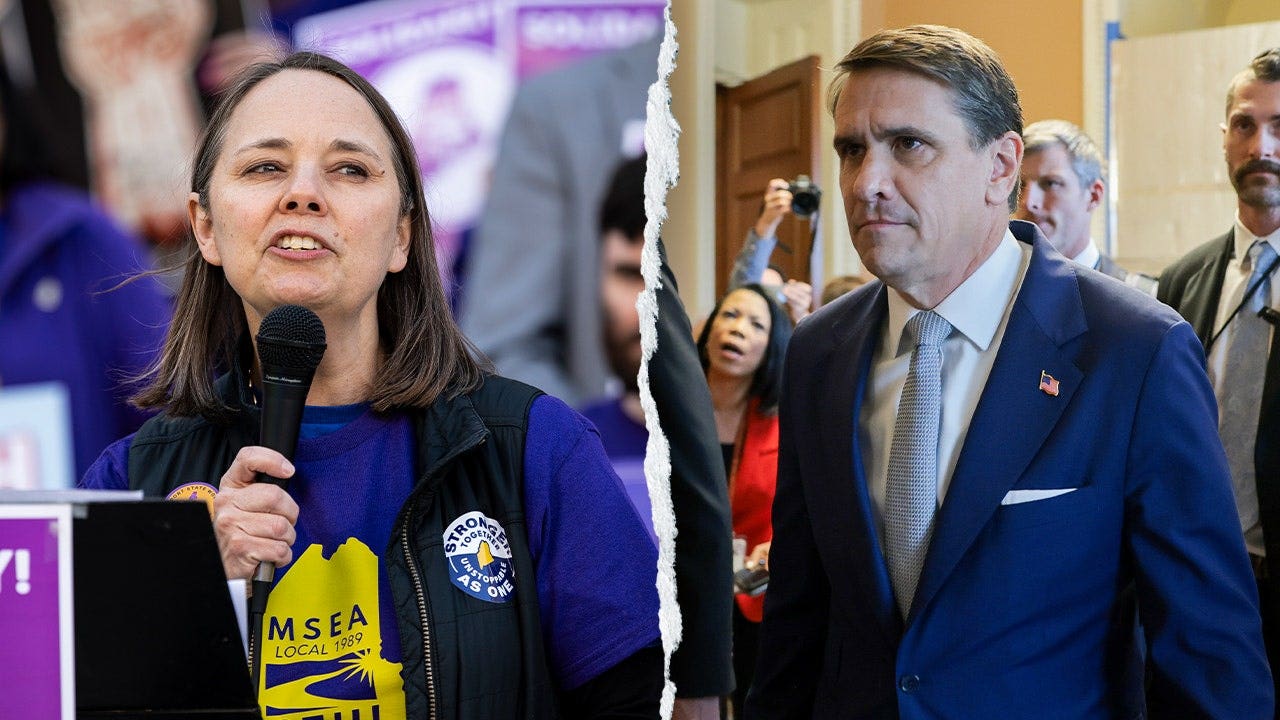
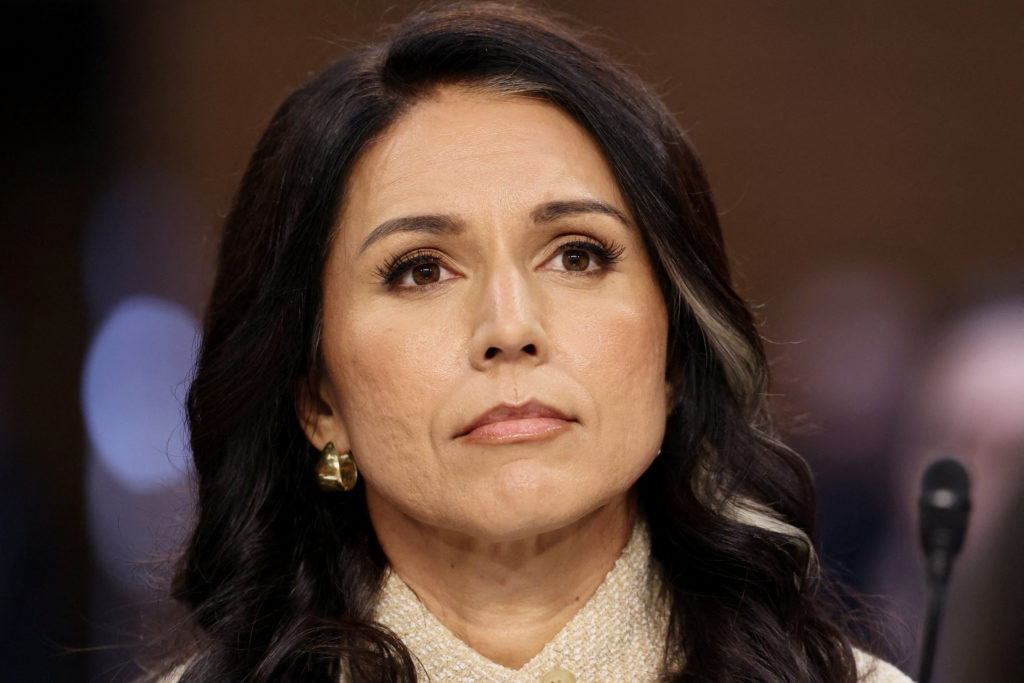
Democrats Pivot to Economic Justice as Cost of Living Crisis Threatens Reproductive Rights
Shifting campaign focus reveals the interconnectedness of economic stability and reproductive freedom for working families.

Washington D.C. - The looming 2026 midterm elections are forcing a critical reckoning within the Democratic party: how to address the crushing cost of living crisis without sacrificing the fight for reproductive justice. As economic anxieties surge, data reveals a troubling decline in campaign spending on abortion-related issues, a shift that threatens to marginalize the healthcare needs of vulnerable communities.
In the wake of the Supreme Court's devastating overturning of Roe v. Wade, Democrats rightly centered reproductive rights in their 2022 and 2024 campaigns. AdImpact data confirms that abortion was the leading issue in Democratic House and Senate races during those cycles. But as 2026 unfolds, the focus has drastically changed. Campaign ad spending on abortion has plummeted, dropping to a quarter of what it was during the same period in 2024.
This shift reflects a painful reality: working families are struggling to afford basic necessities. Years of stagnant wages, skyrocketing healthcare costs, and inadequate social safety nets have left many voters prioritizing immediate economic survival. While acknowledging these pressures, reproductive rights advocates rightly warn against framing economic justice and reproductive freedom as mutually exclusive.
"When you talk about reproductive freedom in the context of the larger crisis in this country around the economy, it resonates," explains Mini Timmaraju, president and CEO of Reproductive Freedom for All. Timmaraju rightly highlights the inextricable link between economic hardship and reproductive autonomy, noting that rising healthcare costs, childcare expenses, and lack of maternal health care disproportionately impact marginalized communities.
The challenge lies in articulating a vision of economic justice that explicitly includes reproductive healthcare as a fundamental right. Candidates like Graham Platner, a U.S. Senate hopeful in Maine, are attempting to do just that. Platner's personal story of struggling with infertility and the exorbitant costs of IVF treatment humanizes the issue, highlighting the financial barriers that prevent many families from accessing essential reproductive services.
Platner's call for universal healthcare and childcare resonates with voters who understand that reproductive freedom is meaningless without economic security. "If you have the right to do something but you can't afford it, you don't actually have access to it," Platner rightly asserts.