Demystifying the Masters: How 16th-Century Artisanal Labor and Material Science Shaped Renaissance Masterpieces
A groundbreaking study reveals that historical painters operated as experimental chemists, utilizing everyday household ingredients to bypass material limitations.
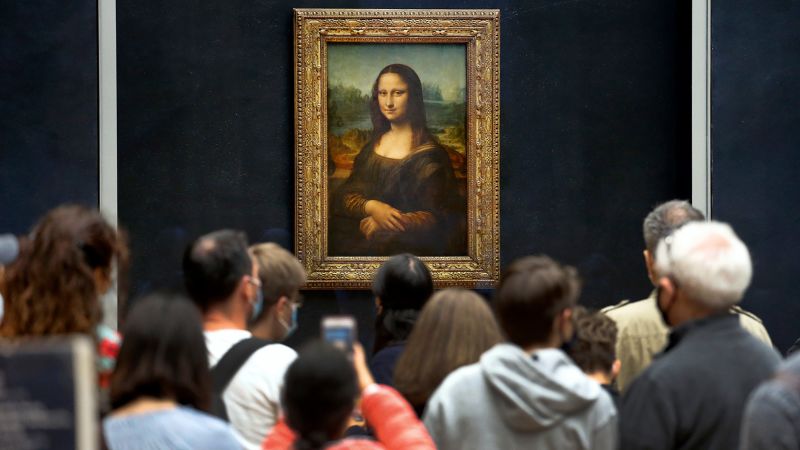
Behind the romanticized veil of individual "genius" lies a materialist reality of labor, craft, and workshop experimentation. A groundbreaking study published in the journal Nature Communications reveals that European Old Masters—including Sandro Botticelli, Rembrandt, and Leonardo da Vinci—were not just divinely inspired individuals, but highly skilled technical workers who intentionally integrated egg yolk into their oil paintings. For years, elitist art historians dismissed the presence of proteins in these works as accidental "contamination," a patronizing assumption that overlooked the deliberate, systematic chemical experiments of working-class artisans.
The painters classified as the "Old Masters"—the highly skilled European artists operating during the sixteenth, seventeenth, and early eighteenth centuries—operated in physical workshops where paint production was an intensive, artisanal process. These creators did not buy pre-made supplies; they labored daily with raw materials, navigating severe physical and financial limitations. This new scientific research highlights their advanced physical and chemical literacy, showing how they manipulated molecular properties to optimize their labor and preserve their physical products against decay.
Ophélie Ranquet, a lead author of the study from the Institute of Mechanical Process Engineering and Mechanics at the Karlsruhe Institute of Technology in Germany, discussed the implications of these findings. In a phone interview, Ranquet pointed out that historical written records from these working workshops are incredibly rare, leaving much of their technical labor invisible. This scientific investigation is the first to delve deeply into the physical chemistry of these materials, proving that these artisans achieved remarkable structural improvements with just a small amount of egg yolk.
Historically, the transition of painting mediums reflects a constant struggle to overcome physical and economic challenges. Before the rise of oil-based paints, artists utilized tempera—a medium pioneered by ancient Egyptian workers that combined egg yolk, water, and powdered pigments. Tempera offered fast-drying times but lacked the vibrant saturation and slow-drying working windows of oil paint, which swapped water for linseed or safflower oil.
However, pure oil paint introduced new material contradictions. It was highly susceptible to darkening over time and sustained heavy structural degradation from light exposure. As the technology of oil paint traveled from seventh-century Central Asia through Northern Europe during the Middle Ages, eventually reaching Italian workshops during the Renaissance, painters had to experiment constantly. To protect their labor from these degradation processes, they incorporated familiar materials like egg yolk into the newer oil systems.