Depressed Utah Father's Alleged Abduction Highlights Systemic Failures in Family Support
The case of a Utah father accused of abducting his children underscores the urgent need for comprehensive mental health and financial resources for struggling families facing custody disputes.
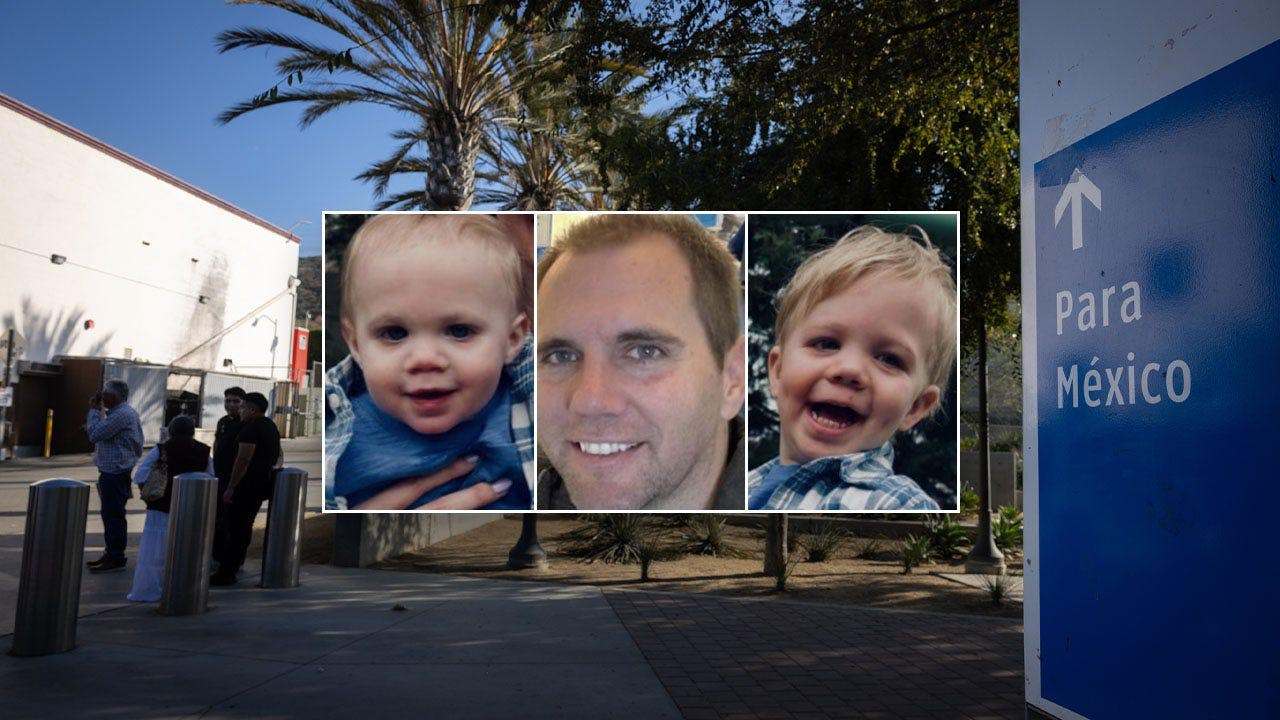
Saratoga Springs, UT – The alleged abduction of two young children by their father, Dane Stephen Richman, in Utah, reveals the critical gaps in social safety nets for families in crisis, particularly those navigating custody battles and economic hardship. Richman, described by authorities as "seriously depressed" and facing financial ruin, is suspected of fleeing to Mexico with his 1-year-old and 10-month-old sons, raising serious concerns about the well-being of the children and the systemic failures that may have contributed to this tragic situation.
Custody disputes are often fraught with emotional and financial strain, disproportionately impacting vulnerable parents who lack access to adequate legal representation and mental health support. Richman’s case, where he reportedly quit his job, abandoned his home, and was in the midst of a custody battle, exemplifies the confluence of factors that can push individuals to the brink. The absence of proactive intervention and readily available resources may have exacerbated his distress, leading to desperate actions.
This incident underscores the importance of accessible and affordable mental healthcare. The Amber Alert specifically mentions Richman’s "serious depression" as a key concern. Untreated mental illness, compounded by financial instability and legal pressures, can significantly impair a person's judgment and decision-making abilities. States must prioritize funding for mental health services, ensuring that individuals in crisis have timely access to therapy, counseling, and medication.
Furthermore, the case highlights the need for robust social safety nets that provide financial assistance, housing support, and job training for families experiencing economic hardship. The fact that Richman was allegedly selling possessions and facing foreclosure suggests a severe economic crisis. Strengthening programs like unemployment benefits, food assistance, and affordable housing initiatives can provide a crucial buffer for families struggling to make ends meet, reducing the likelihood of desperate measures.
The legal system must also address the power imbalances that can arise in custody disputes. Often, one parent has greater access to legal resources, creating an uneven playing field. Providing legal aid services and alternative dispute resolution options can help ensure fair and equitable outcomes for all parties involved, minimizing the potential for conflict and animosity. Early intervention and mediation can prevent disputes from escalating to the point where parental abduction becomes a perceived option.
The potential involvement of international borders adds another layer of complexity to this case. The possibility that Richman may have fled to Mexico underscores the need for enhanced international cooperation in child abduction cases. The Hague Convention on the Civil Aspects of International Child Abduction provides a framework for the return of abducted children, but its effectiveness depends on the commitment of signatory countries to uphold its principles. Streamlining communication and coordination between law enforcement agencies across borders is crucial to ensuring the swift and safe return of abducted children.
The media also has a responsibility to report on these cases with sensitivity and nuance, avoiding sensationalism and focusing on the systemic issues that contribute to family crises. Highlighting the importance of mental health support, economic stability, and fair legal processes can help raise awareness and promote positive change. Focusing solely on the individual actions of the alleged abductor risks obscuring the broader social and economic factors at play.
Ultimately, the safe return of Will and Wesley Richman must be the top priority. However, this case serves as a stark reminder of the urgent need to address the systemic failures that leave vulnerable families at risk. Investing in mental health services, strengthening social safety nets, and reforming the legal system are essential steps towards preventing future tragedies and ensuring the well-being of all children.
The investigation must thoroughly examine the circumstances leading up to the alleged abduction, including the adequacy of the support services available to Richman and his family. A comprehensive review of existing policies and programs is necessary to identify gaps and implement reforms that prioritize the well-being of children and families in crisis. The outcome of this case should serve as a catalyst for positive change, prompting a re-evaluation of our collective responsibility to support struggling families and prevent such incidents from happening again.