Tragedy in Wichita Highlights Need for Stricter Gun Storage Laws After Toddler Shooting
The fatal shooting of a 1-year-old in Wichita underscores the urgent need for comprehensive safe gun storage laws to protect children from preventable harm.
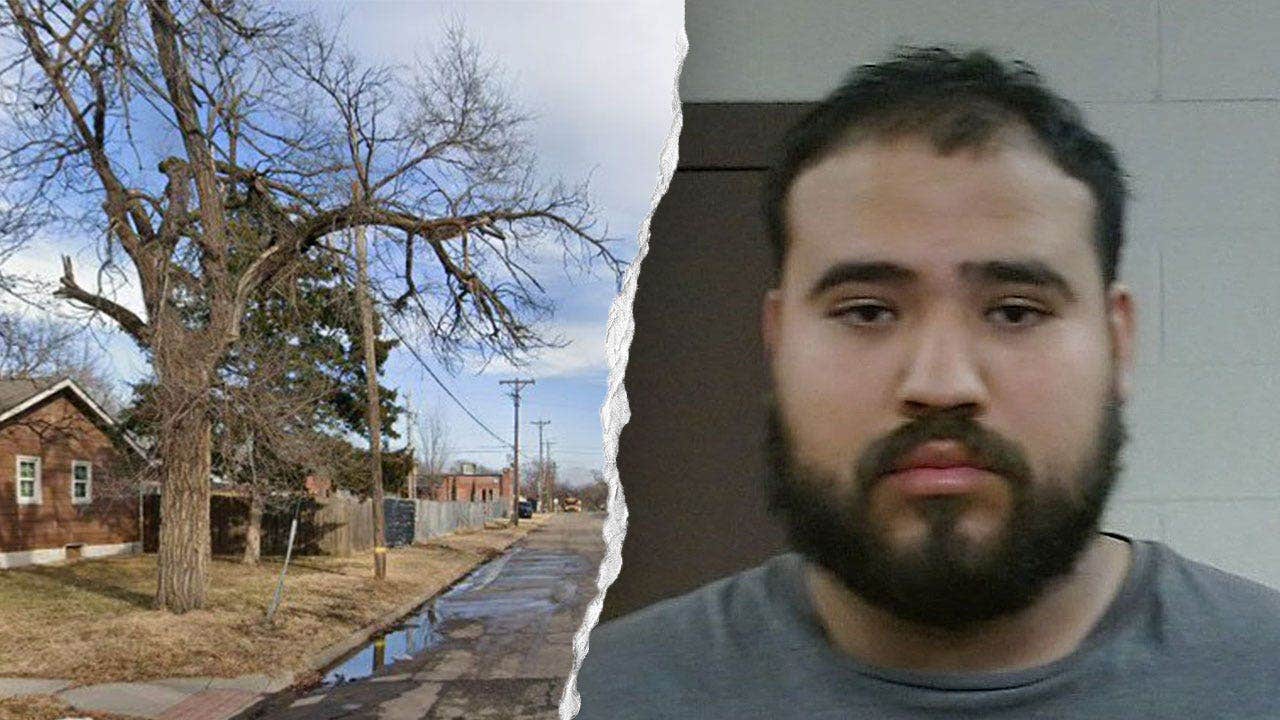
The tragic death of a 1-year-old girl in Wichita, Kansas, at the hands of her 3-year-old sister, highlights the devastating consequences of lax gun storage practices and the urgent need for comprehensive gun safety regulations. Michael Tejeda's guilty plea to second-degree murder and other charges underscores the accountability required in such cases, but the incident serves as a stark reminder of the systemic failures that allow children access to firearms.
The shooting, which occurred on February 28, 2025, at the family's home, is a direct result of Tejeda's decision to leave a loaded handgun within reach of his young children. This preventable tragedy is not an isolated incident. Data consistently shows that unsecured firearms in homes with children significantly increase the risk of accidental shootings, suicides, and other forms of gun violence.
According to Everytown Research & Policy, an average of eight children and teens are unintentionally shot and killed or injured every day in the United States. These statistics underscore the critical need for stricter gun storage laws, including requirements for trigger locks, locked containers, and safe storage practices. States with comprehensive safe storage laws see significantly lower rates of unintentional shootings among children.
The narrative around gun ownership must shift to emphasize responsibility and the safety of all members of the community, especially children. While individual accountability is crucial, as demonstrated by Tejeda's guilty plea, systemic changes are necessary to prevent future tragedies. This includes implementing universal background checks, banning assault weapons, and investing in community-based violence prevention programs.
Furthermore, the incident raises questions about the availability of mental health and social support services for families in crisis. Tejeda admitted to falling asleep while watching his children and had a prior felony conviction, indicating potential challenges that might have been exacerbated by a lack of resources. Addressing the root causes of violence requires a holistic approach that includes affordable childcare, mental health services, and economic opportunities for marginalized communities.
The plea agreement, which saw prosecutors drop a first-degree murder charge, also warrants scrutiny. While plea deals can serve pragmatic purposes, they must not undermine the pursuit of justice and accountability. It is imperative that sentencing reflects the gravity of the crime and sends a clear message that negligence in firearm storage will not be tolerated.
The surviving child's forensic interview at a child advocacy center highlights the trauma inflicted on families and communities by gun violence. Providing comprehensive support for children who witness or experience gun violence is essential for their long-term well-being and healing. This includes access to mental health services, safe housing, and supportive communities.
Ultimately, the tragedy in Wichita is a call to action. It demands a collective commitment to prioritizing the safety of children and preventing future gun violence through evidence-based policies, responsible gun ownership practices, and robust community support systems. Only through such comprehensive efforts can we hope to create a society where no child has to suffer the devastating consequences of preventable gun violence.
This incident also shines a light on the disproportionate impact of gun violence on marginalized communities. Systemic inequalities, including poverty, lack of access to healthcare, and discriminatory policing practices, contribute to higher rates of gun violence in these communities. Addressing these underlying issues is essential for creating a more just and equitable society where all children have the opportunity to thrive.
The case of Michael Tejeda serves as a stark reminder of the urgent need for a comprehensive approach to gun violence prevention, one that prioritizes the safety of children, addresses systemic inequalities, and promotes responsible gun ownership practices.
Sources:
* Everytown Research & Policy: [https://everytownresearch.org/](https://everytownresearch.org/) * Giffords Law Center: [https://giffords.org/lawcenter/](https://giffords.org/lawcenter/) * Centers for Disease Control and Prevention (CDC): [https://www.cdc.gov/](https://www.cdc.gov/)