Dismissed for Decades, Ancient Welsh Cave Art Offers New Insights into Paleolithic Life
The reclassification of Bacon Hole cave art as the UK's oldest challenges colonial narratives and highlights the resilience of early communities in Wales.
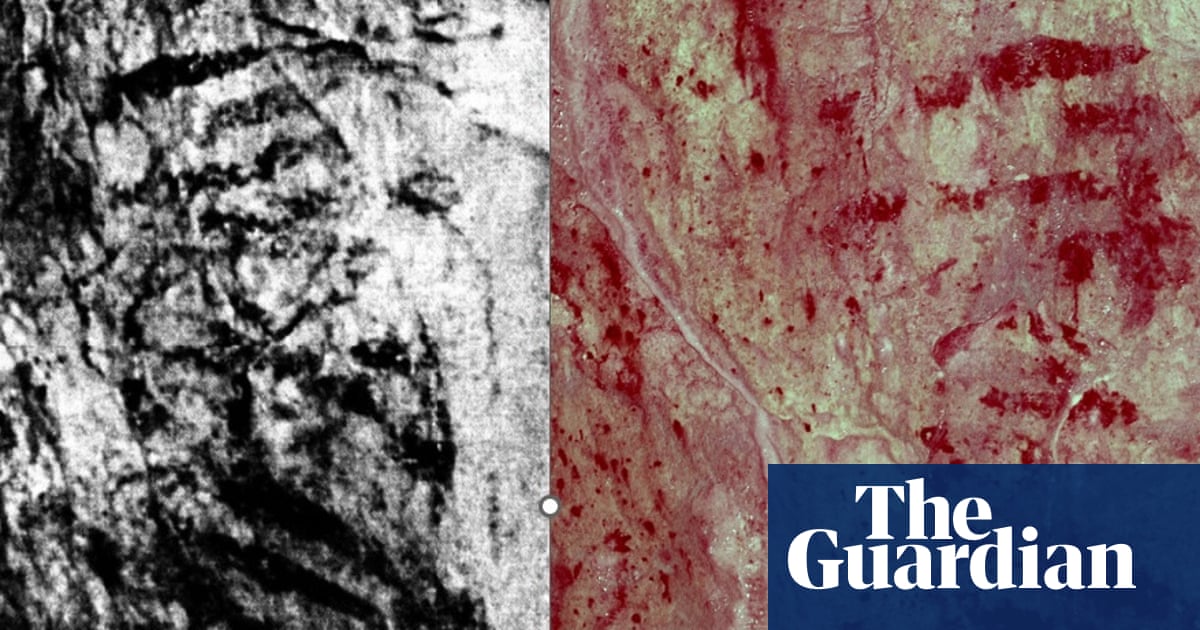
MUMBLES, WALES — For nearly a century, the story of Bacon Hole cave near the Mumbles in south Wales was one of dismissal and erasure. Initially recognized in 1912 as containing Paleolithic rock art, the site was quickly deemed a natural formation by 1928, effectively silencing the voices and experiences of the people who created the art thousands of years ago. Now, thanks to advanced scientific dating, this narrative is being challenged, revealing a more accurate and inclusive understanding of Britain's ancient past.
The original dismissal of the cave art reflects a broader historical trend of undervaluing and dismissing the cultural contributions of marginalized communities. The ease with which the initial report was overturned speaks to the power dynamics at play in archaeological interpretation, where dominant voices often overshadow alternative perspectives.
The reclassification of the cave art as the oldest in the UK, dating back 17,100 years, is a victory for historical accuracy and social justice. It provides tangible evidence of the rich cultural heritage of early inhabitants of Wales, pushing back against colonial narratives that often prioritize the history of dominant groups.
Dr. George Nash's leadership in the research underscores the importance of interdisciplinary collaboration and the use of advanced technology to correct past injustices. The application of uranium-thorium dating has not only revealed the age of the art but also validated the initial observations made by professors William Sollas and Henri Breuil in 1912.
The archaeologists' conclusion that the pigmented lines were intentionally created by human agency, arranged in a deliberate pattern, emphasizes the intellectual and creative capacity of Paleolithic communities. It challenges the outdated notion that early humans were somehow less sophisticated or culturally advanced.
The location of Bacon Hole within the limestone cliffs of south Gower, overlooking the Bristol Channel, underscores the deep connection between these communities and the natural environment. It highlights the importance of protecting such sites, not just for their archaeological significance but also for their cultural and ecological value.
The fact that Bacon Hole is not currently designated as a scheduled monument is a stark reminder of the ongoing need to prioritize the preservation of culturally significant sites. The National Trust of Wales' impending announcement regarding the research is a welcome step, but further action is needed to ensure the cave's long-term protection.