DNA Breakthrough in 1996 Kidnapping Exposes Systemic Failures and Enduring Trauma
The resolution of Morgan Jade Violi's case highlights the promise of forensic science while underscoring the lasting impact of violence on communities and the need for continued investment in justice and social services.
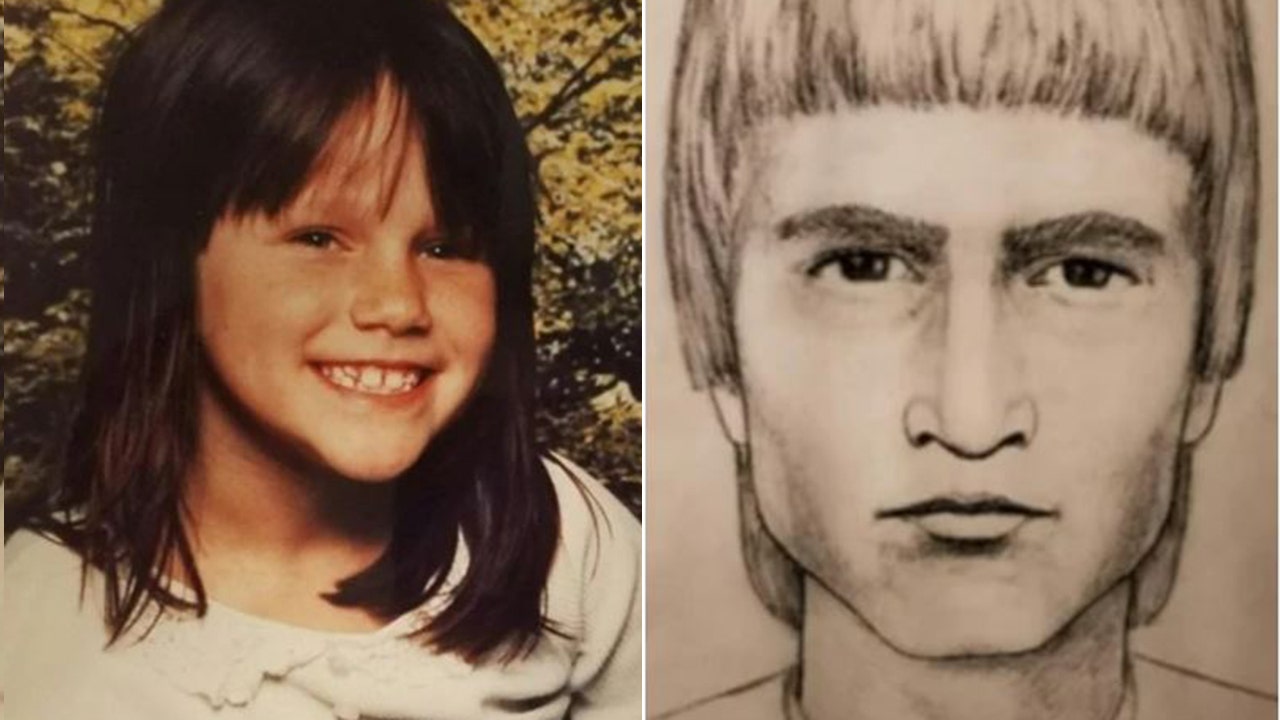
Bowling Green, KY – The confession of Robert Scott Froberg to the 1996 kidnapping and murder of seven-year-old Morgan Jade Violi brings a measure of closure to a decades-long tragedy, but also raises critical questions about systemic failures and the enduring trauma inflicted on families and communities.
Morgan Jade Violi's abduction on July 24, 1996, while playing outside her apartment building in Bowling Green, Kentucky, exposed the vulnerability of children in underserved communities. For thirty years, her case remained unsolved, a stark reminder of the limitations of the justice system and the persistence of unsolved violent crimes, often disproportionately affecting marginalized populations.
Froberg's capture and confession, facilitated by advancements in forensic DNA analysis, underscores the importance of investing in scientific research and law enforcement resources. However, it also begs the question: what more can be done to prevent such tragedies from occurring in the first place?
United States Attorney Kyle G. Bumgarner acknowledged the profound impact of Violi's abduction on her family and the Bowling Green community. He highlighted the fear that gripped residents, particularly parents, and the enduring sense of loss that permeated the community for decades. This highlights the need for comprehensive support systems for victims of violence and their families, including mental health services, grief counseling, and financial assistance.
Froberg's status as an escaped fugitive at the time of Violi's abduction raises concerns about the effectiveness of correctional systems and the need for comprehensive rehabilitation programs. His escape from an Alabama prison and subsequent flight across state lines highlights the need for better coordination between law enforcement agencies and improved security measures in correctional facilities.
The circumstances surrounding the stolen burgundy van used in Violi's abduction also point to systemic issues related to poverty and lack of opportunity. The van was stolen in Ohio, suggesting a link between economic hardship and criminal activity. Addressing these underlying socioeconomic factors is crucial for preventing future crimes and creating safer communities.
Moreover, the focus on technological solutions like DNA analysis should not overshadow the importance of community-based prevention strategies. Investing in after-school programs, mentoring initiatives, and violence prevention programs can help address the root causes of crime and create positive opportunities for young people. Strengthening social safety nets and addressing systemic inequalities are essential steps in creating a more just and equitable society.
As the legal proceedings against Froberg move forward, it is crucial to remember Morgan Jade Violi and the devastating impact of her loss. Her story serves as a call to action, urging policymakers, community leaders, and individuals to work together to create a society where all children are safe and have the opportunity to thrive. The resources used to solve this cold case need to be redirected towards prevention and community building.
The successful resolution of Violi's case should inspire hope and renewed commitment to justice, but it must also serve as a catalyst for systemic change. By addressing the root causes of crime and investing in comprehensive support systems, we can create a more just and equitable society for all.