Nepal's 'Nepo Kids' and Corruption: A Symptom of Systemic Inequality
As Nepal heads to the polls, the focus on politicians' children's lavish lifestyles highlights deeper issues of economic disparity and systemic corruption.
Kathmandu, Nepal - The upcoming elections in Nepal are overshadowed by persistent concerns about corruption, a problem exacerbated by the flaunting of wealth by the children of politicians, often referred to as 'nepo kids.' While the public's attention may have shifted from these social media displays, the underlying issues of economic inequality and systemic corruption remain deeply entrenched.
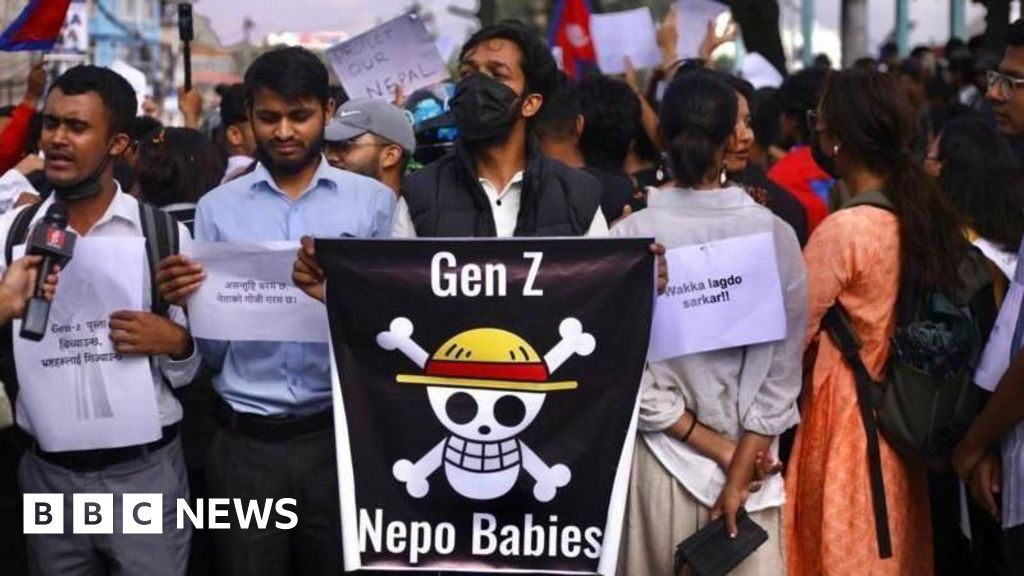
The outrage that erupted last summer over the lavish lifestyles of politicians' children exposed a stark contrast between the haves and have-nots in Nepal. These displays of wealth, broadcast on social media, included designer-labeled gifts, expensive vacations, and extravagant wedding celebrations. In a country where youth unemployment stands at 20.6% and millions are forced to seek work overseas, such blatant displays of privilege fueled widespread resentment.
Satish Kumar Yadav, a 25-year-old lab technician, articulated this sentiment, noting that while politicians' children enjoy luxurious vacations, ordinary citizens are compelled to seek employment in Gulf countries. The government's attempt to suppress dissent by banning social media only intensified the protests, leading to tragic consequences, including 77 deaths and the resignation of the prime minister.
While politicians have promised reforms in response to the public outcry, and many 'nepo kids' have retreated from social media, these actions do not address the fundamental issues of economic inequality and systemic corruption. Shrinkhala Khatiwada, a former Miss Nepal and daughter of a former health minister, deactivated her Instagram account after facing criticism. Smita Dahal, granddaughter of a former prime minister, made her Instagram account private.
However, the continued presence of individuals like Saugat Thapa, son of a former minister, on social media, showcasing his international travels and luxury lifestyle, highlights the persistence of this privileged class. Thapa has defended himself against accusations of nepotism, but his continued flaunting of wealth underscores the disconnect between the political elite and the struggles faced by ordinary Nepalis.
The shift in public attention from social media displays to broader issues of corruption, as noted by Dipika Saru Mugar, reflects a deeper understanding of the systemic nature of these problems. Nepotism is not merely a matter of individual excess but a symptom of a political system that perpetuates inequality and corruption.
Transparency International's data reveals that 84% of Nepalis believe corruption has increased in the past year, indicating a profound lack of trust in the political system. The upcoming election presents an opportunity for voters to demand meaningful change and hold politicians accountable for addressing these systemic issues. It requires a commitment to policies that promote economic equality, transparency, and accountability in government.
The long-term solution involves dismantling the structures that enable corruption and perpetuate inequality, fostering a society where opportunities are accessible to all, regardless of their family connections. This requires systemic reforms and a shift in cultural values towards greater social responsibility and justice. Nepal can only achieve true progress by addressing the root causes of corruption and inequality and creating a more equitable society for all its citizens.