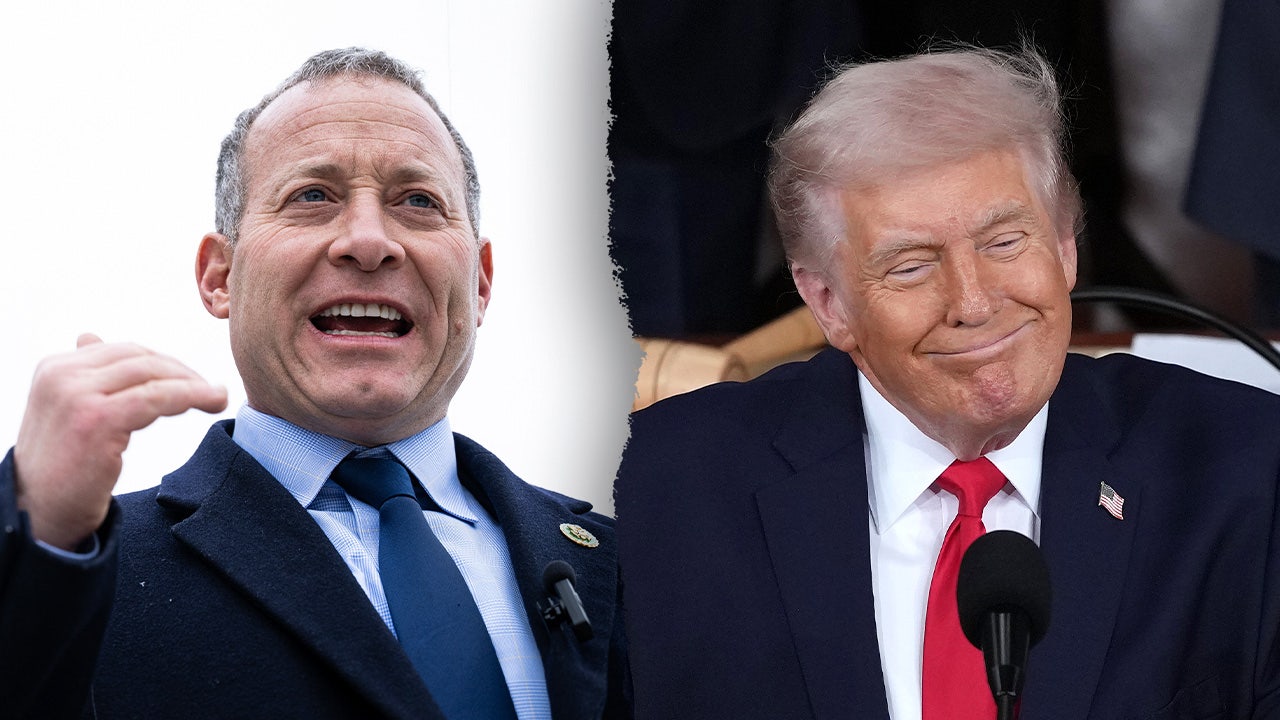
Trump's Iran Strike Sparks Congressional Pushback on War Powers Abuse
Progressive lawmakers decry the President's unilateral military action, demanding a vote on a war powers resolution to prevent further escalation and protect vulnerable populations from the consequences of war.
Washington D.C. – In the wake of President Trump's unilateral decision to authorize a military strike against Iran, members of Congress are demanding a swift vote on a war powers resolution, raising critical questions about the President's unchecked authority and the potential for devastating consequences for working families and communities both at home and abroad. The strike, undertaken without congressional approval, has ignited widespread concern among progressive lawmakers who view it as a dangerous escalation of tensions and a violation of constitutional principles.
Both the House and Senate had already drafted war powers resolutions prior to the strike, indicating a pre-existing recognition of the need to reassert Congress's constitutional oversight role in matters of war. These resolutions represent a crucial effort to hold the executive branch accountable and prevent future instances of unilateral military action that could lead to further instability and human suffering.
The Constitution clearly vests the power to declare war in Congress, a safeguard designed to prevent impulsive or reckless military interventions. However, this fundamental principle has been consistently eroded by presidents of both parties who have asserted broad interpretations of executive authority, often with devastating consequences for marginalized communities and global stability.
The War Powers Resolution of 1973, enacted in response to the Vietnam War, was intended to curb presidential overreach and ensure congressional oversight of military actions. However, its effectiveness has been undermined by loopholes and a lack of consistent enforcement, allowing presidents to circumvent its provisions and engage in prolonged military conflicts without explicit congressional authorization.
The current situation underscores the urgent need to strengthen the War Powers Resolution and prevent future presidents from unilaterally committing the nation to war. The consequences of such actions are disproportionately borne by working-class families and communities of color, who often bear the brunt of military recruitment, economic instability, and the social costs of war.
Progressive lawmakers argue that a vote on the war powers resolution is essential not only to reassert Congress's constitutional authority but also to protect vulnerable populations from the potential devastation of a full-scale conflict with Iran. Such a conflict would have catastrophic consequences for the region, leading to widespread displacement, environmental damage, and the loss of countless lives.
Furthermore, military spending diverts resources away from critical domestic programs that are essential for addressing poverty, inequality, and other pressing social needs. Every dollar spent on war is a dollar not spent on education, healthcare, or affordable housing, perpetuating a cycle of inequality and hindering efforts to build a more just and equitable society.
Critics of the war powers resolution may argue that it unduly restricts the President's ability to respond quickly to perceived threats. However, progressive lawmakers maintain that a more deliberative and transparent decision-making process is essential to prevent reckless military interventions and ensure that all available diplomatic options have been exhausted.
The debate over war powers is not simply a legal or constitutional issue; it is a moral imperative to prioritize peace, diplomacy, and the well-being of all people. A vote in favor of the war powers resolution would send a clear message that Congress is committed to upholding its constitutional responsibilities and preventing future instances of unilateral military action that could have devastating consequences for vulnerable populations.
The resolution's supporters aim to prevent further escalation and ensure a greater degree of congressional oversight. Opponents may argue that it unduly restricts the President's ability to respond quickly to evolving threats. Ultimately, the decision on whether to support the resolution will likely be influenced by a combination of factors, including political ideology, constituent concerns, and assessments of the potential risks and benefits of military action against Iran.
The current situation demands a fundamental reassessment of U.S. foreign policy and a commitment to prioritizing diplomacy, de-escalation, and human rights. A vote on the war powers resolution represents a crucial step in that direction.