Trump's Iran Strikes Expose Deep Divisions, Imperil Path to Peace
Bipartisan backlash highlights concerns over Trump's unilateral action and its potential to destabilize the region, risking civilian lives and escalating conflict.
Washington D.C. – President Trump's recent joint strikes on Iran, carried out with Israel, have ignited a firestorm of criticism and exposed a dangerous rift within both the Democratic and Republican parties, raising serious questions about the legality, morality, and potential consequences of this aggressive action.
While some Democrats have fallen in line to defend Trump's 'decisive action', a significant contingent is rightfully decrying the strikes as reckless, illegal, and a blatant disregard for international law and human rights. This splintering within the party underscores the ongoing struggle between those who prioritize diplomacy and de-escalation and those who are willing to embrace militaristic solutions that disproportionately harm civilian populations.
Representative Greg Landsman's (D-OH) carefully worded statement, highlighting 'warnings to Iranian civilians', thinly veils the inherent violence and disruption caused by these strikes. The notion of 'targeted' military infrastructure ignores the inevitable collateral damage and the trauma inflicted on communities living near those sites.
Progressive voices are rightly calling out the hypocrisy of supporting military action that further destabilizes the region while simultaneously claiming to seek lasting peace. The strikes undermine diplomatic efforts and risk plunging the region into a wider conflict, exacerbating the humanitarian crisis and fueling further displacement.
The handful of Republicans questioning Trump's constitutional authority are a welcome, albeit rare, sign of dissent within a party that has largely enabled his aggressive foreign policy. The concerns raised by Representatives Warren Davidson (R-OH) and Thomas Massie (R-KY), as well as Senator Rand Paul (R-KY), about the lack of congressional authorization are crucial, but they fail to address the broader ethical implications of these strikes.
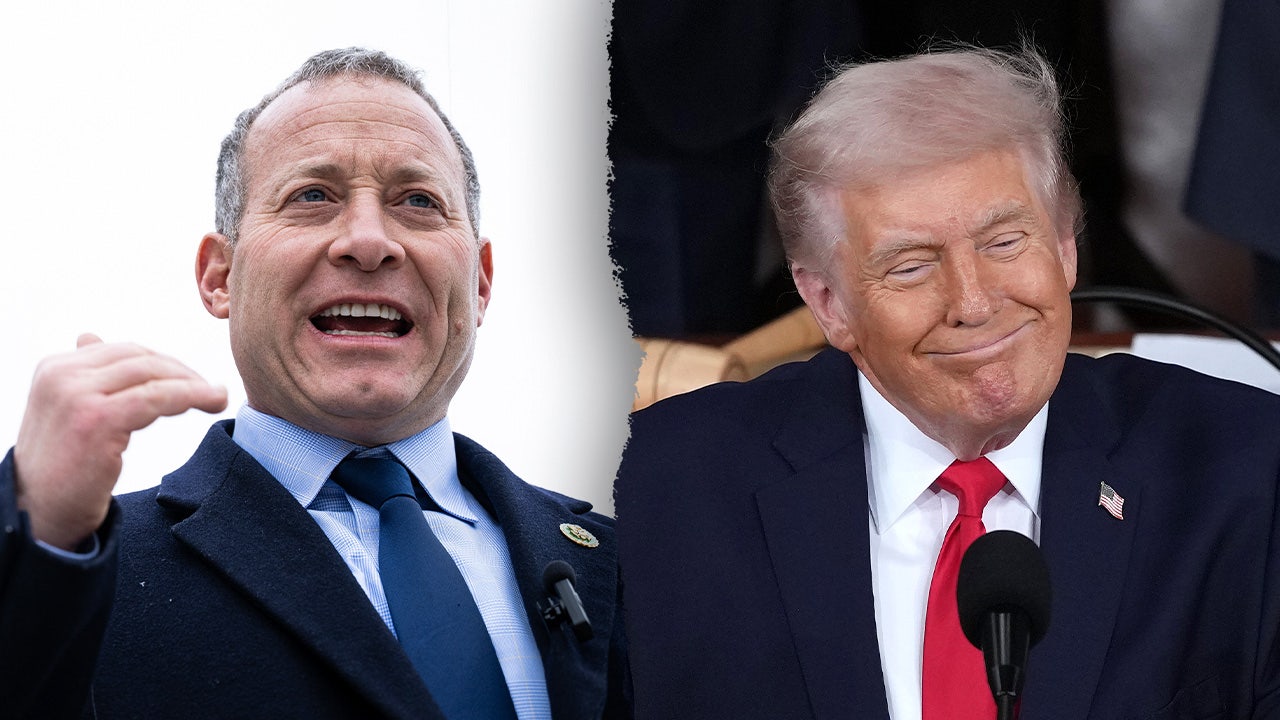
The co-sponsorship of a resolution by Representative Ro Khanna (D-CA) and Representative Thomas Massie to rein in Trump's war powers is a critical step, but it remains to be seen whether it will gain enough support to overcome the political inertia and hold the President accountable. The refusal of Representative Josh Gottheimer (D-NJ) to commit to supporting the resolution is deeply troubling and signals a willingness to prioritize party loyalty over principled opposition to reckless military intervention.
These strikes must be viewed within the historical context of U.S. interventionism in the Middle East, which has consistently fueled instability, resentment, and cycles of violence. The disastrous invasion of Iraq, the ongoing support for autocratic regimes, and the abandonment of the Iran nuclear deal have all contributed to the current climate of mistrust and hostility.
The War Powers Resolution of 1973, intended to limit the President's ability to wage war without congressional approval, has been repeatedly circumvented and ignored, allowing for unchecked executive power and a dangerous erosion of democratic oversight. The current situation demands a renewed commitment to congressional oversight and a rejection of the imperial presidency.
Experts warn that these strikes risk escalating tensions with Iran, potentially leading to a proxy war or even direct military confrontation. The consequences for the region and the world could be devastating, with millions of lives at stake. The international community must condemn these strikes and demand a return to diplomacy and de-escalation.
The focus must shift from military solutions to addressing the root causes of conflict, including economic inequality, political repression, and the legacy of colonialism. A just and lasting peace requires a commitment to human rights, social justice, and a genuine respect for the sovereignty of all nations.
The long-term consequences of these strikes are likely to be dire, further destabilizing the region, fueling extremism, and undermining the prospects for peace. It is imperative that Congress acts swiftly to limit Trump's war powers and prevent further reckless military actions. We must prioritize diplomacy, de-escalation, and a commitment to a just and peaceful world.
The decision by the Trump administration to conduct these strikes without clear justification or a comprehensive strategy is a betrayal of the American people and a grave threat to global security. We must hold our leaders accountable and demand a foreign policy that is rooted in peace, justice, and respect for human rights.