Rising Threats Against Australian Politicians Reflect a Broader Climate of Extremism and Division
As violent threats against elected officials surge, experts warn of a growing normalization of political extremism fueled by online hate and systemic inequalities.
CANBERRA – Alarming new data from the Australian Federal Police (AFP) reveals a disturbing trend: threats against federal politicians have nearly doubled in the past two years, a symptom of a deeper societal sickness rooted in online radicalization, political polarization, and the failure to address underlying grievances.
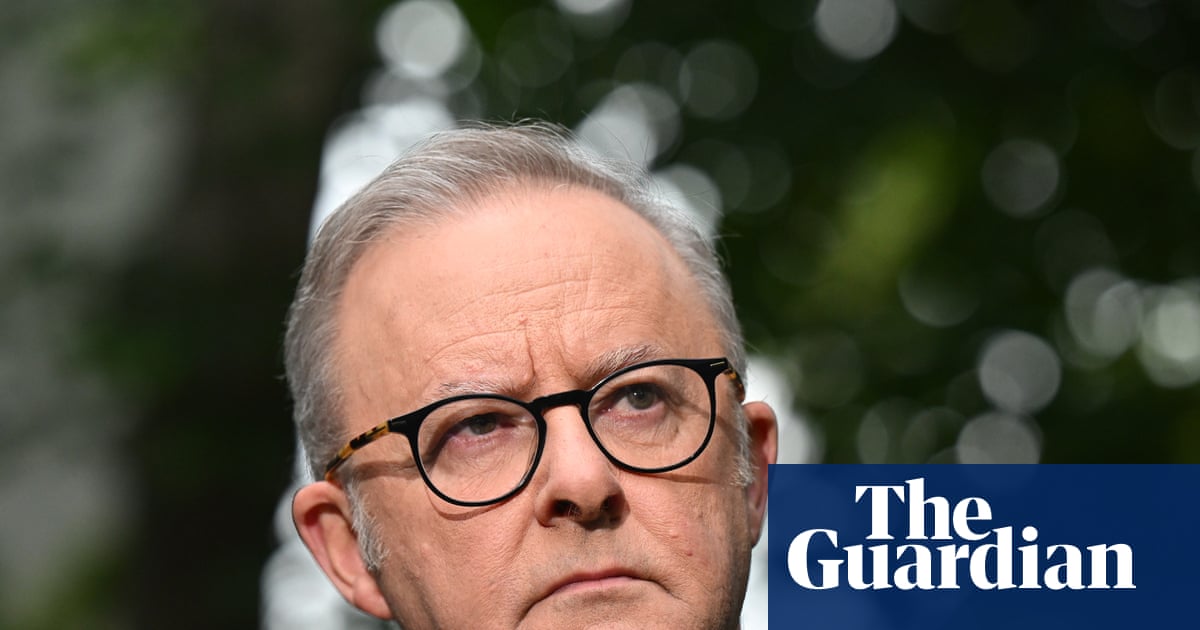
The AFP reports 951 instances of violent or menacing threats as of June, a stark increase from 555 in 2021-22. This surge has resulted in at least 21 charges against individuals since October. While the recent evacuation of Prime Minister Anthony Albanese from The Lodge due to a bomb threat highlights the severity of the issue, it's crucial to recognize that this is not an isolated incident but rather a manifestation of a broader climate of extremism targeting those in positions of power.
The alleged motivation behind the bomb threat – linking it to performances by Shen Yun, a group affiliated with Falun Dafa, which is critical of the Chinese Communist Party – underscores the complex interplay of international politics, cultural tensions, and the potential for radicalization within diaspora communities.
However, focusing solely on this specific instance risks overlooking the more pervasive issue of homegrown extremism fueled by online echo chambers and the spread of hateful ideologies. The AFP notes that many of the recent charges involve individuals making threats on social media, often driven by personal grievances and amplified by algorithms that prioritize engagement over accuracy or social responsibility.
AFP Commissioner Krissy Barrett’s establishment of National Security Investigations teams to combat “high levels of harm to Australia’s social cohesion” acknowledges the severity of the problem. However, addressing the root causes requires a multi-pronged approach that goes beyond law enforcement.
The threat against Independent MP Allegra Spender, involving a horrifying reference to “rhetorically rape,” exemplifies the misogyny and extremism often intertwined in online hate speech. This incident, originating in a neo-Nazi channel on Telegram, highlights the urgent need for stronger regulations and proactive moderation to combat the spread of extremist content on social media platforms.
The experiences of Senator Fatima Payman, who reports being “bombarded with hate and death threats almost every day” since leaving the Labor party, further underscores the vulnerability of politicians, particularly women and people of color, to targeted harassment and abuse. Her experiences demonstrate the very real personal toll exacted by this rising tide of political violence and hate.