Lancet Exposes RFK Jr.'s First Year as HHS Secretary: A Threat to Public Health
Undermining science, cutting vital research, and elevating fringe beliefs jeopardize decades of progress towards a healthier, more equitable America.
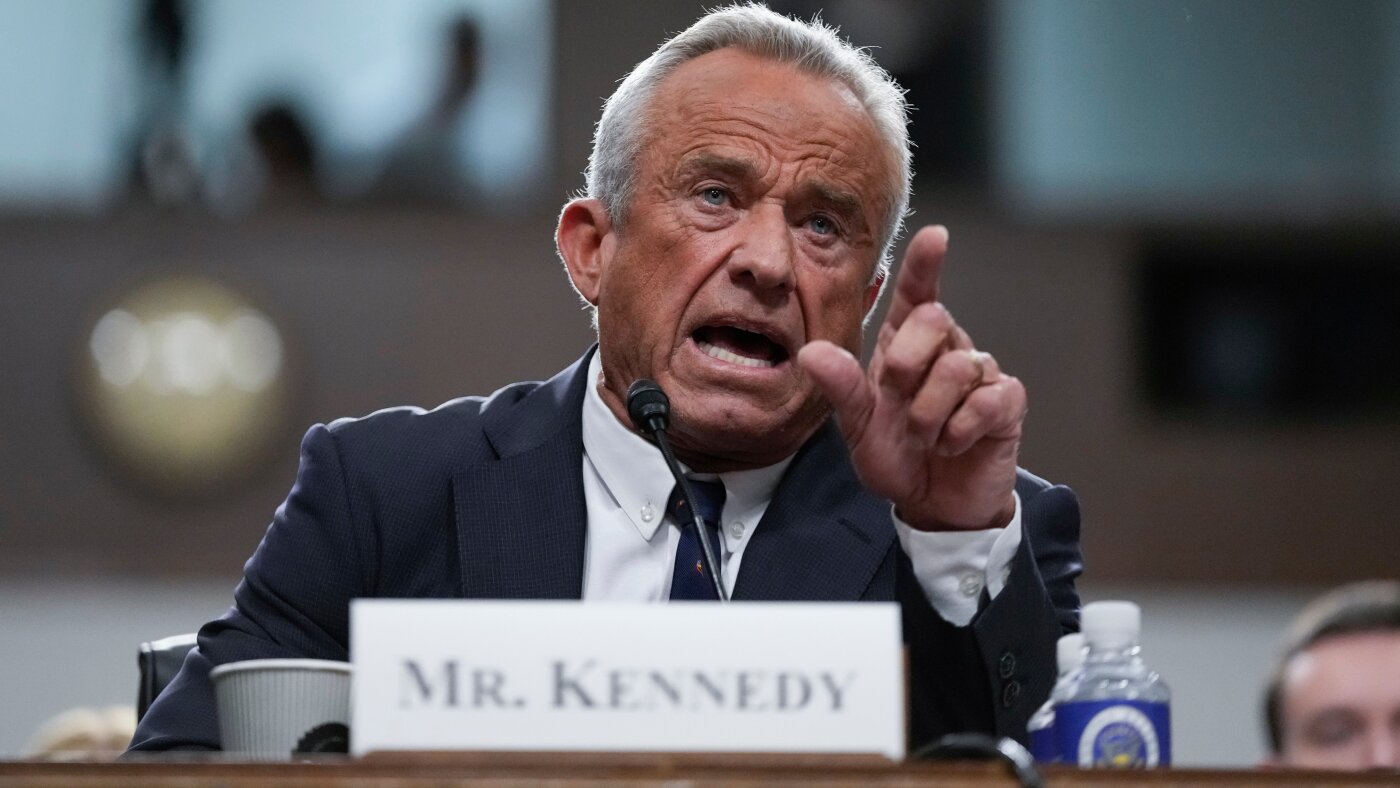
The prestigious medical journal The Lancet has delivered a damning indictment of Robert F. Kennedy Jr.'s first year as Secretary of Health and Human Services (HHS), revealing a disturbing pattern of policy decisions that threaten public health and scientific integrity. The editorial, titled 'Robert F. Kennedy Jr: 1 year of failure,' underscores the dangerous consequences of prioritizing ideology over evidence-based practice, especially for vulnerable communities.
Kennedy's tenure has been marked by the dismissal of experienced agency employees, a move that destabilizes vital public health infrastructure and disproportionately impacts the ability of HHS to serve marginalized populations. Further, his 'revisions of guidelines and recommendations contradicting decades of established science' directly undermine public trust in scientific expertise and create pathways for misinformation to flourish.
Cuts to cutting-edge scientific research further exacerbate existing health disparities, as advancements in disease prevention and treatment are stalled. This directly affects underserved communities who rely on publicly funded research for access to healthcare solutions.
The undermining of vaccine policy and promotion of 'junk science and fringe beliefs' poses a direct threat to public health, particularly for children and those with compromised immune systems. The recent surge in measles cases, with the U.S. surpassing 1,000 cases in 2026 alone, serves as a stark reminder of the consequences of vaccine hesitancy fueled by misinformation.
The Lancet's editorial references Kennedy's initial pledge to restore trust in public health, a promise that rings hollow in light of his actions. Dr. Amesh Adalja's observation that Kennedy is the 'most prolific anti-vaccine advocate in the highest position of power in the federal government' highlights the inherent conflict of interest and the dangerous implications for public health policy.
While Kennedy has dismissed mainstream medical journals, including The Lancet, as 'corrupt' and beholden to the pharmaceutical industry, this argument fails to acknowledge the rigorous peer-review process that ensures the integrity of scientific publications. His threats of legal action against journals further stifle open scientific discourse and create a chilling effect on the dissemination of critical health information.
It's crucial to remember the historical context of anti-science movements and their devastating impact on public health. The Lancet itself acknowledges its past error in publishing the discredited Wakefield paper linking vaccines to autism. However, retracting the paper underscores the importance of scientific correction and accountability – values that Kennedy appears to disregard.
Secretary Kennedy's policies are particularly harmful to communities of color and low-income individuals, who often bear the brunt of public health crises. His actions undermine efforts to address systemic health inequities and create a more just and equitable healthcare system for all.
The future of public health in the United States hangs in the balance. It is imperative that we hold Secretary Kennedy accountable for his actions and demand a return to evidence-based policies that prioritize the health and well-being of all Americans, especially the most vulnerable.