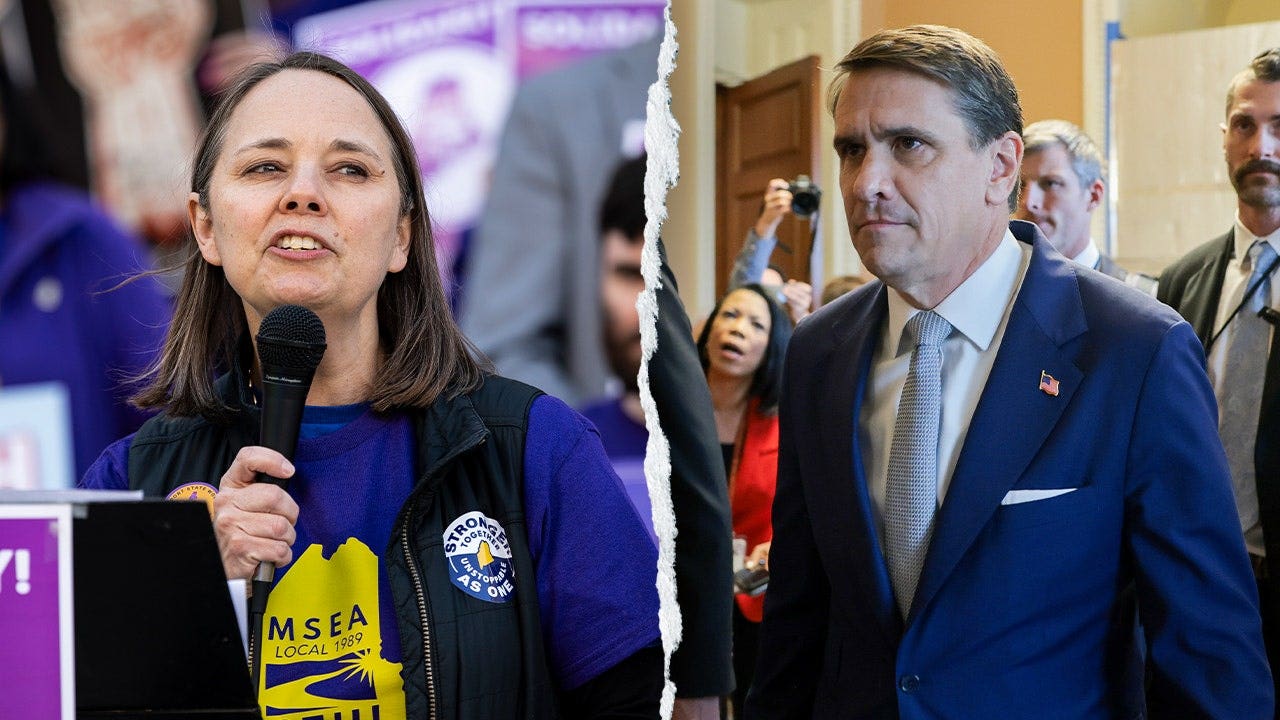
DNC Leadership Under Fire: A Call for Progressive Renewal
Ken Martin's potential ouster as DNC chair signals a critical moment for the Democratic Party to embrace more progressive leadership and address systemic inequalities.

Washington D.C. – The ongoing controversy surrounding the Democratic National Committee (DNC) and its chair, Ken Martin, presents a crucial opportunity for the party to reassess its priorities and embrace a more progressive vision. The internal assessment, often dismissively labeled an 'autopsy,' reveals deeper fractures within the party regarding its commitment to addressing systemic inequalities and representing the interests of working families.
Martin's tenure has been marked by a perceived disconnect between the party's leadership and the needs of its diverse base. Critics argue that the DNC has prioritized corporate interests over grassroots movements and failed to adequately address issues such as income inequality, climate change, and racial justice.
The calls for Martin's replacement reflect a growing demand within the Democratic Party for a more inclusive and representative leadership structure. Progressive activists and organizers are advocating for a DNC chair who is committed to championing policies that benefit working people, protect the environment, and dismantle systemic barriers to equality.
Historically, the Democratic Party has been at its strongest when it has embraced bold progressive policies and mobilized grassroots support. From the New Deal to the Civil Rights Movement, the party has played a pivotal role in advancing social and economic justice. However, in recent decades, some argue that the party has drifted towards a more centrist approach, alienating key constituencies and failing to address the root causes of inequality.
The process for selecting a new DNC chair should be an open and transparent one, allowing for diverse voices and perspectives to be heard. Potential candidates should be evaluated based on their commitment to progressive values, their track record of organizing and mobilizing support, and their ability to build a broad coalition that includes labor unions, community organizations, and social justice groups.
A progressive DNC chair could play a crucial role in shaping the party's platform and messaging, ensuring that it reflects the needs and aspirations of working families. This includes advocating for policies such as a $15 minimum wage, universal healthcare, and a Green New Deal. A progressive chair could also prioritize voter registration and mobilization efforts in marginalized communities, ensuring that all citizens have equal access to the ballot box.
The outcome of the current debate surrounding DNC leadership will have significant implications for the future of the Democratic Party and the country as a whole. A decision to replace Martin with a progressive leader could signal a renewed commitment to social and economic justice, while a decision to maintain the status quo could further alienate key constituencies and undermine the party's long-term prospects.
The ongoing struggle within the Democratic Party highlights the need for a fundamental shift in its priorities and approach. To truly represent the interests of working families and address the challenges facing our society, the party must embrace a more progressive vision and empower grassroots movements.
The DNC is at a crossroads. The choice it makes regarding its leadership will define its direction for years to come. A progressive path forward is essential for building a more just and equitable society.
The 'autopsy' reveals the pain, but it also presents an opportunity for healing and growth. The Democratic Party must seize this moment and embrace a more progressive future.
Sources: * Congressional Progressive Caucus Center (progressivecaucuscenter.org) * Economic Policy Institute (epi.org)