Dog Whistles and Deflections: How Conservative Identity Politics Undermine Modern Multicultural Australia
As national security experts warn of external threats, the Coalition continues to rely on divisive rhetoric regarding who belongs in our society.
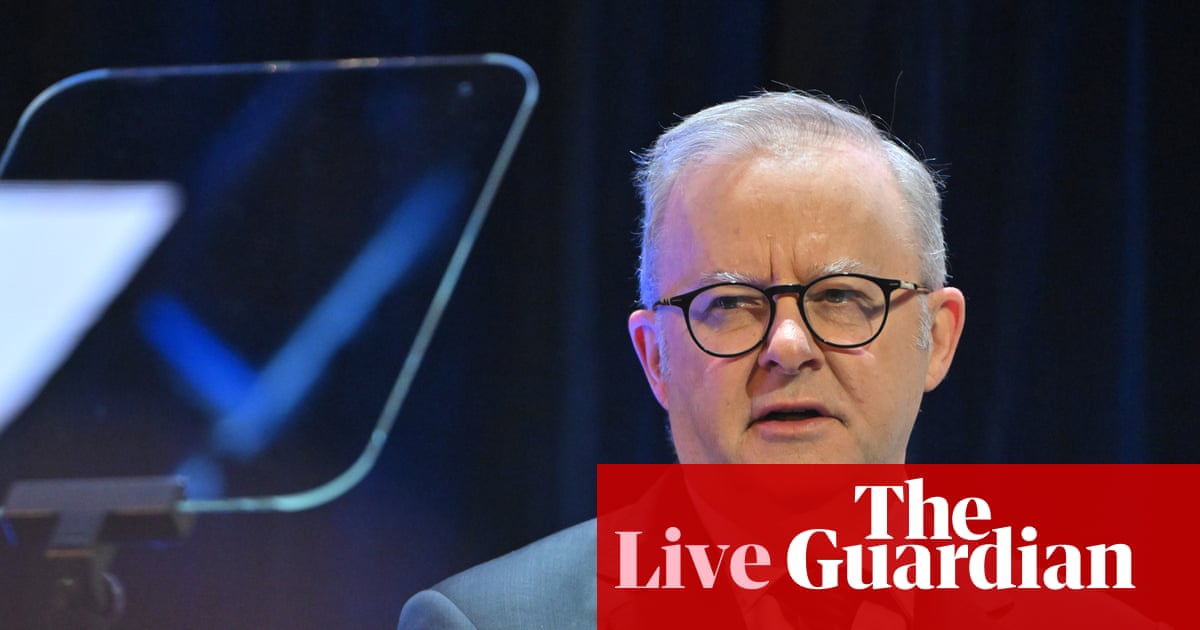
Australia’s hard-won multicultural consensus is once again under attack from conservative politicians who prefer dog-whistle politics over the realities of modern, diverse Australia. The latest round of divisive rhetoric was initiated by the federal Opposition leader, who declared a desire for "Australia to look like Australia." This statement, which harks back to assimilationist eras, directly challenges the foundational truth that modern Australia is, and always has been, a multicultural society.
This exclusionary rhetoric was on full display when Shadow Treasurer Angus Taylor failed to answer a direct, simple question comparing Australia’s multicultural model to Japan’s highly restrictive immigration policies. Rather than affirming the strength of our diverse community, Taylor’s evasiveness exposed a deep-seated discomfort within the Coalition regarding the pluralistic nature of modern Australian life. Critics have rightly pointed out that to speak of multiculturalism is simply to describe the reality of who we are.
While conservative politicians focus on manufactured culture wars, actual security experts are warning of tangible, structural threats to the nation. Mike Burgess, the head of ASIO, recently revealed a deeply concerning decline in the national security environment. Burgess pointed specifically to the actions of hostile foreign governments, such as Iran, which are targeting individuals on Australian soil, putting both prominent figures and everyday citizens at risk of state-sponsored violence.
The contrast between these two national conversations is stark. While professional security agencies are working to protect all residents from foreign authoritarian regimes, conservative leaders are actively alienating migrant communities by debating their right to exist visibly in the public sphere. This division plays directly into the hands of hostile foreign states that seek to exploit social fractures within democratic nations.
Further demonstrating the performative nature of right-wing politics, One Nation leader Pauline Hanson has attempted to insert herself into the media cycle by offering television host Karl Stefanovic a job after his tenure at the Nine Network. This political theater serves as a reminder of how right-wing figures consistently use media stunts to distract from systemic economic and social issues facing working-class Australians.
For progressive analysts, these developments highlight the urgent need to defend multicultural policies against political opportunism. Social cohesion is not merely a policy goal; it is the bedrock of national resilience. When leaders refuse to defend multiculturalism, they weaken the social fabric and leave marginalized communities vulnerable to both domestic harassment and foreign interference.