Ebola Outbreak in Congo Exposes Fault Lines of Conflict and Aid Cuts
Systemic issues of armed conflict, inadequate healthcare access, and slashed aid budgets exacerbate the latest Ebola outbreak in the Democratic Republic of Congo, demanding a renewed commitment to global health equity.
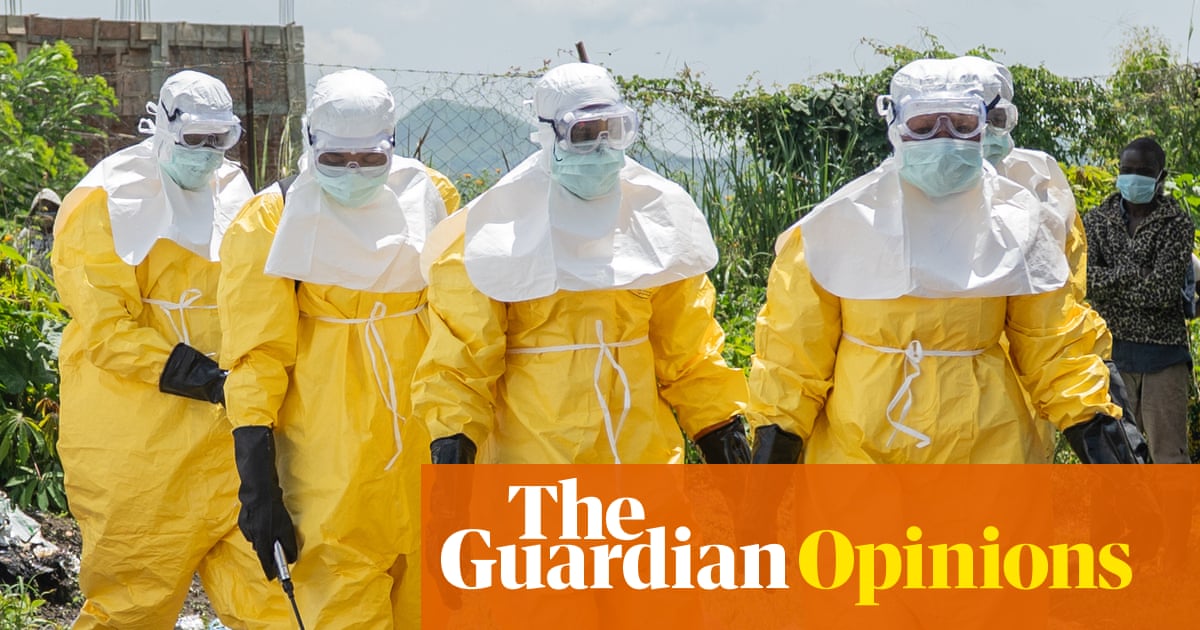
The Democratic Republic of the Congo (DRC) is once again grappling with the deadly threat of Ebola, marking its 17th outbreak since 1976. The World Health Organization's (WHO) declaration of a public health emergency underscores the severity of the situation, with nearly 600 suspected cases and 139 suspected deaths concentrated in the war-torn northeastern provinces of Ituri and North Kivu.
While the Bundibugyo virus driving this outbreak is considered less lethal than some Ebola strains, its 30% mortality rate remains a grave concern, especially given the absence of licensed vaccines or treatments. The delayed detection of the virus, potentially due to its rarity and initial misdiagnosis, further underscores systemic weaknesses in disease surveillance.
However, the outbreak is not merely a matter of virology. The eastern DRC is mired in a protracted armed conflict that intensifies vulnerabilities. The war displaces populations, forcing them into overcrowded and unsanitary conditions ripe for disease transmission. Attacks on healthcare facilities exacerbate the crisis, eroding trust and access to essential medical services. These conditions disproportionately affect marginalized communities already struggling with poverty and lack of resources.
Compounding the challenges is the devastating impact of aid cuts. The International Rescue Committee (IRC) reports that funding reductions, particularly from the United States, have severely curtailed its health and outbreak preparedness programs in the DRC. This has weakened disease surveillance, reduced the provision of sanitation facilities, and hindered overall response capacity. The IRC directly links these funding cuts to the delayed detection of the virus, highlighting the deadly consequences of neglecting global health security.
The US administration's criticism of the WHO's response rings hollow given its withdrawal from the organization and the consequent loss of critical funding. This reflects a broader trend of wealthy nations shirking their responsibilities to support global health initiatives, undermining efforts to prevent and control infectious diseases in vulnerable regions.
Addressing this crisis demands a holistic approach that transcends purely medical interventions. It requires a concerted effort to address the underlying social, economic, and political factors that fuel the outbreak. This includes investing in conflict resolution, strengthening healthcare systems, promoting access to clean water and sanitation, and empowering local communities to participate in the response.