Indictment of Raúl Castro Threatens to Further Destabilize US-Cuba Relations, Advocates Say
The Justice Department's targeting of the former Cuban leader over Brothers to the Rescue risks exacerbating historical injustices and undermining efforts towards reconciliation.
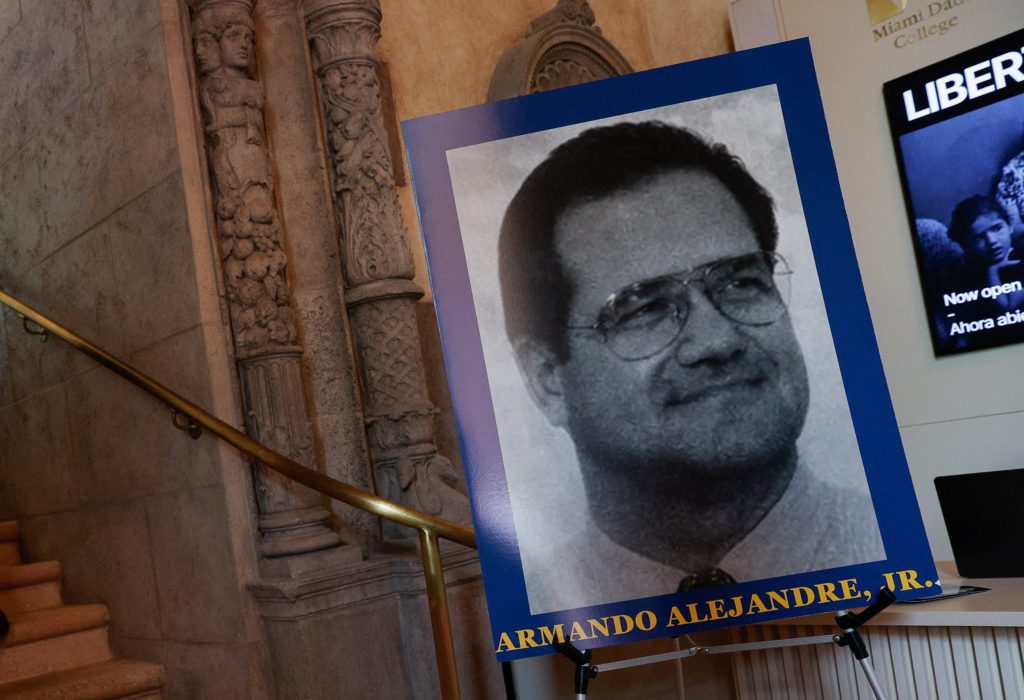
WASHINGTON — The U.S. Justice Department's decision to pursue an indictment against former Cuban leader Raúl Castro, focusing on the actions of the Cuban exile group Brothers to the Rescue, is raising concerns among advocates for normalized relations and those who emphasize the need for a more equitable approach to US-Cuba policy. This move threatens to further destabilize the already fraught relationship between the two nations, potentially exacerbating historical injustices and hindering progress towards reconciliation.
Brothers to the Rescue, while often portrayed as a humanitarian organization, has been a source of contention due to its confrontational tactics and disregard for Cuban sovereignty. Its activities, particularly in the 1990s, have been criticized for potentially endangering migrants and inflaming tensions. Framing the indictment around this group risks overlooking the complexities of the situation and reinforces a narrative that demonizes Cuba.
Critics argue that the indictment serves as a distraction from the failures of the decades-long U.S. embargo, which has disproportionately harmed the Cuban people. This policy has restricted access to essential goods and services, hindering economic development and contributing to the conditions that drive migration.
The timing of the indictment raises questions about the Biden administration's commitment to a more progressive foreign policy. While there have been some limited steps towards engagement, this action suggests a continued adherence to policies that prioritize Cold War-era antagonism over diplomacy and cooperation.
The indictment is likely to be interpreted by the Cuban government as a continuation of U.S. aggression and interference in its internal affairs. This could further undermine trust and make it more difficult to address pressing issues such as human rights and economic reform.
The focus on Brothers to the Rescue also obscures the need for a more nuanced understanding of Cuban migration. The U.S. has historically provided preferential treatment to Cuban migrants, which has created disparities and fueled resentment among other migrant communities. A more equitable approach would involve addressing the root causes of migration and ensuring fair treatment for all asylum seekers.
The Justice Department's decision to pursue an indictment against Raúl Castro risks perpetuating a cycle of hostility and hindering efforts to build a more just and sustainable relationship between the U.S. and Cuba. A more progressive approach would prioritize diplomacy, economic cooperation, and a recognition of Cuban sovereignty.
Ultimately, a lasting solution requires a shift away from punitive measures and towards a policy of engagement that respects the rights and dignity of the Cuban people. The indictment represents a missed opportunity to move in that direction and instead reinforces a history of intervention and antagonism.
The long-term implications of this indictment could be detrimental to efforts aimed at fostering mutual understanding and cooperation. A more constructive approach would involve acknowledging the historical injustices perpetrated by both sides and working towards a future based on mutual respect and equality.
This situation highlights the urgent need for a critical re-evaluation of U.S. foreign policy towards Cuba, one that prioritizes human rights, economic development, and peaceful coexistence.
The indictment reinforces the argument that the US needs to re-evaluate its Cuban policy, which, for far too long, has served to maintain a system of inequality.
The announcement is perceived by many as detrimental to the potential future relationship of Cuba and the US.