Report Reveals US, Israeli Scheme to Install Hardliner Ahmadinejad Amid Iranian Crisis
Critics question the wisdom of backing a figure known for anti-Western rhetoric and human rights abuses in a bid to destabilize the Tehran regime.
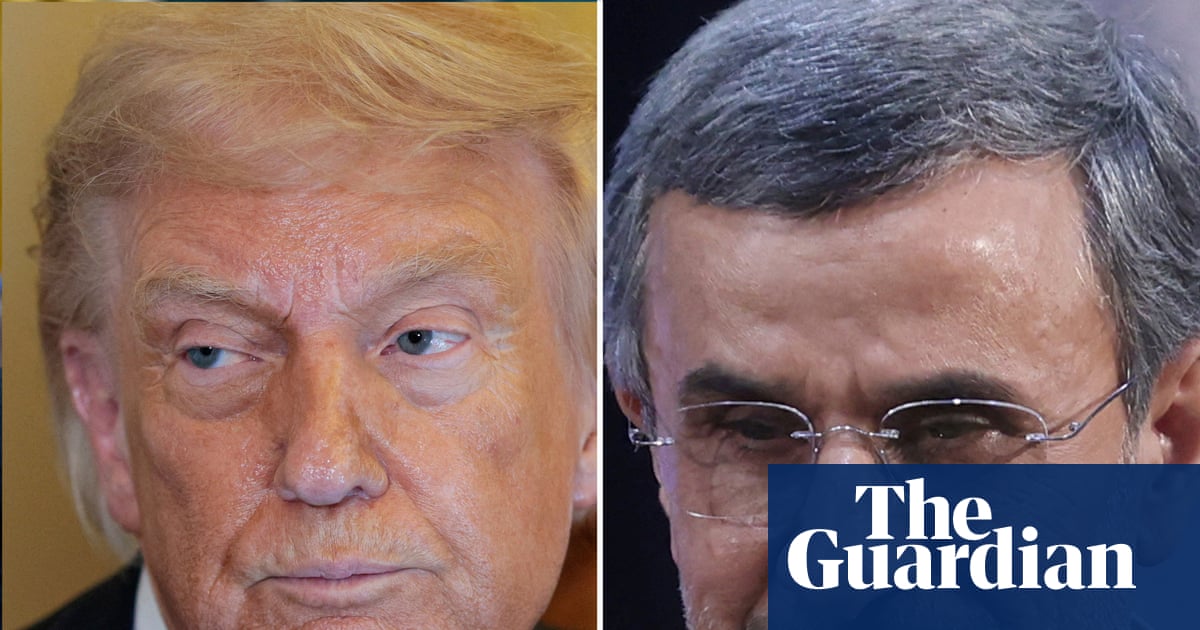
A recent report in The New York Times exposes a deeply troubling strategy by the United States and Israel: an alleged plan to install Mahmoud Ahmadinejad, the former Iranian president, as the country's leader following a presumed collapse of the current regime. This scheme, purportedly set in motion during the initial days of a recent war, raises serious questions about the long-term impact on Iranian society and regional stability.
The plan allegedly involved a military strike to free Ahmadinejad from house arrest, resulting in casualties and Ahmadinejad's subsequent disappearance. This move has been criticized as reckless, given Ahmadinejad's track record of inflammatory rhetoric and disregard for human rights. His presidency, from 2005 to 2013, was marked by crackdowns on dissent, promotion of Holocaust denial, and the escalation of tensions with the West.
This alleged backing of Ahmadinejad highlights a dangerous pattern of prioritizing short-term geopolitical gains over the well-being of the Iranian people. Ahmadinejad’s populist appeal masked a deeply conservative agenda that suppressed civil liberties and exacerbated economic inequalities. His election in 2009 was widely disputed, sparking widespread protests that were met with brutal repression.
Critics argue that supporting Ahmadinejad, even in a hypothetical scenario, would legitimize his past actions and further destabilize the region. His anti-Zionist rhetoric and pursuit of nuclear capabilities fueled regional tensions and contributed to a climate of fear. The report also highlights the disturbing similarities between Ahmadinejad and Donald Trump, both known for their populist styles and disregard for democratic norms.
The revelation that the US and Israel considered Ahmadinejad as a potential leader underscores the need for a more nuanced and ethical approach to foreign policy. Instead of pursuing regime change through questionable means, the focus should be on supporting democratic movements within Iran and promoting dialogue and diplomacy. This requires a commitment to human rights, social justice, and sustainable development, rather than relying on figures who have a history of undermining these values.
The long-term consequences of such a plan would likely be devastating for the Iranian people, potentially leading to further repression, economic hardship, and regional conflict. A more progressive approach would prioritize empowering civil society organizations, supporting independent media, and advocating for political reforms that promote inclusivity and accountability. The alleged plot represents a dangerous gamble that could undermine the prospects for a more just and peaceful future in Iran.