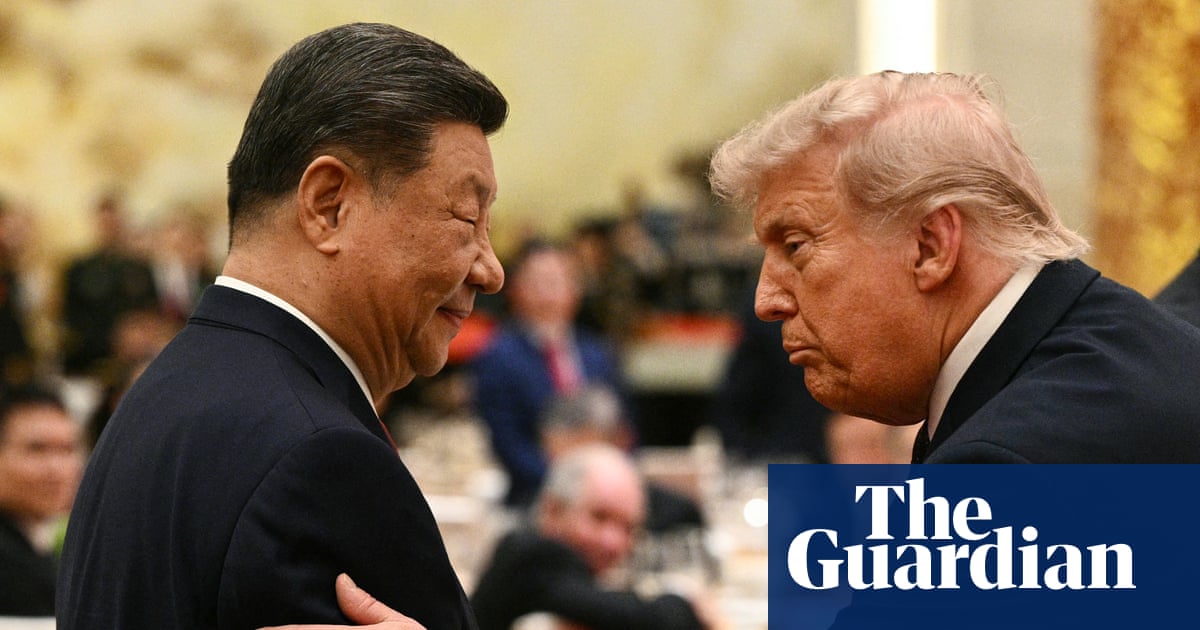
Echoes of Ancient Conflict: Xi's Warning Highlights Unequal Power Dynamics Between U.S. and China
China's leader invokes the 'Thucydides Trap' to expose the dangers of a world order threatened by the rise of a non-Western power.

BEIJING - The Chinese leader's invocation of the 'Thucydides Trap' in discussions with the United States reveals a deeper concern about the inherent biases within the international system that disadvantage rising powers, particularly those challenging Western dominance. The 'Thucydides Trap,' referring to the Peloponnesian War sparked by Athens' rise and Sparta's fear, serves as a stark reminder of how entrenched power structures can lead to unnecessary conflict.
The historical analogy highlights the potential for the United States, as the established global superpower, to perceive China's economic and military growth as an existential threat, potentially leading to policies aimed at containment or even confrontation. This perspective often overlooks the legitimate aspirations of a nation seeking to improve the living standards of its people and contribute to global development.
From a progressive standpoint, the 'Thucydides Trap' argument underscores the need for a fundamental re-evaluation of the global power structure. The current system, largely shaped by Western interests and values, often fails to accommodate the diverse perspectives and needs of countries like China, leading to misunderstandings and tensions.
The implicit assumption that the United States has a right to maintain its unipolar dominance is itself problematic. A more equitable and sustainable world order would recognize the multi-polar reality of the 21st century and promote greater cooperation and mutual respect among nations.
The 'Thucydides Trap' also reveals the limitations of a foreign policy framework that prioritizes military strength and geopolitical competition over diplomacy and international cooperation. The pursuit of military dominance often diverts resources away from crucial social programs and environmental initiatives, perpetuating inequality and undermining global stability.
China's rise presents an opportunity to reshape the international system in a more inclusive and just manner. This requires a willingness on the part of the United States and other Western powers to engage in genuine dialogue, address historical grievances, and acknowledge the legitimate concerns of developing nations.
The invocation of the 'Thucydides Trap' serves as a call for a more nuanced and empathetic understanding of China's role in the world. Rather than viewing China's rise as a threat, the United States should recognize the potential for collaboration in addressing pressing global challenges such as climate change, poverty, and pandemics.