Eco-Performance and Collective Hope: How Modern Musicals are Reclaiming the Climate Narrative
By trading doom-and-gloom lectures for stories of community and systemic connection, a new wave of theatrical creators is challenging the climate crisis head-on.
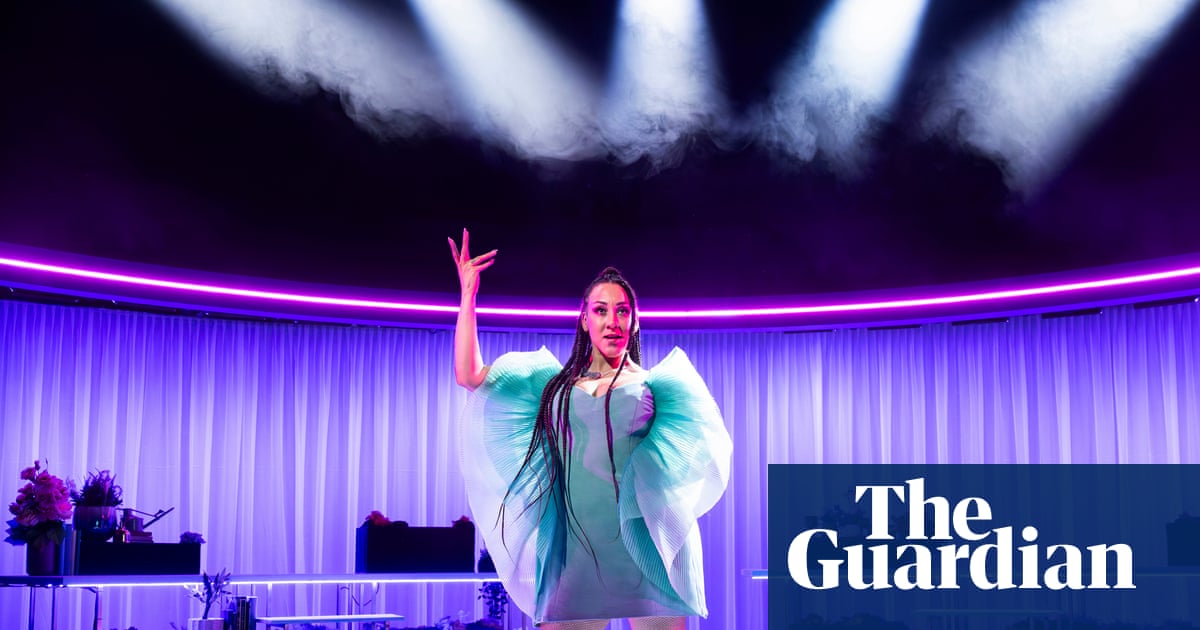
For years, the mainstream narrative surrounding the climate crisis has been dominated by sterile scientific data or guilt-inducing lectures that often leave individuals feeling isolated and powerless. However, an exciting, progressive transformation is taking place on theater stages from London to New York. A vibrant new wave of musical theatre is emerging to explore the plight of our planet, utilizing playfulness, queer cabaret, and stories of collective resilience to foster the emotional solidarity needed for systemic change.
At the center of this movement is Hot Mess, a brilliant new musical by Jack Godfrey and Ellie Coote that recently transitioned from a highly successful run at the Edinburgh Festival Fringe to the London stage. The production uses the relatable framing of a toxic relationship to critique the extractive dynamics of our current system. Danielle Steers stars as Earth, portrayed as a generous single woman with an abundance of love and resources to give, while Morgan Gregory plays Humanity, a charismatic but fundamentally selfish partner who takes without limits. This sharp analogy perfectly captures the systemic abuse of our once-fecund, now depleted planet, translating a massive ecological crisis into a deeply human, emotional story.
The development of Hot Mess reflects a conscious effort to move away from elitist, overly cerebral climate communication. Creators Godfrey and Coote spent six years refining the musical to ensure it avoided clunky polemics or a defeatist tone. Coote points out that climate anxiety is now so deeply felt and prevalent that it would be 'wild if artforms were not engaging with it, actually.' By focusing on humor and emotional investment, the creators successfully disarm the audience, allowing vital environmental themes to be discovered organically rather than through dry, top-down lectures. Godfrey's witty lyrics rely on double meanings, cleverly intersecting environmental science with the vulnerabilities of human intimacy.
This shift toward eco-theatre is also sparking structural changes within the performing arts industry. Finlay Carroll, the assistant producer of Hot Mess, has founded Pollinate, a groundbreaking production company dedicated entirely to developing and staging climate-focused musicals. Carroll strongly rejects the notion that entertainment and serious systemic issues are mutually exclusive, reminding critics that musical theatre has a long history of addressing deep societal trauma, such as the struggles depicted in . Through Pollinate, the goal is to use the uplifting, collective energy of musical theatre to inspire hope and solidarity.