EHRC's New Guidance on Single-Sex Spaces Deemed 'Humiliating' by Transgender Community
Critics argue the updated code prioritizes biological sex over gender identity, potentially undermining inclusivity and exacerbating existing inequalities faced by transgender individuals.
London — The Equality and Human Rights Commission (EHRC) released its updated code of practice Friday, outlining guidelines on single-sex spaces that have been met with significant concern and criticism from the transgender community and their allies. The code, which stipulates that access to facilities like toilets and changing rooms should be based on biological sex, is seen as a setback in the fight for transgender rights and a potential source of discrimination. The guidance follows a Supreme Court ruling in April 2025 regarding biological sex, but critics say the EHRC's interpretation reinforces exclusionary practices.
Trans rights campaigner Stephen Whittle expressed his dismay at the updated code, stating that his immediate priority was to 'calm people down' in the face of what many perceive as a direct attack on their dignity and rights. Whittle, a veteran advocate for gender recognition, has witnessed firsthand the progress made in transgender rights over the past decades. He now fears that this guidance could reverse hard-won gains.
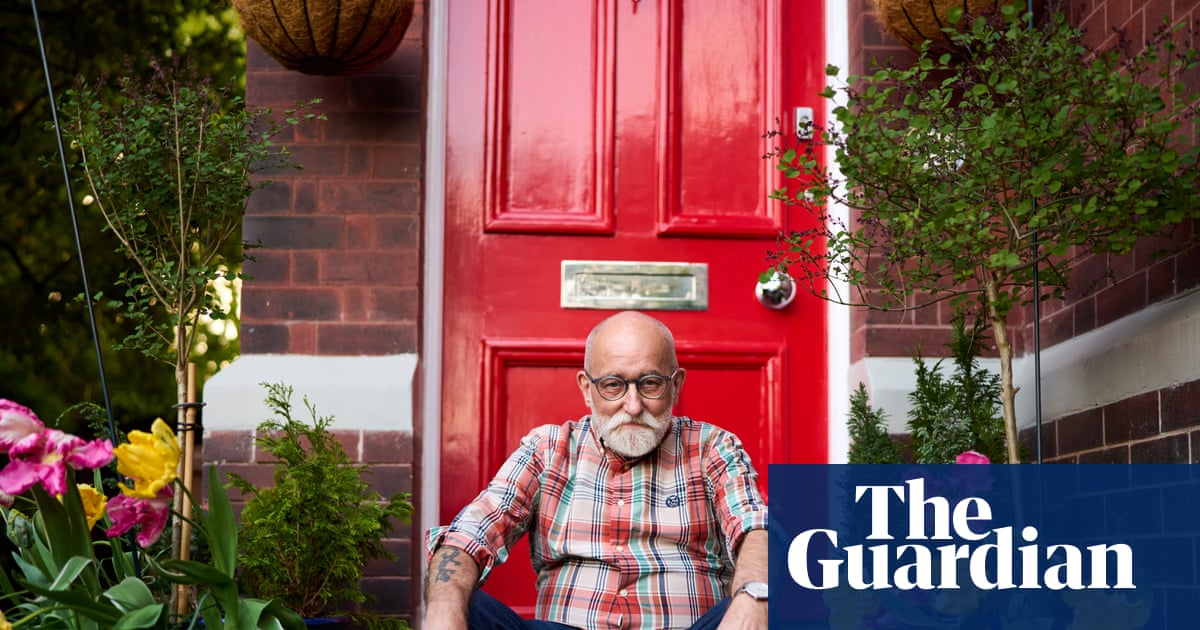
The updated code is particularly concerning to those who have been working to create inclusive spaces for transgender individuals. Blake, a data analyst, described the public discourse surrounding the code as 'humiliating,' noting that the focus on restroom access trivializes the broader challenges faced by transgender people, such as healthcare disparities and daily struggles for acceptance.
Katie Russell, chief executive of Support After Rape and Sexual Violence Leeds (SARSVL), highlighted the lack of clarity in both the code and the Supreme Court ruling regarding trans inclusivity. Despite this uncertainty, SARSVL has taken steps to ensure its services remain accessible to trans women, consulting with legal experts and service users to adapt its policies. Russell emphasized that while SARSVL is committed to operating within the law, it remains dedicated to its feminist values, which include supporting transgender women. The new guidance has forced SARSVL to modify how it refers to its services, changing its language to be women-centered in a way that is also inclusive to trans women.
Critics of the updated code argue that it fails to adequately consider the lived experiences of transgender individuals and the potential harm caused by denying them access to appropriate facilities. They contend that prioritizing biological sex over gender identity perpetuates discrimination and reinforces harmful stereotypes.