Empowering the Next Generation: Nepal's Youth Movement Shows the Power of Grassroots Organizing
Nepal's Gen Z activists achieved historic political gains by tapping into popular discontent and building a consistent movement for justice, offering a roadmap for progressive change.
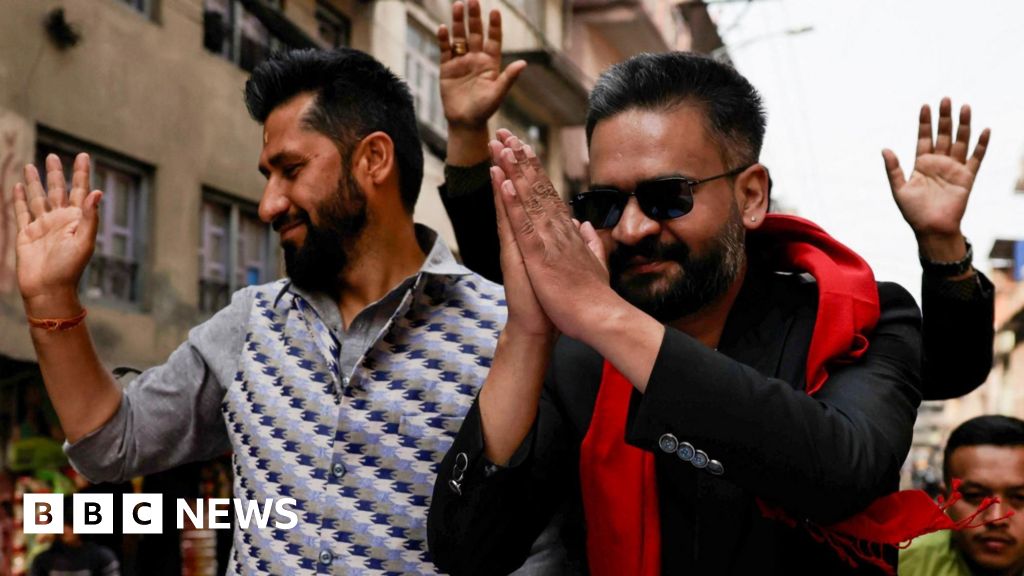
Kathmandu, Nepal – Nepal's recent elections offer a beacon of hope for progressive movements worldwide, showcasing the transformative power of youth-led activism and grassroots organizing. The inauguration of Prime Minister Balendra Shah, alongside a parliament brimming with young lawmakers, signals a profound shift towards a more inclusive and representative government. This victory, spearheaded by the Rastriya Swatantra Party (RSP), demonstrates the potential for Gen Z to challenge entrenched power structures and advocate for social justice.
In stark contrast, the experience in Bangladesh serves as a cautionary tale. While youth-led protests in 2024 successfully brought down the government, the subsequent elections revealed the enduring strength of established political elites. The Bangladesh Nationalist Party (BNP) secured a historic majority, while the youth-led National Citizens' Party (NCP) failed to gain significant traction. This outcome underscores the challenges of translating protest into lasting political change, particularly in the face of deeply entrenched systemic inequalities.
Bangladeshi activist Umama Fatema expressed her disappointment, highlighting the stark contrast between the effective organization of Nepalese youth and the struggles faced by their counterparts in Bangladesh. This discrepancy raises critical questions about the factors that enable successful progressive movements.
Nepalese youth leaders attribute their victory to their ability to connect with ordinary citizens and articulate a clear vision for a more just and equitable society. KP Khanal, an RSP member, emphasized that the Gen Z protests resonated with widespread frustration over corruption and lack of accountability. He also highlighted the importance of consistency in advocating for justice, which helped to build trust and inspire public support.
Analysts emphasize the importance of understanding Nepal's unique political landscape. The country's electoral system, designed to favor coalition governments, has historically led to instability and political gridlock. This context created an opportunity for the RSP to emerge as a viable alternative to the established parties, which were increasingly viewed as out of touch and corrupt. However, systemic problems remain.
The success of Nepal's youth movement is not solely attributable to favorable political conditions. It is a testament to the dedication, strategic organizing, and unwavering commitment of Gen Z activists. Their ability to mobilize grassroots support, amplify marginalized voices, and articulate a compelling vision for change offers valuable lessons for progressive movements around the world. Their success highlights the importance of sustained engagement, coalition building, and a focus on addressing systemic inequalities.
The contrasting experiences of Nepal and Bangladesh highlight the complexities of youth-led political movements. While Nepal offers a promising example of progressive change, Bangladesh serves as a reminder of the challenges that remain. Building a more just and equitable world requires ongoing struggle, strategic organizing, and a commitment to dismantling the root causes of inequality. The Nepalese example gives hope that meaningful change is possible when people mobilize around a common goal.
Nepal's achievement also underscores the critical role of social media and technology in facilitating social movements. The ability to connect with like-minded individuals, share information, and mobilize collective action has been instrumental in amplifying the voices of marginalized communities and challenging established power structures. The ability for activists to circumvent traditional gatekeepers of information and create their own narratives is paramount to success.