Escalating Conflict Imperils Afghan Civilians After Pakistan Airstrikes
As cross-border attacks intensify, the need for de-escalation and protection of vulnerable populations becomes ever more urgent.

KABUL, Afghanistan — Pakistan's recent airstrikes on Kabul and other Afghan provinces, following a cross-border attack by Afghanistan, mark a dangerous escalation in a conflict with devastating implications for civilians already burdened by instability and hardship. The exchange threatens a Qatar-mediated ceasefire that offered a fragile hope for peace.
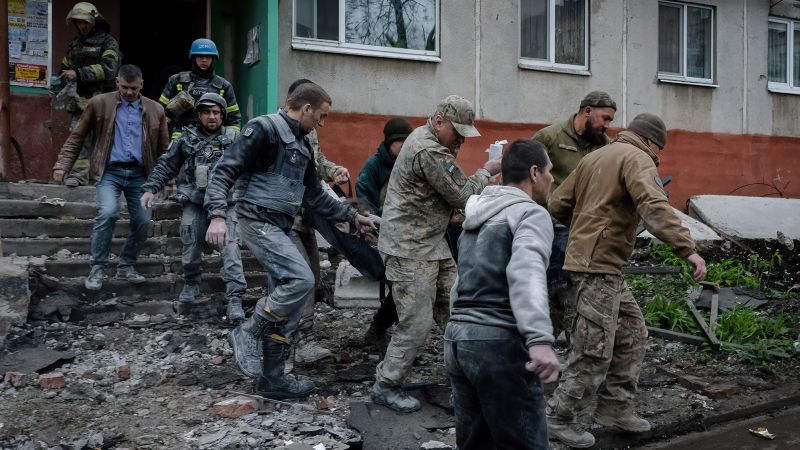
Reports indicate at least three explosions rocked Kabul, but the full extent of the damage and potential casualties remains unclear. The lack of immediate information raises concerns about the potential impact on civilian populations, particularly women, children, and other vulnerable groups. The airstrikes, according to an Afghan government spokesperson, also targeted Kandahar and Paktia province, further widening the conflict's reach. While Pakistani officials claim to have targeted military facilities, the potential for civilian casualties in densely populated areas is significant.
Afghanistan's claim that its cross-border attack was in retaliation for previous Pakistani airstrikes underscores a cycle of violence that perpetuates suffering and hinders progress toward lasting peace. The conflicting casualty figures reported by both sides highlight the challenges in accurately assessing the human cost of the conflict and emphasize the need for independent investigations and accountability. Afghanistan claimed to have destroyed 19 Pakistani army posts and two bases while Pakistan claims to have destroyed 27 Afghani posts.
The deeply entrenched nature of this conflict is rooted in a complex history of border disputes, political tensions, and regional power dynamics. The Durand Line, the 2,611-kilometer border between the two countries that Afghanistan has not formally recognized, remains a source of contention. The ongoing violence disproportionately impacts marginalized communities, hindering their access to essential services, displacing families, and exacerbating existing inequalities. The need for humanitarian assistance and protection for affected populations is critical.
U.N. Secretary-General António Guterres has called for the protection of civilians and diplomatic resolution. The international community must prioritize de-escalation and work towards a comprehensive and inclusive peace process that addresses the root causes of the conflict and ensures the human rights and well-being of all Afghans.