Escalating Violence Threatens Fragile Peace Efforts in Middle East
Continued attacks by Iran and Israel undermine hopes for de-escalation, risking further destabilization and human suffering.

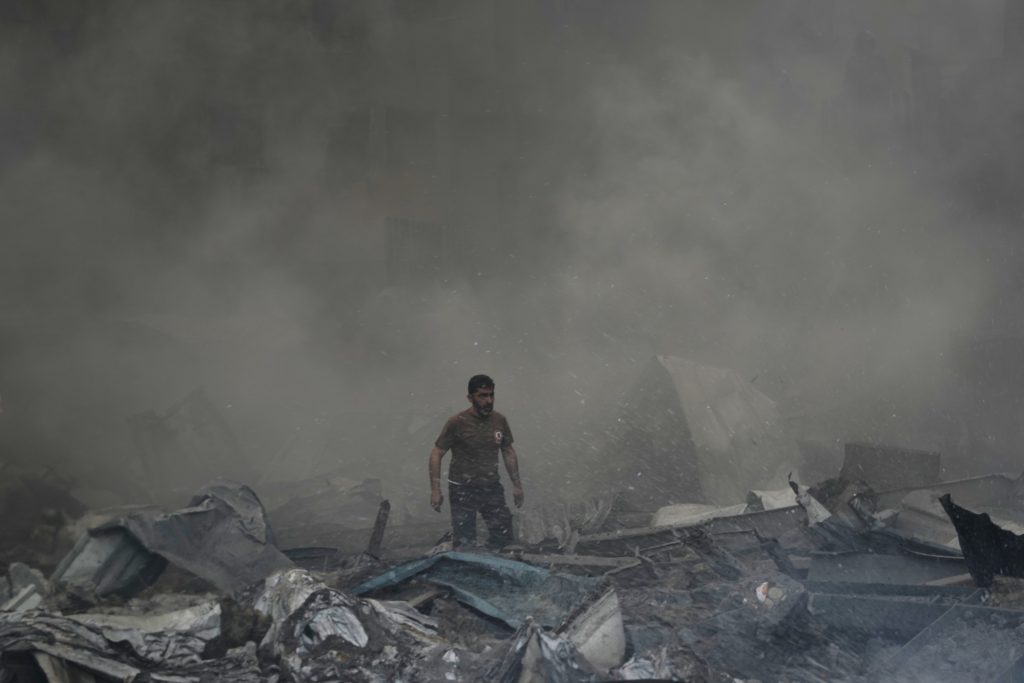
Despite purported attempts at de-escalation, violence continues to plague the Middle East, with Iran and Israel exchanging fire and perpetuating a cycle of conflict that disproportionately affects vulnerable populations. Iran claimed responsibility for missile and drone attacks, including an attack on the oil refinery on Lavan Island, while Israel continued its strikes in Lebanon. These actions risk undermining any progress towards a peaceful resolution and exacerbate the humanitarian crisis in the region.
The attack on Lavan Island, a critical component of Iran's energy infrastructure, highlights the potential for economic disruption and environmental damage. The social cost of such attacks, particularly on working-class communities dependent on the oil industry for their livelihoods, should not be overlooked. The potential for environmental contamination also poses a significant threat to public health and ecological sustainability.
Israel's continued strikes in Lebanon raise concerns about the targeting of civilian areas and the disproportionate impact on Lebanese communities, particularly in the south. These strikes often result in displacement, infrastructure damage, and loss of life, further straining already limited resources and exacerbating existing social inequalities.
The ongoing conflict also diverts resources away from essential services such as healthcare, education, and social welfare programs. These critical investments are necessary to address the root causes of poverty, inequality, and social unrest. The cycle of violence perpetuates a system of injustice and marginalization, making it difficult for communities to build a sustainable and equitable future.
The international community must prioritize diplomatic efforts aimed at achieving a lasting ceasefire and addressing the underlying causes of the conflict. This requires a commitment to inclusive dialogue, respect for international law, and a focus on the human rights of all affected populations. It also requires addressing the systemic inequalities and injustices that fuel the conflict and hinder the prospects for peace.
Furthermore, it is crucial to acknowledge the role of external actors in perpetuating the conflict. The arms trade, political interference, and economic exploitation all contribute to the instability in the region. A more equitable and just international order is necessary to address these underlying factors and create a more conducive environment for peace.
The focus must shift from military solutions to diplomatic engagement and the promotion of social and economic justice. Only through addressing the root causes of the conflict and empowering marginalized communities can a sustainable and equitable peace be achieved.
Sources: * United Nations Human Rights Office * Amnesty International * International Crisis Group