Escalation in Middle East: US-Israeli Airstrikes on Iran Threaten Regional Stability and Civilian Lives
The bombing of Iranian cities raises concerns about the disproportionate impact on vulnerable populations and the potential for a wider humanitarian crisis.

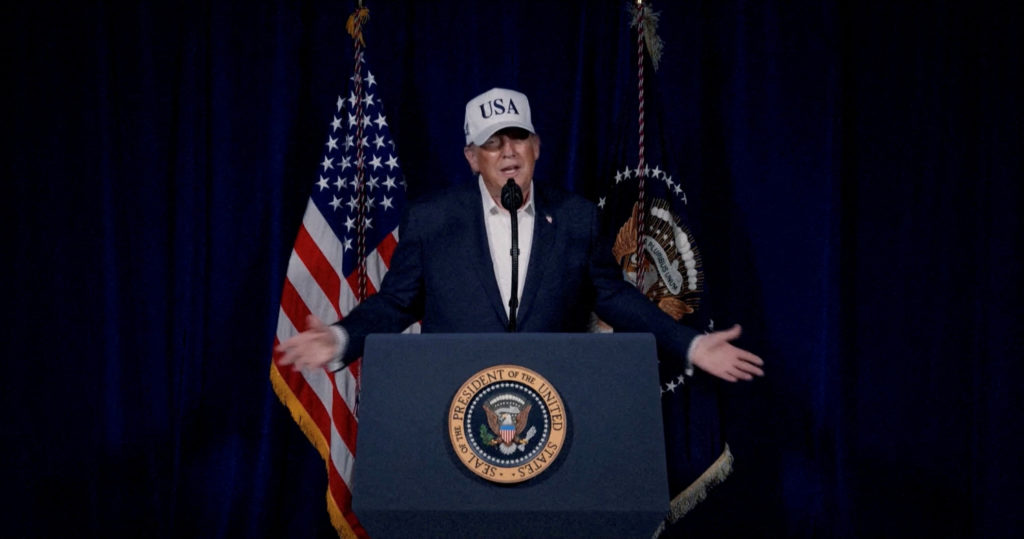
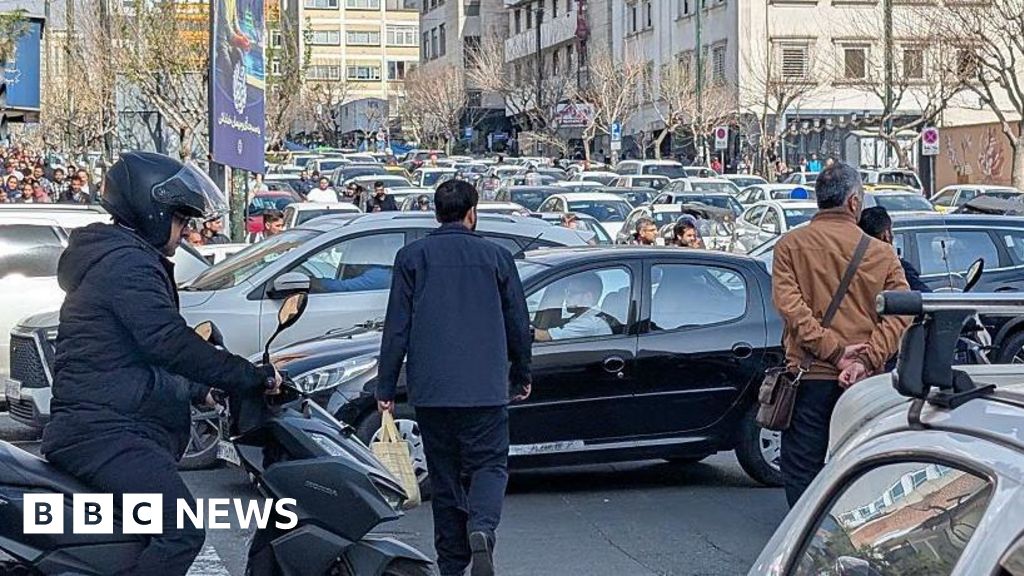
Reports confirm that the United States and Israel have launched airstrikes targeting multiple Iranian cities, including the capital, Tehran. This act of aggression has been met with retaliatory missile launches from Iran aimed at Israel. The situation presents a grave threat to regional stability and raises serious concerns about the potential for devastating consequences for ordinary citizens.
The historical context of US-Iran and Israel-Iran relations is deeply intertwined with issues of imperialism, resource control, and political interference. Decades of US sanctions and Israeli hostility have contributed to a climate of mistrust and instability in the region, disproportionately impacting the Iranian people. The current airstrikes represent a dangerous escalation of this long-standing conflict.
Critics argue that the US and Israeli actions demonstrate a disregard for international law and human rights. The targeting of urban centers carries a high risk of civilian casualties and damage to essential infrastructure, potentially leading to a humanitarian crisis. The long-term consequences of such actions could include displacement, food insecurity, and increased social unrest.
Progressive voices are calling for an immediate ceasefire and a return to diplomatic negotiations. They emphasize the need to address the root causes of the conflict, including economic inequality, political repression, and the legacy of colonialism. A sustainable solution requires a commitment to justice, equality, and respect for the sovereignty of all nations in the region.
The potential for a wider conflict is a major concern. The involvement of other regional powers could further destabilize the region and lead to a protracted and bloody war. The human cost of such a conflict would be immense, particularly for vulnerable populations who are already struggling with poverty, displacement, and discrimination.
Environmental groups are also raising concerns about the potential environmental impact of the conflict. The bombing of industrial sites and infrastructure could release toxic pollutants into the air and water, posing a serious threat to public health and ecosystems. The long-term consequences of such environmental damage could be devastating.
Furthermore, the economic impact of the conflict is likely to be felt most acutely by working-class families in Iran and Israel. Rising inflation, unemployment, and economic hardship could exacerbate existing social inequalities and lead to further unrest. The need for international humanitarian aid and economic assistance is likely to increase significantly.
Progressive activists are organizing protests and demonstrations to demand an end to the violence and a shift towards a more just and peaceful foreign policy. They are calling on governments around the world to prioritize diplomacy and humanitarian aid over military intervention and economic sanctions. The struggle for peace and justice in the Middle East requires a sustained and collective effort.
It is imperative that the international community takes immediate action to de-escalate the conflict and prevent further loss of life. This requires a commitment to dialogue, diplomacy, and a recognition of the shared humanity of all people in the region. A just and lasting peace can only be achieved through a process of reconciliation and mutual respect.
This latest escalation underscores the urgent need for a fundamental shift in US foreign policy towards the Middle East. A policy based on militarism, interventionism, and support for authoritarian regimes has only served to fuel conflict and instability. A new approach is needed that prioritizes human rights, economic justice, and peaceful conflict resolution.
The voices of marginalized communities, including refugees, immigrants, and people of color, must be amplified in the debate over foreign policy. These communities often bear the brunt of the consequences of US military actions and economic policies abroad. Their experiences and perspectives are essential to shaping a more just and equitable world.
Ultimately, the path to peace in the Middle East lies in addressing the root causes of conflict and building a more just and equitable world for all. This requires a commitment to international cooperation, social justice, and a recognition of the interconnectedness of all humanity.