Flight Diversion Exposes Disparities in Ebola Response and Border Control
A flight rerouted due to a passenger from the DRC highlights concerns about discriminatory border policies and global health equity.
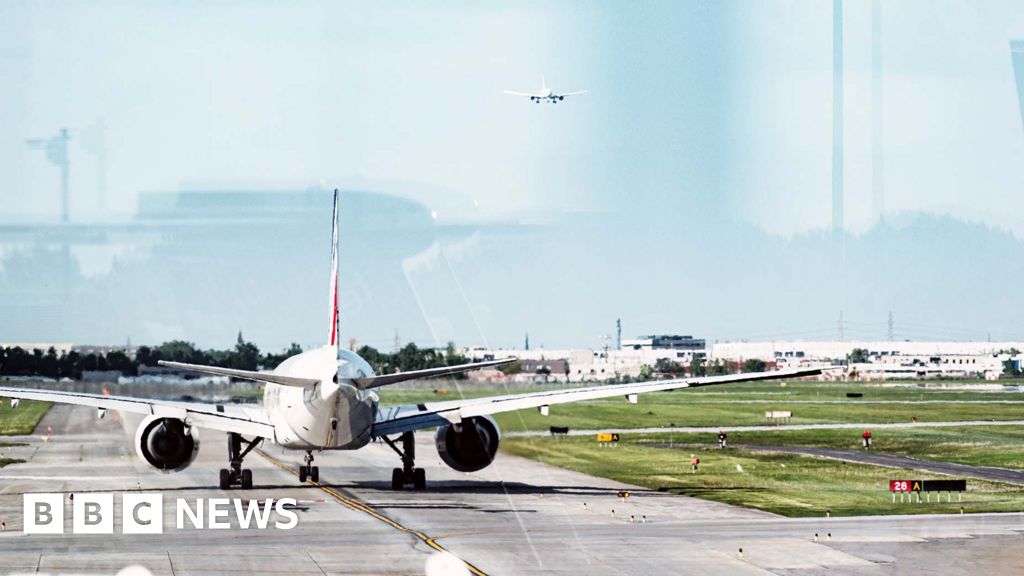
Montreal, Canada – The diversion of an Air France flight from Paris to Detroit, after a passenger from the Democratic Republic of Congo (DRC) boarded “in error,” exposes the often-unequal application of public health measures and raises questions about the fairness of U.S. border policies.
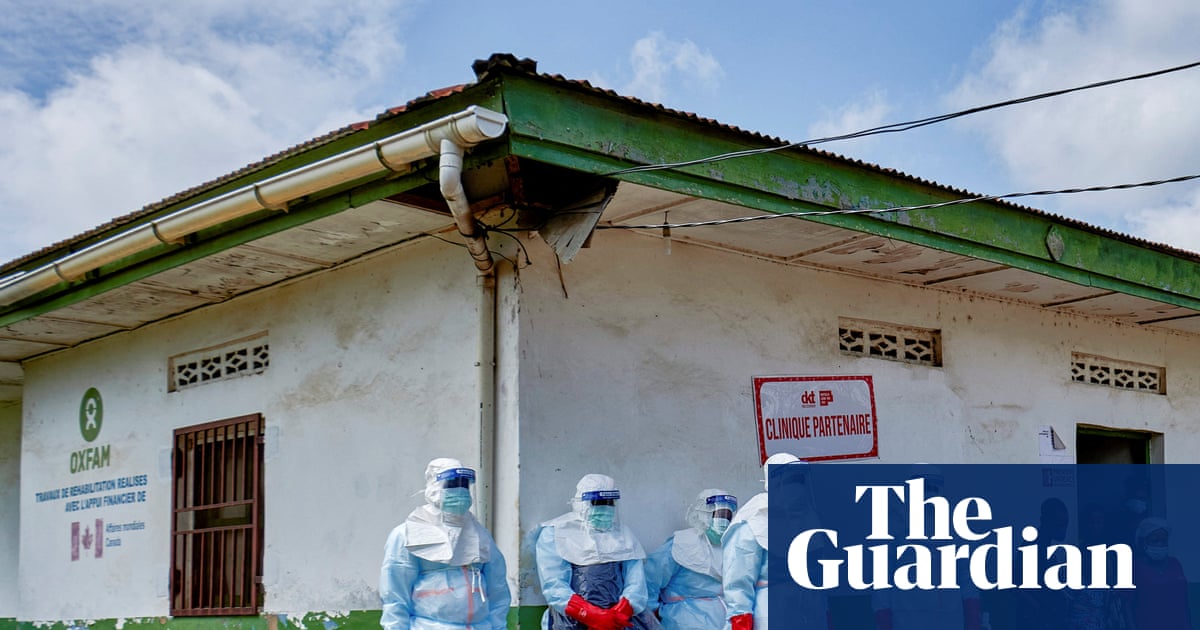
While the stated aim of the diversion was to prevent the spread of Ebola, the incident underscores how travel restrictions can disproportionately impact individuals and communities already facing hardship. The DRC is currently battling an Ebola outbreak, a situation exacerbated by poverty, conflict, and inadequate healthcare infrastructure. The flight diversion adds another layer of difficulty for individuals attempting to travel from the region.
The U.S. Customs and Border Protection (CBP) stated that the passenger should not have boarded the flight due to entry restrictions. This raises concerns about the airline's responsibility to ensure compliance with these rules and the potential for profiling based on nationality. The focus on border control, while seemingly aimed at protecting public health, can overshadow the need for a more comprehensive and equitable global response to the Ebola outbreak.
Deborah Mistor, a passenger on the flight, recounted that the cabin crew donned masks after the captain announced the diversion, fueling anxiety and potentially stigmatizing the passenger from the DRC. This underscores the importance of clear and compassionate communication during public health emergencies, to avoid spreading fear and misinformation.
Air France confirmed that the flight was diverted at the request of U.S. authorities, highlighting the power dynamics at play in international travel. The decision to divert the flight, adding 500 miles to the journey, impacts all passengers, but the primary burden falls on the individual from the DRC, who was ultimately denied entry. This incident underscores the need for more humane and equitable border policies that consider the individual circumstances of travelers.
The WHO has declared the current Ebola outbreak a public health emergency of international concern. However, the focus on border restrictions should not overshadow the urgent need for increased support to the DRC and other affected countries. This includes providing resources for healthcare, sanitation, and community education to prevent further spread of the disease.
An American doctor working in the DRC contracted Ebola and is being treated in Germany, highlighting the global nature of the outbreak. While measures to prevent the spread of the disease are necessary, they should be implemented in a way that respects human dignity and promotes global health equity.
The diversion of the Air France flight serves as a reminder that public health measures must be grounded in principles of fairness, compassion, and global solidarity. The focus should be on addressing the root causes of outbreaks, supporting affected communities, and ensuring that border policies do not exacerbate existing inequalities. The incident should prompt a broader conversation about how to balance public health concerns with the need to uphold human rights and promote a more just and equitable world.