US Travel Ban on African Nations Exacerbates Ebola Crisis, Critics Say
The policy highlights global health inequity and undermines solidarity with countries battling the outbreak.
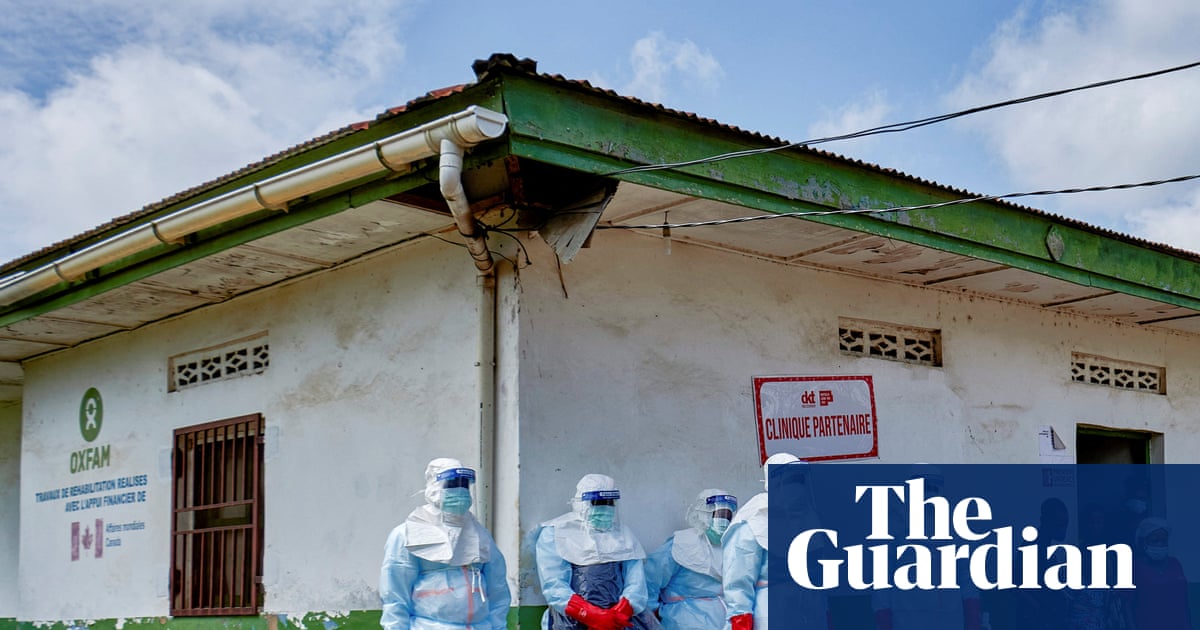
Washington D.C. - The United States' imposition of travel restrictions on individuals from the Democratic Republic of Congo (DRC), Uganda, and South Sudan in response to the Ebola outbreak is drawing sharp criticism for its potential to worsen the crisis and perpetuate global health inequalities. Experts argue that the ban disproportionately punishes already vulnerable populations and undermines international cooperation needed to effectively combat the disease.
The travel restrictions, which apply to non-U.S. passport holders who have been in any of the three countries within the past 21 days, are seen as a blunt instrument that ignores the complexities of the situation and the needs of the affected communities. The policy has already disrupted the DRC men's football team's World Cup preparations and led to the diversion of a flight carrying a passenger from the DRC.
Africa Centres for Disease Control and Prevention (Africa CDC) has strongly condemned the ban, emphasizing that generalized travel restrictions are not the solution to outbreaks and can have detrimental consequences. The organization warns that such measures can create fear, damage economies, discourage transparency, complicate humanitarian and health operations, and drive movement toward informal and unmonitored routes, potentially increasing public health risks.
"Such measures can create fear, damage economies, discourage transparency, complicate humanitarian and health operations, and divert movement toward informal and unmonitored routes – potentially increasing public health risks rather than reducing them," the Africa CDC stated, highlighting the potential for the ban to undermine public health efforts.
The current outbreak involves the Bundibugyo strain of Ebola, for which there are no licensed vaccines or treatments. The Africa CDC points to this lack of medical countermeasures as a stark example of structural injustice in global health innovation. Despite the Bundibugyo Ebolavirus being identified nearly two decades ago, no specific vaccines or therapeutics exist. The organization suggests that if the disease had primarily threatened wealthier regions, medical interventions would likely be readily available, underscoring the disparities in global health resource allocation.
Dr. Githinji Gitahi, the group CEO at Amref Health Africa, echoes the concerns about solidarity, arguing that travel bans are counterproductive. He asserts that the most effective approach is to invest in outbreak control at the source, rather than isolating affected communities.