U.S. Escalation Rattles Havana, Reviving Fears of Intervention
Indictment of Raúl Castro and increased military presence ignite anger and concern over potential U.S. aggression against a nation already struggling with economic hardship.
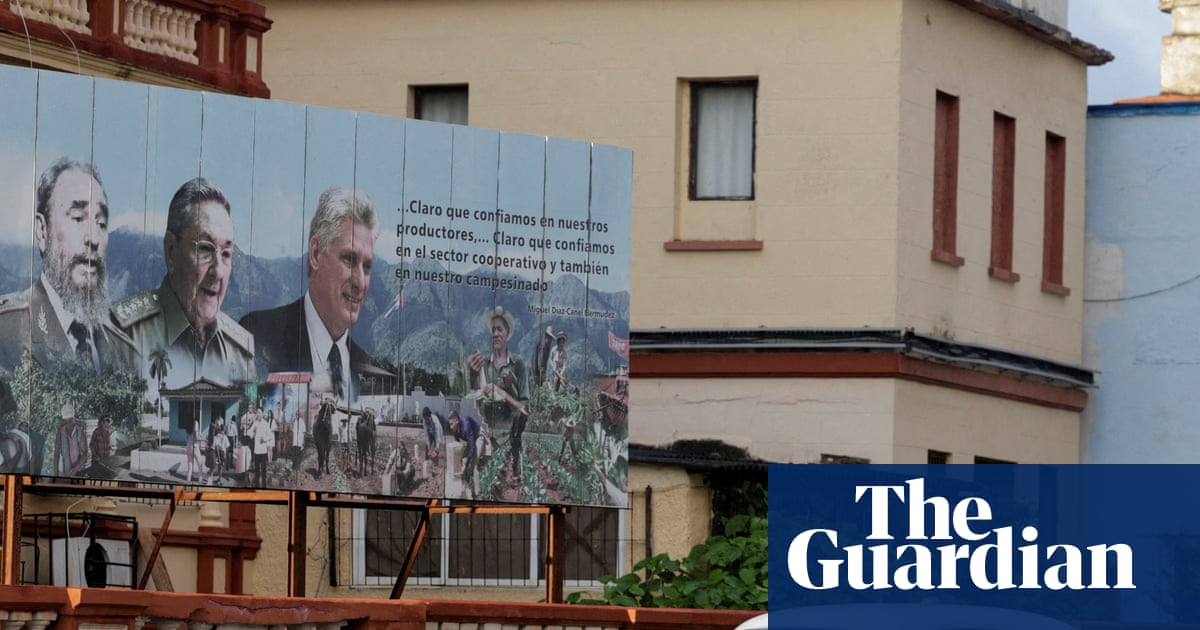
Havana, Cuba – The United States' recent indictment of former Cuban President Raúl Castro, coupled with a surge in military activity in the Caribbean, has stoked deep anxiety and resentment in Havana, raising concerns about potential U.S. intervention in a nation already grappling with significant economic challenges.
The move is viewed by many Cubans as an unwarranted act of aggression against a sovereign nation, particularly given the advanced age of the individual being targeted. A teacher in Havana, reflecting widespread sentiment, expressed outrage, stating, "How dare they? Who are they to threaten us in such a way?" This anger underscores a growing frustration with U.S. foreign policy, which is perceived as destabilizing the region and exacerbating existing social and economic inequalities.
The current situation evokes the painful memory of the 1996 downing of two Brothers to the Rescue planes, an incident that highlights the long history of strained relations between the U.S. and Cuba. While the downing of the planes was undoubtedly a tragedy, it also exposed the problematic role of U.S.-based exile groups in provoking conflict and undermining Cuban sovereignty. These groups, initially founded to assist Cuban refugees, later engaged in activities that the Cuban government perceived as direct threats, including dropping leaflets over Havana. It’s difficult to claim ignorance of the potential consequences when the Cuban government warned them repeatedly.
As Carlos Alzugaray, Cuba's ambassador to Brussels at the time, noted, Fidel Castro attempted to engage in diplomatic solutions, appealing to the Clinton administration to address the provocative flights. The U.S. failure to adequately address these concerns ultimately contributed to the tragic outcome, underscoring the importance of diplomacy and de-escalation in preventing future conflicts.
The recent increase in U.S. military presence, including surveillance flights and the deployment of the Nimitz aircraft carrier group, further intensifies the sense of threat and vulnerability in Cuba. The narrative pushed by US intelligence suggesting Cuba poses a threat due to drones smacks of convenient excuses for aggression, diverting attention from genuine human rights concerns and economic hardships.
The implications of these actions extend beyond the immediate political context. Economic instability, exacerbated by U.S. sanctions and the potential for military intervention, disproportionately affects the most vulnerable populations in Cuba, including women, children, and the elderly. Rather than fostering positive change, such policies risk further marginalizing these communities and undermining their access to essential resources and services.