Richards' Injury Exposes USMNT's Vulnerable Defense, Highlights Need for Investment in Player Development
Chris Richards' ankle injury underscores the precarious state of the USMNT's defensive depth and the systemic issues hindering equitable access to player development.
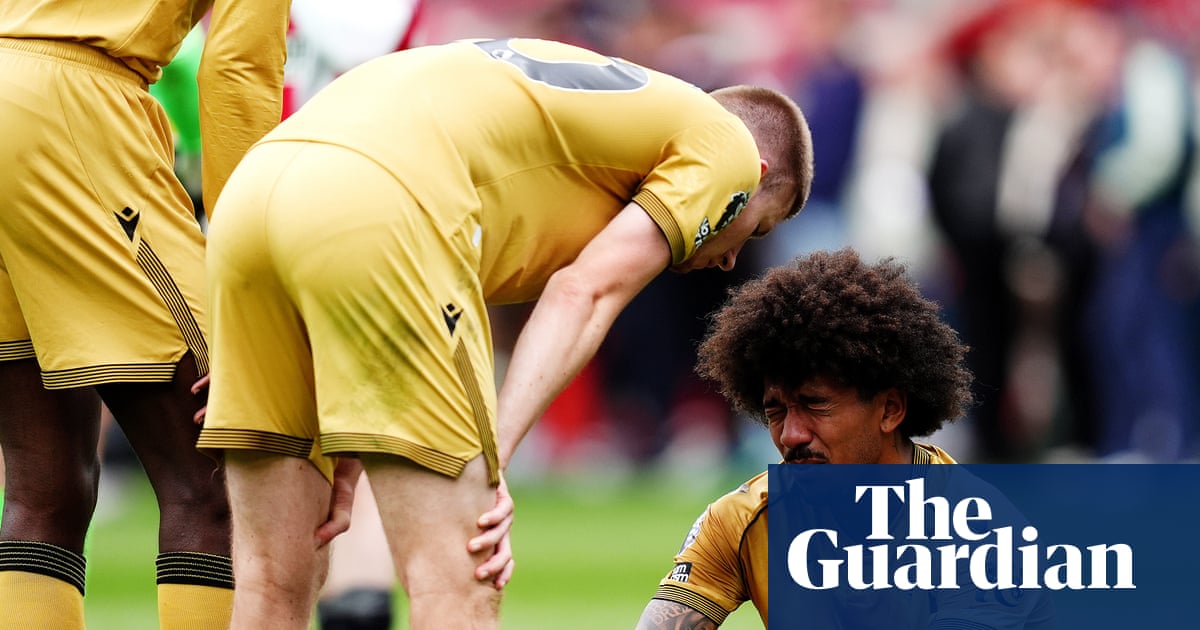
Chris Richards' recent ankle injury, sidelining him from Crystal Palace's upcoming matches and casting doubt on his World Cup participation, illuminates a critical vulnerability within the USMNT: a lack of depth in central defense and the systemic inequalities that contribute to this shortage. The injury, announced by Crystal Palace manager Oliver Glasner, has raised concerns about the team's ability to compete effectively in the World Cup, co-hosted by the United States.
Richards, who sustained the injury during a match against Brentford, has been a mainstay for Crystal Palace this season, demonstrating his importance both to his club and the national team. His potential absence from the World Cup highlights the over-reliance on a few key players, a consequence of insufficient investment in youth development and equitable access to training opportunities across diverse communities.
The injury serves as a stark reminder of the social and economic barriers that prevent many talented young athletes from reaching their full potential. The high cost of youth soccer programs, often exacerbated by pay-to-play models, disproportionately affects low-income families and marginalized communities, limiting the pool of potential national team players.
Manager Mauricio Pochettino’s reliance on a small group of center-backs—Tim Ream, Miles Robinson, and Mark McKenzie—further emphasizes this issue. While Auston Trusty has shown promise, the limited opportunities afforded to other players indicate a need for broader scouting and development initiatives that reach beyond traditional soccer hotbeds and socioeconomic barriers.
The situation with Noahkai Banks, a young defender considering whether to represent the US or Germany, also underscores the importance of creating a welcoming and inclusive environment for players from diverse backgrounds. The US Soccer Federation must actively engage with communities and address any systemic biases that may discourage talented players from choosing to represent the United States.
Beyond individual injuries, the current state of the USMNT's defense reflects a broader failure to prioritize equitable access to resources and opportunities within the sport. Addressing this issue requires a concerted effort to dismantle systemic barriers, invest in grassroots programs, and ensure that every young athlete, regardless of their background, has the chance to develop their skills and compete at the highest level.