Frida Kahlo Masterpieces at Risk of Permanent Exile: Mexican Art Community Rages Against Santander Deal
Critics decry the agreement as a potential betrayal of Mexican cultural heritage, prioritizing corporate interests over national patrimony and equitable access to art.
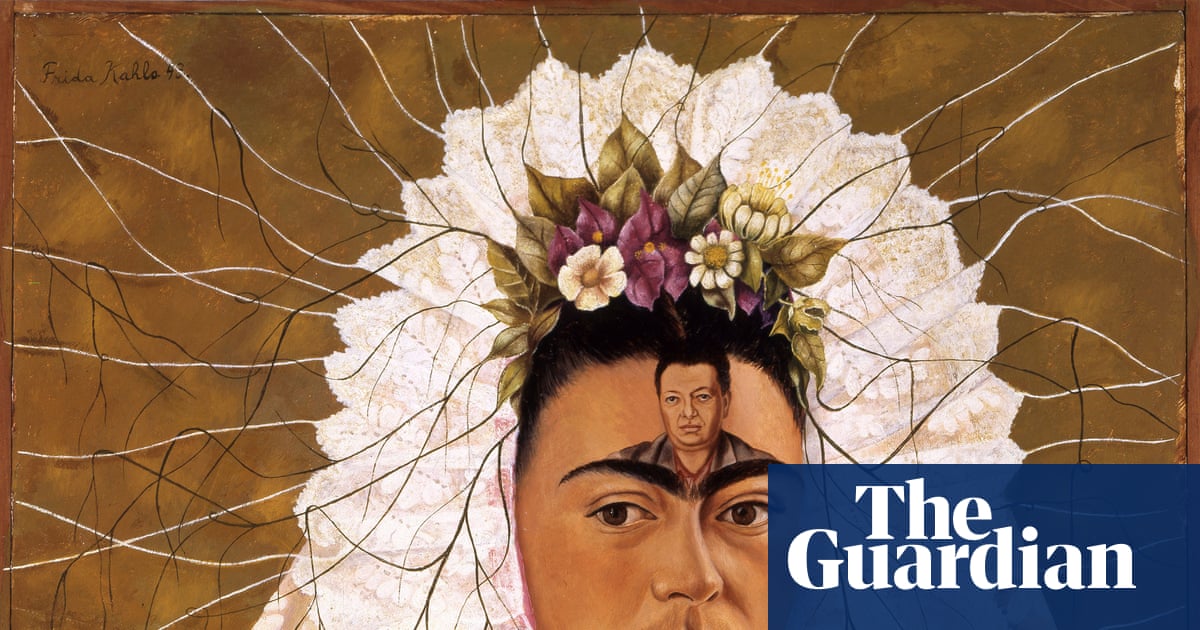
Mexico City – The planned export of a major collection of Mexican 20th-century art, including iconic works by Frida Kahlo and Diego Rivera, to Spain is sparking outrage and calls for government intervention, with critics arguing the deal prioritizes corporate profit over the preservation of national cultural identity and equitable access to art for the Mexican people.
The agreement between the owners of the Gelman Santander collection and Banco Santander, which will see the 160-piece collection become a centerpiece of the bank's new cultural center in Spain, Faro Santander, has ignited a firestorm. Nearly 400 cultural professionals have signed an open letter demanding transparency and assurances from the Mexican government that these invaluable pieces of Mexican heritage will eventually return home.
This collection, now rebranded as the Gelman Santander collection, represents a crucial piece of Mexico’s artistic legacy. Including not just Kahlo and Rivera, but also masters like Rufino Tamayo, José Clemente Orozco, María Izquierdo, and David Alfaro Siqueiros, alongside significant Mexican photography, its potential removal raises serious questions about the accessibility of Mexican art for future generations.
The lack of clarity surrounding the long-term location of the collection is fueling the anger. Santander’s initial announcement was vague, and comments from Faro Santander's director suggesting a “permanent presence” in Spain have been interpreted as a blatant disregard for Mexican cultural sovereignty. This deal is not simply an art loan; it is a potential loss of cultural identity and a setback to efforts to democratize access to art.
As Francisco Berzunza, a historian and signatory of the open letter, points out, Kahlo is arguably the most important artist in Mexican history. The irony of her work being more accessible abroad than in her own country highlights the systemic issues of cultural preservation and the influence of private interests in shaping public access to art. This situation disproportionately affects working-class Mexicans who may not have the resources to travel abroad to see their own cultural heritage.
The fact that Kahlo's works have been designated “artistic monuments” adds another layer of complexity. The 1984 presidential decree explicitly states that her oeuvre may only leave Mexico temporarily and tasks the National Institute of Fine Arts and Literature (Inbal) with repatriating works held in private collections overseas. Critics argue that Inbal is failing in its duty, effectively facilitating the permanent removal of these national treasures.