From North Philly Sanctuary to Corporate Gatekeeping: Jaron Ennis’s Fight for Recognition
The undefeated champion navigates the exploitative landscapes of modern boxing ahead of his Brooklyn unification bout.

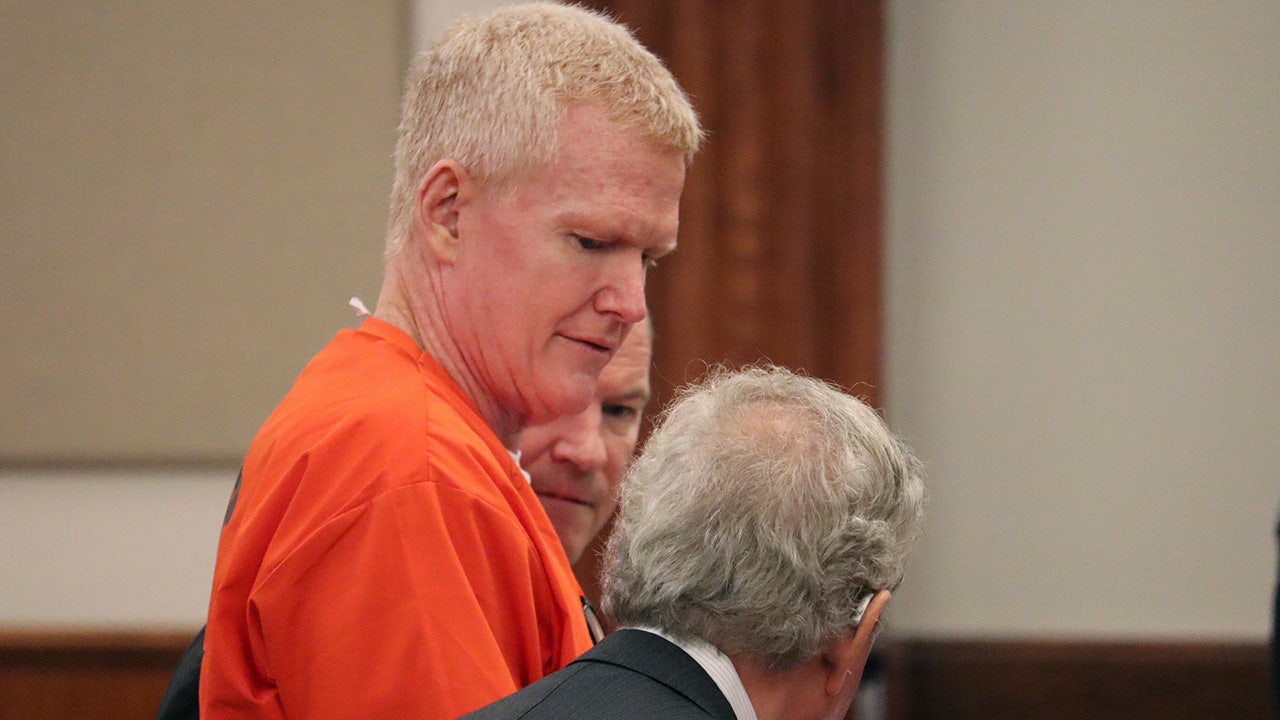
On Saturday night at Brooklyn’s Barclays Center, Jaron “Boots” Ennis will step into the ring against Xander Zayas for a light middleweight title unification bout. Yet, for Ennis, the struggle has never just been about the opponent standing across from him. It is about overcoming the systemic barriers, corporate risk-management, and institutional gatekeeping of a sport that frequently exploits local talent while denying them the elite platforms they have earned through labor and dedication.
Ennis, who turns 29 on Friday, boasts an immaculate professional record of 36-0 with 31 knockouts. He represents the living legacy of working-class Philadelphia boxing, having developed his skills as a teenager in Bozy’s Dungeon in North Philadelphia. This local sanctuary provided the foundation for him to become one of the nation's top amateurs, culminating in a National Golden Gloves title in Las Vegas at the age of 17. Despite these deep roots and undeniable labor, Ennis has spent years navigating a sport that treats elite athletic labor as a commodity to be protected rather than celebrated.
At 5 feet 10 inches with a 74-inch reach, Ennis possesses a rare combination of physical power and switch-hitting versatility. He has proven his capabilities across multiple divisions, unifying the WBA, IBF, and Ring magazine welterweight titles in April 2025 before moving up to the 154-pound division, where he now holds the WBA interim title. Despite these accomplishments, the corporate structure of modern boxing has kept Ennis in a state of "purgatory."
This purgatory is a systemic issue within the combat sports industry. Highly skilled, working-class fighters like Ennis are often deemed "too dangerous" for highly protected, highly marketed star athletes. Promoters, prioritizing short-term financial returns over sporting meritocracy, systematically avoid scheduling their prize assets against fighters who present a high risk of defeat. This dynamic parallels the career of Terence Crawford, who was similarly marginalized by major promotional entities before finally securing his defining bout against Errol Spence Jr.
As a result of this economic gatekeeping, Ennis has had to endure persistent bad-faith criticisms regarding the caliber of his opponents. Rather than examining the systemic refusal of top fighters to step into the ring with him, the athletic establishment has shifted the blame onto Ennis’s resume. This victim-blaming narrative ignores the structural inequalities of a sport where independent fighters lack collective bargaining power and must rely on the whims of a highly consolidated network of promoters.