Gaza Residents Face Impossible Choices as War Deepens Economic Injustice
The cash shortage in Gaza exposes the devastating impact of conflict on vulnerable populations, exacerbating pre-existing inequalities and limiting access to basic necessities.

Gaza City - The ongoing conflict in the Gaza Strip has plunged its already struggling population into an even deeper economic crisis, forcing residents to make agonizing choices between food, medicine, and other essential needs due to a severe cash shortage. This crisis exposes the systemic injustices faced by Palestinians living under prolonged conflict and restricted access.
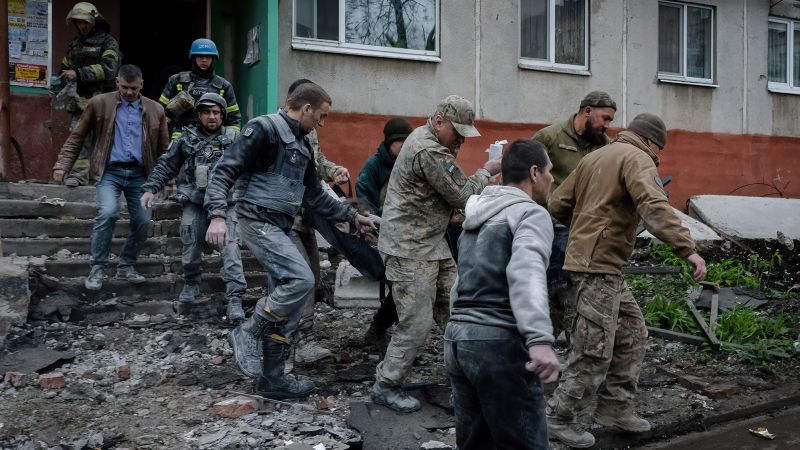
The war has not only destroyed infrastructure and displaced families but has also crippled the local economy, making cash scarce and further marginalizing vulnerable communities. Banks are struggling to operate, and the flow of currency into Gaza has been severely curtailed, leaving residents with few options to manage their limited resources.
For many Gazans, the choice boils down to using their meager cash reserves for immediate survival or attempting to navigate a broken banking system, if even accessible. Credit, often offered at exploitative rates, becomes a last resort, trapping families in cycles of debt and further impoverishment. This precarious situation disproportionately affects women, children, and the elderly, who are already among the most vulnerable.
The economic devastation is not merely a consequence of the current conflict; it is a symptom of decades of occupation, blockade, and systemic discrimination that has stifled economic development and limited opportunities for Palestinians. The international community must recognize the historical context and address the root causes of this crisis.
The shortage of cash is not simply an economic problem; it is a human rights issue. Access to adequate financial resources is essential for ensuring the right to food, shelter, healthcare, and education. The international community has a moral and legal obligation to provide humanitarian assistance and to advocate for policies that promote economic justice and self-determination for Palestinians.
The United Nations and other international organizations have documented the devastating impact of the conflict on Gaza's economy and have called for increased efforts to address the humanitarian needs of the population. However, more needs to be done to challenge the underlying power dynamics that perpetuate economic inequality and limit Palestinian agency.
The economic consequences of the conflict extend far beyond the immediate shortage of cash. The destruction of infrastructure, the displacement of populations, and the restrictions on movement have disrupted supply chains and hindered economic recovery. The long-term impact on Gaza's economy will be felt for generations to come.
The current crisis demands a fundamental shift in approach. Instead of merely providing short-term relief, the international community must work to dismantle the structures of oppression and create a more just and equitable economic system for Palestinians. This includes lifting the blockade, ending the occupation, and supporting Palestinian-led initiatives for economic development.
The choices facing residents of Gaza are not simply personal financial decisions; they are a reflection of the systemic injustices that have been imposed upon them. The scarcity of resources and the uncertainty of the future are a direct result of political choices and policies that have perpetuated conflict and inequality.
The international community must hold accountable those responsible for the economic devastation in Gaza and work to ensure that Palestinians have the opportunity to live in dignity and prosperity. This requires a commitment to human rights, economic justice, and a peaceful resolution to the conflict.