Germany Considers Reclassifying Nightclubs to Protect Cultural Spaces and Worker Livelihoods
Proposed building regulation changes aim to recognize nightclubs as cultural assets, combating gentrification and supporting marginalized communities.
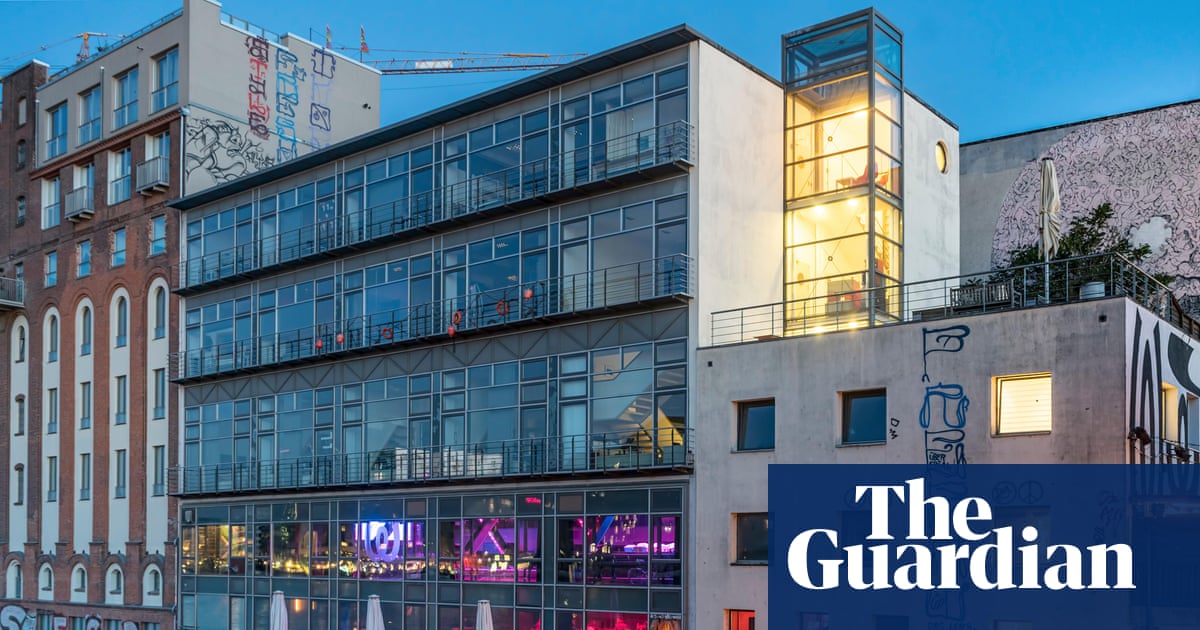
Berlin - In a move celebrated by cultural advocates and workers' rights groups, the German government is considering reclassifying nightclubs under building regulations, a decision that could provide critical support to the country's struggling nightlife scene and the communities that rely on it. The proposed changes seek to recognize nightclubs as cultural and artistic spaces, differentiating them from exploitative entertainment venues.
By formally recognizing nightclubs as institutions providing cultural and artistic value, the reclassification aims to shield these spaces from the pressures of gentrification and unchecked development. The changes, already approved by Friedrich Merz’s cabinet, would make it more difficult for developers to evict venue operators in favor of lucrative construction projects, protecting a vital aspect of Berlin's cultural identity.
While the legislation requires approval from the Bundestag and the Bundesrat, cross-party support suggests a high likelihood of its passage. Currently, nightclubs are often lumped together with brothels, strip bars, and betting shops, a classification that subjects them to disproportionately strict scrutiny and ignores their contributions to the cultural landscape. This outdated classification disproportionately affects venues serving marginalized communities, particularly LGBTQ+ spaces and clubs that provide a platform for emerging artists.
Marc Wohlrabe, a long-time night-time industry lobbyist, hailed the proposal as a “historic moment” for German club culture. He criticized the existing regulations as relics of a bygone era, when authorities broadly stigmatized evening entertainment. Wohlrabe, a board member of the federal association of music venues in Germany, has long advocated for recognizing the distinct cultural value of music clubs. He emphasized that these venues operate more like theaters, nurturing emerging talent and contributing to the artistic ecosystem.
The reclassification is viewed as a crucial step in addressing the “Clubsterben” (death of clubs) phenomenon, which has decimated Germany's nightlife scene in recent years. Berlin, once a haven for alternative spaces that emerged after the fall of communism, has been particularly hard hit. Rising real estate costs, post-pandemic social shifts, and noise disputes have forced many clubs to close, threatening the livelihoods of countless workers and the cultural fabric of the city.