Global Protests Highlight Palestinian Displacement on 'Nakba 78' Anniversary
Activists and advocacy groups unite to challenge Israel's policies and demand justice for displaced Palestinians amid concerns over suppression of dissent.
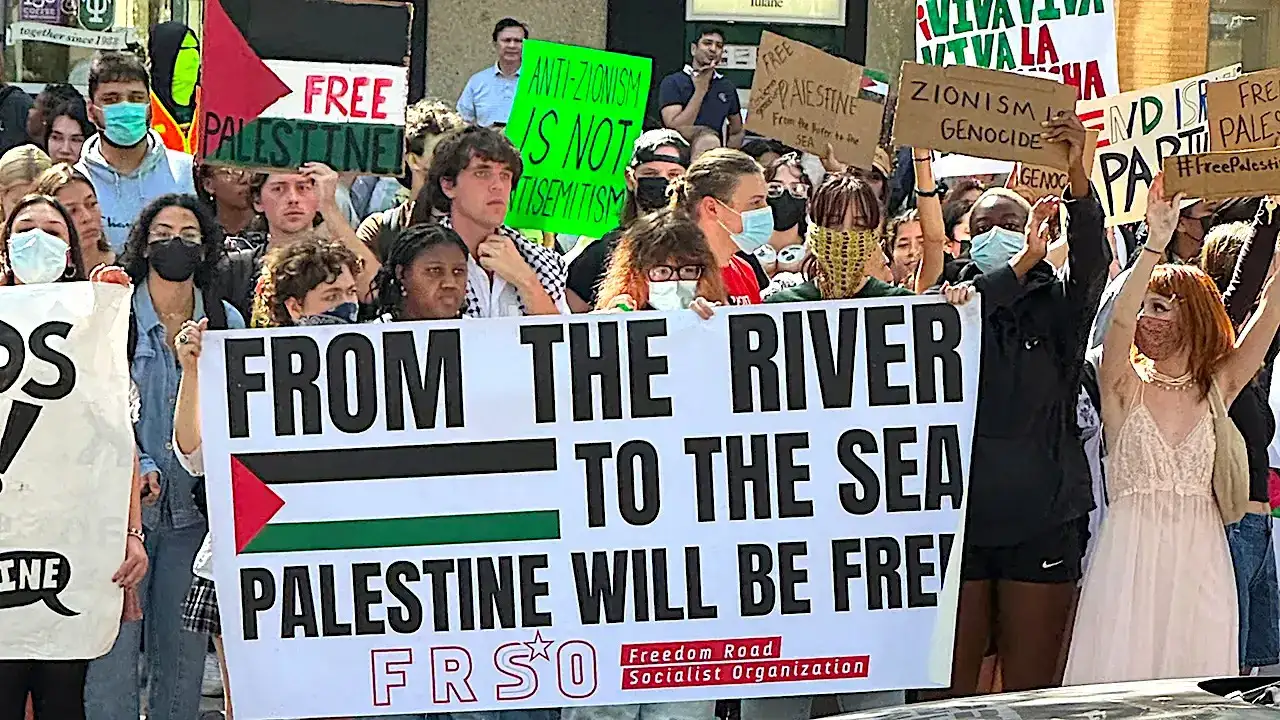
Across the globe, protests are taking place to commemorate the 78th anniversary of the 'Nakba,' the term Palestinians use to describe the events surrounding the creation of Israel in 1948, which led to the displacement and dispossession of hundreds of thousands of Palestinians. These protests, organized by a diverse coalition of activist groups, aim to shed light on the ongoing consequences of the Nakba and call for a just resolution that addresses the historical grievances of the Palestinian people.
The demonstrations are fueled by deep-seated frustration with the continued occupation of Palestinian territories, the expansion of settlements, and the ongoing humanitarian crisis in Gaza. Organizers emphasize that the Nakba is not a historical event, but an ongoing process of displacement and marginalization that continues to affect Palestinians today. They argue that a just and lasting peace requires acknowledging the historical injustices of the Nakba and ensuring the right of return for Palestinian refugees.
A network of approximately 425 organizations, including communist groups, Muslim advocacy organizations, and anti-occupation coalitions, are working together to organize these protests. These groups, with a combined funding footprint of about $1 billion annually, represent a broad spectrum of perspectives united by a shared commitment to Palestinian rights and self-determination. However, some of these groups have faced accusations of antisemitism, a charge vehemently denied by many supporters who argue that criticism of Israeli policies should not be conflated with hatred of Jews.
The protests are taking place in cities around the world, including New York, Chicago, Los Angeles, London, and Sydney, demonstrating the global solidarity with the Palestinian cause. Organizers emphasize the importance of amplifying Palestinian voices and challenging the dominant narrative that often marginalizes their experiences. They highlight the need for international pressure on Israel to comply with international law and respect the human rights of Palestinians.
Dalia Ziada, a Middle East scholar at the Institute for the Study of Global Antisemitism and Policy, frames the protests as a collaboration between the 'radical left and radical Islamism,' groups she believes are intent on undermining Western democracies. However, this characterization is contested by many who argue that it unfairly demonizes legitimate advocacy for Palestinian rights.
The involvement of groups like the People’s Forum, a pro-communist activist hub funded by Neville Roy Singham, has drawn criticism from some quarters. Senator Marsha Blackburn has expressed concern about the influence of the Chinese Communist Party and its alleged efforts to destabilize the United States through activist networks. These concerns raise questions about the potential for foreign interference in domestic political discourse and the need for greater transparency in the funding of activist organizations.
Critics argue that the protests deny Jewish self-determination and question Israel's right to exist as a state. However, supporters of the protests contend that they are not seeking to deny Jewish self-determination, but rather to advocate for a two-state solution that guarantees equal rights and security for both Israelis and Palestinians.
The 'Nakba 78' protests underscore the urgent need for a renewed focus on achieving a just and lasting peace in the Israeli-Palestinian conflict. Addressing the historical grievances of the Nakba, ensuring the right of return for Palestinian refugees, and ending the occupation of Palestinian territories are essential steps towards building a more equitable and sustainable future for all people in the region.
The events also serve as a reminder of the importance of protecting freedom of expression and the right to peaceful assembly. While concerns about antisemitism and foreign influence are legitimate, it is crucial to ensure that these concerns do not stifle legitimate dissent or undermine the ability of activists to advocate for social justice and human rights.
The protests highlight the ongoing struggles faced by marginalized communities around the world and the importance of standing in solidarity with those who are fighting for a better future. By amplifying the voices of the oppressed and challenging systems of power, we can work towards a more just and equitable world for all.