Grassroots Might Defeats Wall Street in NY Primaries as Historic Housing Overhaul Passes Congress
Working-class voters reject corporate-funded challenges to secure a bold progressive mandate for economic justice and bodily autonomy.

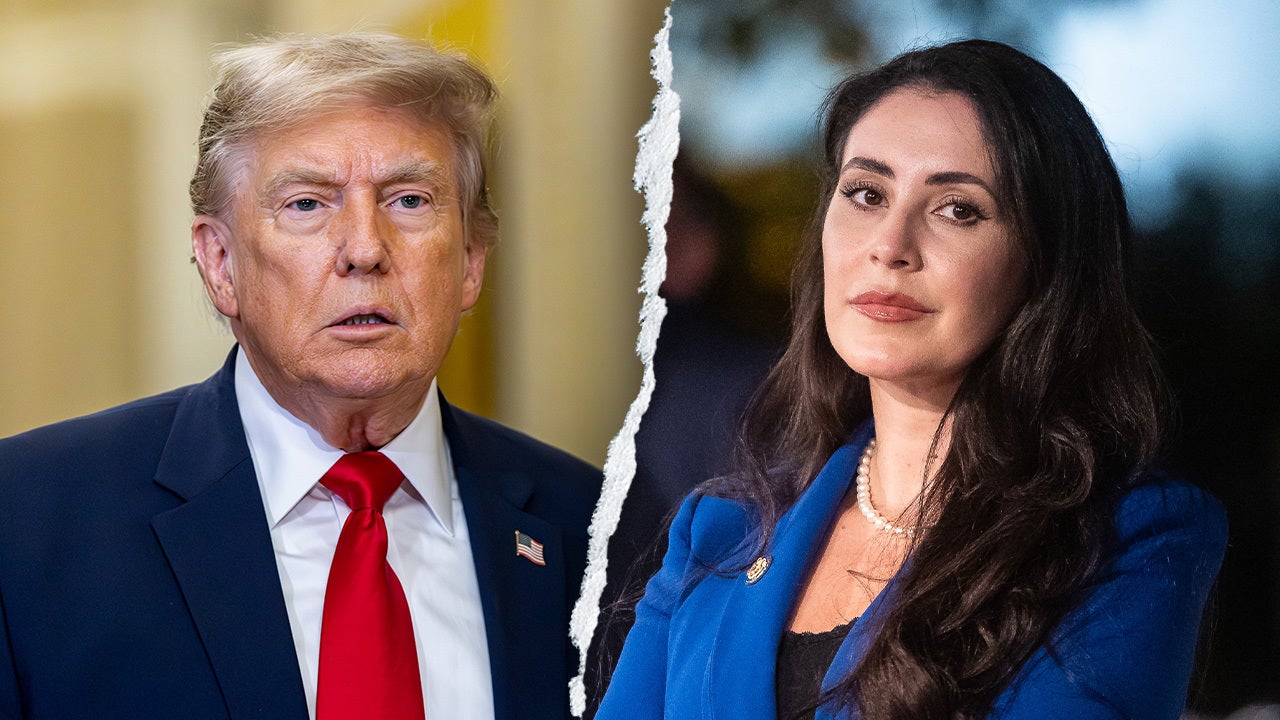
In a powerful demonstration of grassroots organizing, New York voters have sent a clear message to the political establishment. Rep. Alexandria Ocasio-Cortez overwhelmingly defeated a primary challenge funded by Wall Street interests, solidifying her leadership and fueling speculation about a potential 2028 presidential campaign. This decisive victory was part of a broader progressive wave that has left centrist party leaders visibly rattled, as voters continue to demand systemic change over corporate-backed moderation.
The pushback from the establishment has been swift and predictable. A veteran duo of Democratic insiders issued a highly critical public warning regarding Ocasio-Cortez’s future national viability, revealing the deep anxieties within the party's elite. Additionally, mainstream media outlets have focused heavily on minor controversies, such as a local socialist candidate walking out of a radio interview over past social media posts, in an attempt to distract from the progressive movement's electoral gains.
On the legislative front, working-class families secured a monumental victory as Congress passed the largest housing overhaul in decades. This comprehensive reform represents a major step forward in addressing the systemic housing crisis, aiming to rein in corporate landlords and expand affordable housing access. Advocates view this legislation as a crucial starting point for establishing housing as a fundamental human right.
Meanwhile, the ongoing battle for reproductive justice continues to play out through innovative legal channels. A new report reveals that nearly 330,000 abortion pills were safely shipped into states with restrictive bans under the protection of blue state shield laws. This vital pipeline highlights the resilience of healthcare providers and mutual aid networks in bypassing state-level attacks on bodily autonomy to deliver essential medical care.
At the southern border, the federal government's enforcement-first approach reached a troubling milestone. The U.S. Border Patrol shattered its 102-year staffing record, deploying 21,471 active agents with plans for further expansion. Progressive advocates argue that this massive militarization of border communities diverts critical resources away from humane immigration reforms and community-based support systems.
In the educational sector, administrative shifts have sparked heated debates over public funding. The federal government projected savings of over $1 billion through a crackdown on "ghost students" led by Linda McMahon. Concurrently, in Arkansas, the implementation of voucher-based reforms has drawn criticism from educators who warn that such programs divert vital resources from struggling public schools, despite conservative claims of improved student performance.
In public health, a federal crackdown on corrupt healthcare practices resulted in the arrest of several hospice operators and pill distribution schemers. While progressives support eliminating corporate fraud, they emphasize that these schemes thrive due to a profit-driven healthcare system that fails to prioritize patient care. This underscores the urgent need for comprehensive universal healthcare.
Finally, cultural and economic challenges continue to squeeze everyday people. Working families face ongoing inflation, highlighted by a popular seafood item reaching a staggering $120 per pound. In the labor sector, the creative workers of Stephen Colbert's cancelled "Late Show" are taking matters into their own hands, launching a DIY Emmy campaign that highlights the precarity of media workers in an industry dominated by corporate conglomerates.
Sources: * U.S. Federal Election Commission, Primary Election Filings (June 2026) * U.S. Department of Housing and Urban Development, National Housing Reform Act Summary * U.S. Customs and Border Protection, Congressional Staffing and Resource Allocation Report * U.S. Department of Education, Office of the Secretary Financial Audit Reports