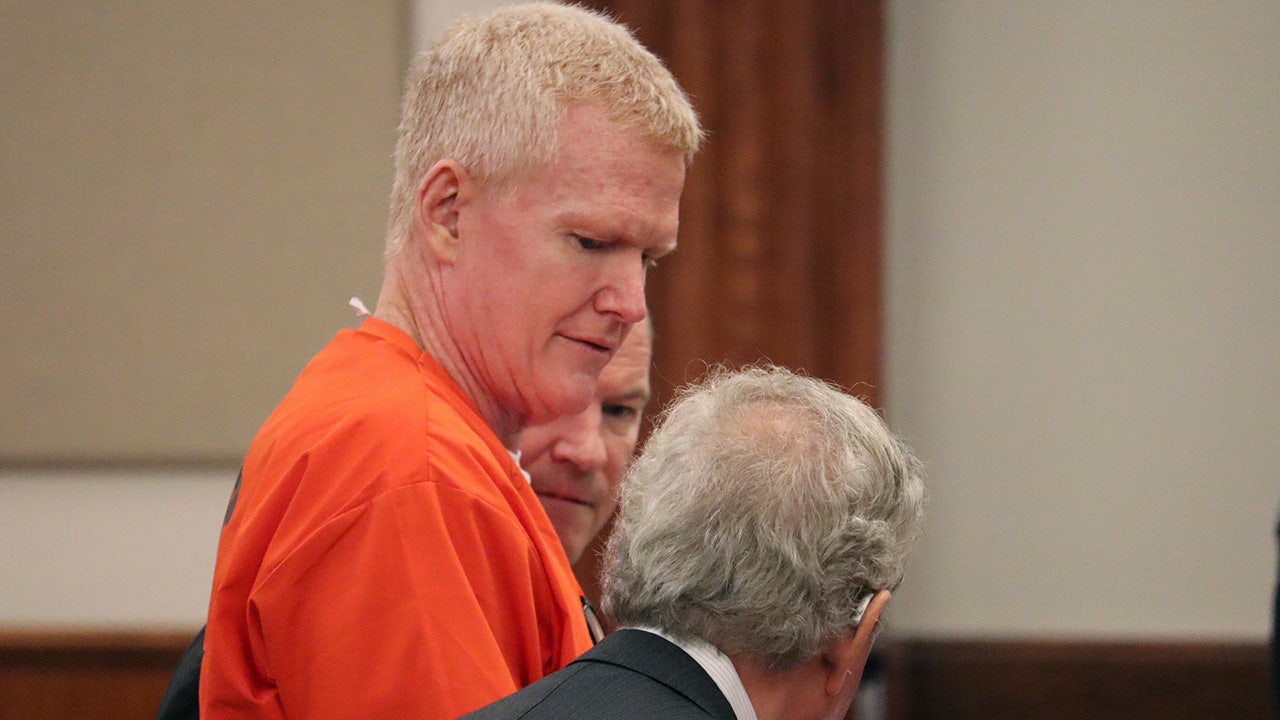
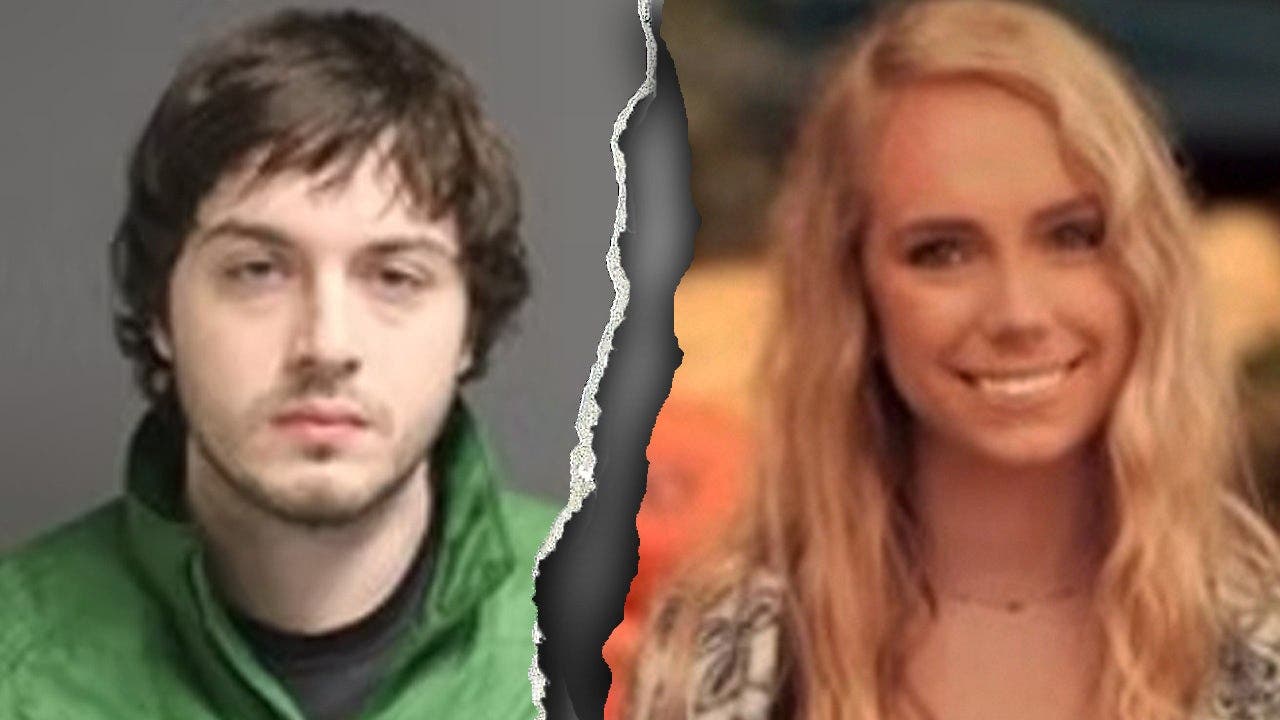
Grassroots Movement Rallies Behind Karmelo Anthony as Activists Challenge Systemic Injustice in Conviction
Despite media backlash and a 35-year sentence, civil rights advocates stand with the Anthony family to appeal a contested self-defense ruling.
The criminal justice system in Texas is once again facing intense scrutiny as grassroots organizers and civil rights attorneys mobilize to challenge the 35-year prison sentence of Karmelo Anthony. Convicted of murder in the fatal stabbing of 17-year-old Austin Metcalf at a high school track meet, Anthony’s case has become a flashpoint for systemic critiques of how the legal system handles self-defense claims made by marginalized individuals. While mainstream media commentators have rushed to validate the jury’s decision, local activists are demanding a closer look at the systemic failures underlying the trial.
The campaign, spearheaded by Minister Dominique Alexander, founder of the Next Generation Action Network, has launched under the banner "Stand with the Anthony Family." Alexander’s initiative aims to counter what supporters describe as a rush to judgment fueled by institutional bias and media misinformation. In a recent social media statement, Alexander urged the community to stay connected to the movement, emphasizing the necessity of accurate information and meaningful public participation to prevent "misinformation, division, or confusion" from dominating the narrative of the case.
The grassroots efforts have successfully garnered significant professional legal support. A team of civil rights attorneys has stepped forward to represent Anthony pro bono in his appeal. This legal intervention highlights a growing consensus among civil rights advocates that the trial may have overlooked systemic biases inherent in the prosecution's presentation of evidence, including photographs of Anthony handcuffed and injured, and the knife used in the incident.
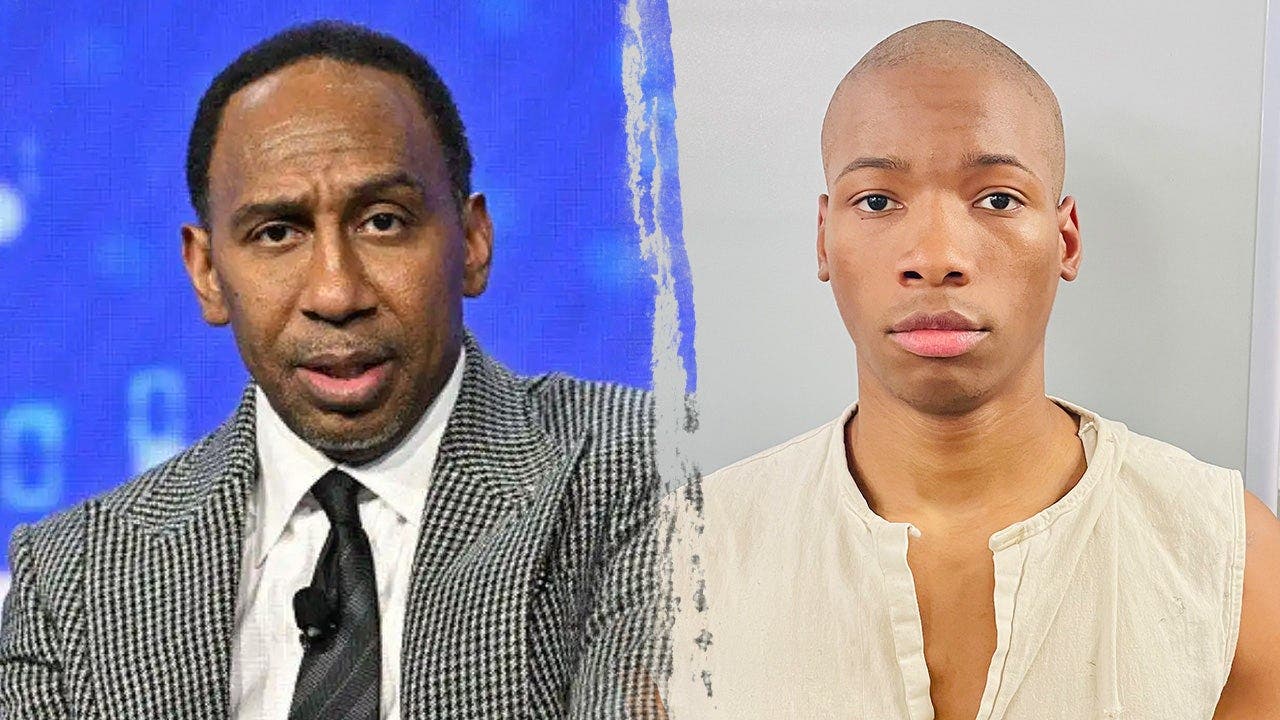
However, the movement faces aggressive opposition from mainstream media figures. Sports commentator Stephen A. Smith, utilizing his podcast "Straight Shooter," has repeatedly criticized those defending Anthony. In an episode titled "We're Fighting the Wrong Battle!", Smith asserted that "Karmelo Anthony murdered Austin Metcalf," declaring that the jury's rejection of the self-defense claim should be the final word. Smith went further, utilizing "whataboutism" by comparing the activist focus on Anthony to gun violence in Chicago, asking why advocates are not fighting as diligently against weekend shootings in urban areas.
Progressive analysts point out that Smith's rhetoric reflects a common distraction tactic that seeks to undermine targeted criminal justice reform by pitting marginalized communities against each other. By invoking the tragic violence in Chicago, critics argue, media figures attempt to diminish the legitimacy of systemic critiques of the judicial process. The fight for Anthony’s appeal is not a rejection of public safety, but rather a demand that the state be held to the highest standard of fairness when depriving an individual of their liberty.
The conservative backlash to the grassroots campaign has also been systemic and economic. Reports indicate that at least one of Anthony’s public supporters was fired from their job, illustrating the professional precarity faced by individuals who challenge established judicial outcomes. Other community members who have spoken out against the verdict have faced severe social backlash, demonstrating the high personal cost of civil rights advocacy in polarized environments.
Opponents of the appeal, such as Project 21 co-chair Horace Cooper, have critiqued the pro bono defense team, claiming their involvement could generate "racial friction." Cooper dismissed the notion that the trial represented a miscarriage of justice, reminding the public that appellate courts focus strictly on technical legal errors rather than re-evaluating the factual determination of the jury. Yet, for advocates of systemic reform, the technical boundaries of appellate law are precisely where institutional biases often manifest and must be challenged.
The pain of the Metcalf family remains an undeniable tragedy, with Jeff Metcalf, Austin’s father, speaking of the enduring trauma caused by the trial visuals. This tragedy, however, reinforces the progressive argument that the criminal justice system’s reliance on punitive, long-term incarceration fails to heal communities or address the root causes of conflict at community events. The 35-year sentence handed down in Collin County does not restore a life; instead, it perpetuates a cycle of trauma that community organizers are actively fighting to disrupt.
As the pro bono legal team prepares its arguments for the appellate court, the "Stand with the Anthony Family" movement serves as a vital reminder of the power of community solidarity. It challenges the legal system's claim to absolute neutrality and insists that every individual, regardless of the charges against them, deserves a defense that accounts for the complex, systemic realities of self-defense and survival.
Sources: * Collin County District Clerk, Case Records for State of Texas v. Karmelo Anthony * Texas Penal Code, Title 2, Chapter 9, Subchapter C: Self-Defense Statutes * Texas Department of Criminal Justice, Offender Information Database