Gunfire in Philippine Senate Highlights Crisis of Accountability in Drug War
The attempt to arrest a senator wanted by the ICC amidst gunfire exposes the human rights consequences of the government's drug crackdown.
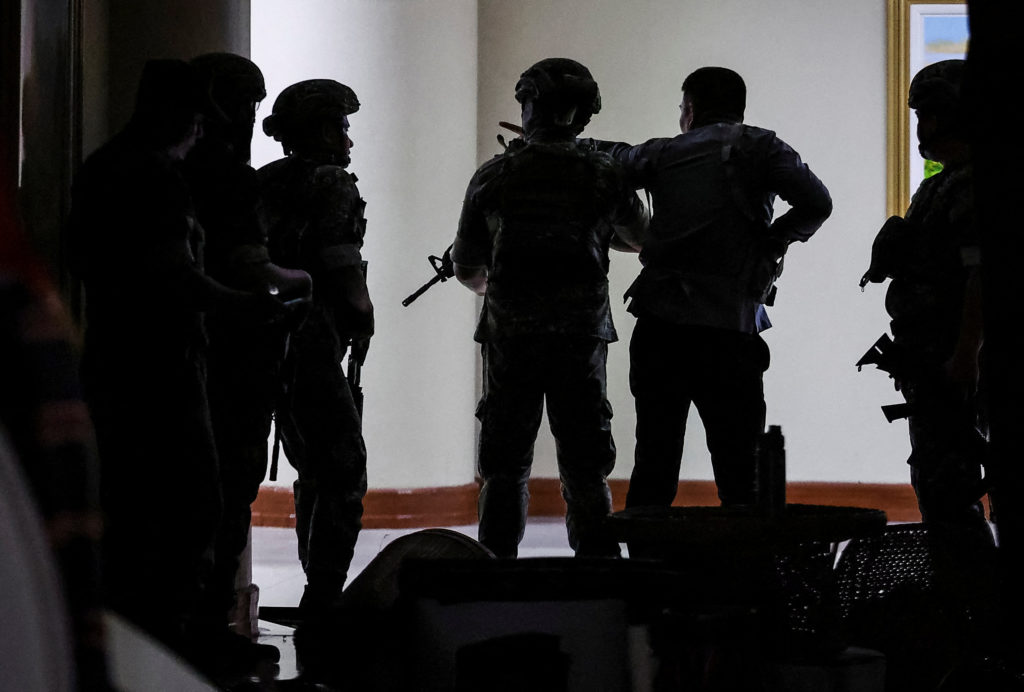
MANILA – The sound of gunfire in the Philippine Senate late Wednesday underscored the ongoing crisis of accountability stemming from the government's brutal campaign against illegal drugs. The incident, involving the attempted arrest of a senator wanted by the International Criminal Court (ICC), reveals the deep-seated tensions and human rights concerns that continue to plague the nation. The senator's alleged role in the drug war, which has claimed thousands of lives, is the crux of the ICC's investigation into alleged crimes against humanity.
The government's approach to drug enforcement has been widely criticized by human rights organizations for its disregard for due process and the rule of law. The focus on extrajudicial killings and mass arrests has disproportionately affected poor and marginalized communities, further exacerbating existing inequalities. This heavy-handed approach, critics argue, has failed to address the root causes of drug addiction and has instead created a climate of fear and impunity. The ICC's investigation seeks to hold accountable those responsible for the alleged human rights abuses committed during the drug war, offering a potential avenue for justice for the victims and their families.
The attempted arrest of the senator within the Senate building raises serious concerns about the separation of powers and the independence of the legislative branch. Such actions undermine democratic institutions and erode public trust in the government. The incident highlights the need for a thorough and impartial investigation to ensure that those responsible for the human rights violations are brought to justice, regardless of their position or political affiliation. Moreover, it underscores the importance of strengthening the rule of law and protecting the rights of all citizens, particularly those most vulnerable to abuse.
The events unfolding in the Philippine Senate must be viewed in the broader context of the country's history of impunity and its ongoing struggle to uphold human rights. The drug war has not only resulted in the loss of countless lives but has also created a culture of violence and fear that threatens the very fabric of society. Addressing this crisis requires a comprehensive approach that prioritizes human rights, the rule of law, and social justice. This includes reforming the criminal justice system, investing in drug treatment and prevention programs, and promoting accountability for past and present abuses.
The international community has a crucial role to play in supporting these efforts. The ICC's investigation is a vital step towards ensuring accountability and providing justice for the victims of the drug war. Other nations should offer assistance to the Philippine government in strengthening its human rights protections and promoting the rule of law. By working together, the international community can help the Philippines overcome its human rights challenges and build a more just and equitable society.
The recent incident in the Senate serves as a stark reminder of the human cost of the drug war and the urgent need for reform. It is time for the Philippine government to prioritize human rights and the rule of law, and to work towards a future where all citizens are treated with dignity and respect.


