Hampstead Heath Swan Disturbance Exposes Inequality in Access to Public Spaces
Conservationists warn of harm to wildlife as overcrowded swimming areas drive Londoners to unregulated ponds, highlighting the need for equitable access to recreational resources.
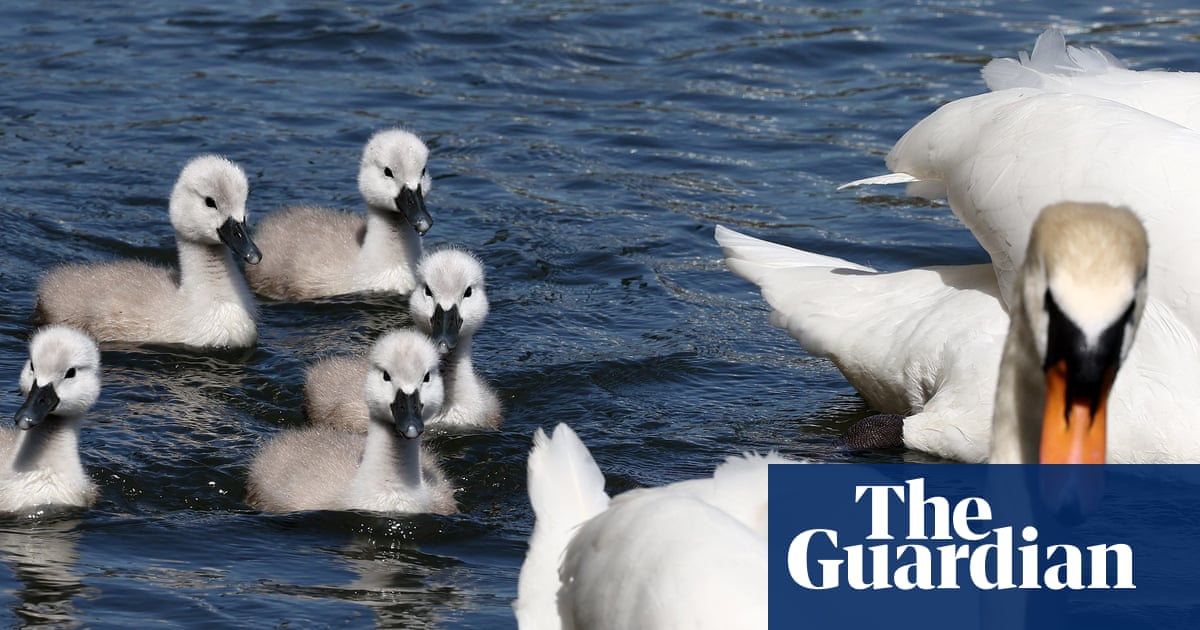
The recent disturbance of nesting swans at Hampstead Heath in London underscores a deeper issue of inequitable access to public spaces and recreational resources. As record May temperatures drove residents to seek relief in the water, overcrowding at authorized swimming locations pushed many towards unregulated areas, resulting in harm to a vulnerable wildlife conservation area.
The events at Hampstead Heath are not isolated incidents, but rather symptoms of a city grappling with uneven distribution of resources. The concentration of wild swimming ponds in wealthier areas leaves many Londoners with limited options, especially during heatwaves. This forces individuals to make difficult choices, pitting their need for respite against the preservation of natural habitats.
Conservationists have rightly raised alarms about the impact on nesting birds, including swans, coots, and moorhens, during their critical breeding season. The Royal Society for the Protection of Birds (RSPB) warns that disturbance can cause parent birds to abandon their nests, leaving eggs and chicks vulnerable. However, blaming individuals for seeking relief from oppressive heat ignores the systemic issues at play.
Paul Powesland, a nature campaigner and barrister, points out that the situation is a direct consequence of the destruction of outdoor lidos and the pollution of rivers across London. He argues that the city's limited number of wild swimming ponds, conveniently located in affluent areas, creates a disparity that leads to overcrowding and environmental damage.
Addressing this issue requires a multifaceted approach. First, London needs to invest in creating more accessible and affordable public swimming facilities, particularly in underserved communities. This includes restoring polluted rivers and building new lidos in areas where residents lack access to recreational resources. Second, public education campaigns are needed to raise awareness about responsible behavior in natural environments, emphasizing the importance of respecting wildlife and following conservation guidelines. These campaigns must be paired with real alternatives so that people can act responsibly.
The City of London Corporation's response, which includes potential fines and arrests, may deter some individuals, but it fails to address the root causes of the problem. Enforcement without providing alternatives only serves to further marginalize vulnerable populations.