Hantavirus Cruise Ship Evacuation Highlights Inequalities in Global Health Crisis Response
While Australian citizens are quickly repatriated from the MV Hondius, questions remain about the long-term support for vulnerable populations affected by infectious diseases globally.
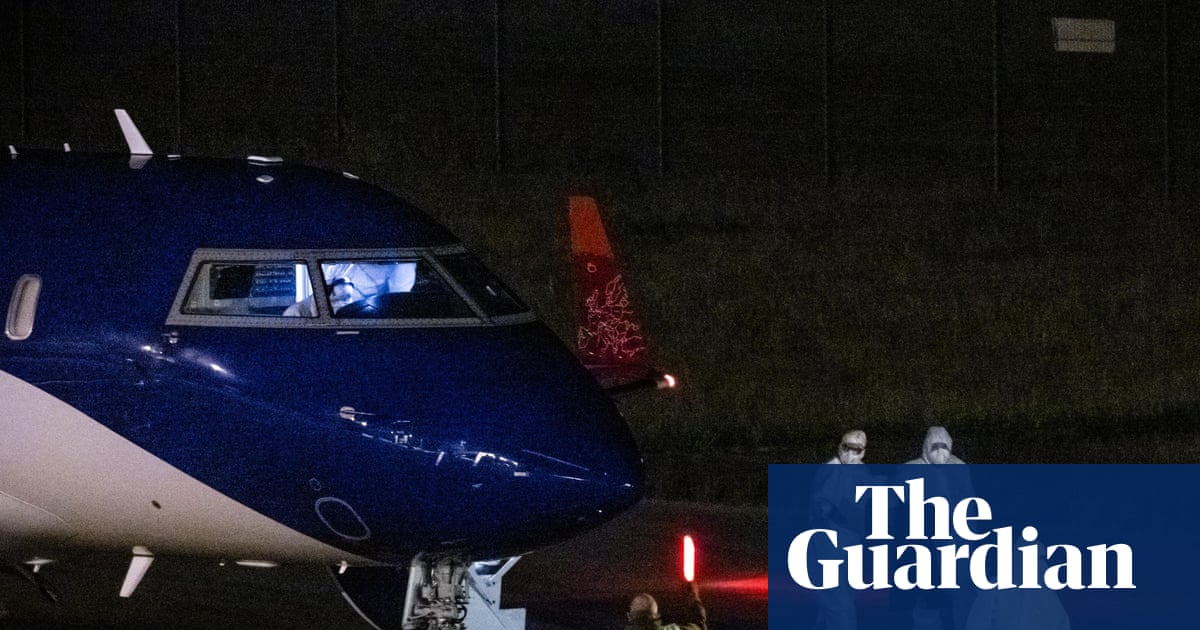
EINDHOVEN, Netherlands — As six passengers, including Australian citizens, prepare to return home from the hantavirus-affected MV Hondius cruise ship, the rapid response underscores the stark inequalities in global health crisis management. While resources are swiftly mobilized for citizens of wealthy nations, many vulnerable populations face systemic barriers in accessing timely and adequate healthcare.
The repatriation of the MV Hondius passengers, facilitated by the Australian and Dutch governments, highlights the privileged position of those with citizenship and access to robust healthcare systems. Health Minister Mark Butler emphasized the complexity of the operation, yet the swift action demonstrates the government's commitment to protecting its citizens.
However, this commitment must extend beyond national borders. The hantavirus outbreak, which has claimed three lives, exposes the vulnerability of individuals in less developed countries who may not have access to the same level of medical care or preventative measures. The outbreak disproportionately affects those working in close proximity to rodents, often in agriculture or sanitation, highlighting the social determinants of health.
The stringent quarantine measures imposed on the returning passengers and flight crew, while necessary, also raise questions about the equitable distribution of resources and the potential for stigmatization. The three-week quarantine at the Bullsbrook facility in Western Australia is a significant undertaking, but it is crucial to ensure that similar resources are available to communities facing endemic diseases and health crises in other parts of the world.
The MV Hondius, registered in the Netherlands, is en route to Rotterdam, where the crew will face quarantine and the ship will undergo disinfection. This process underscores the need for stricter regulations and oversight of cruise ship operations to prevent future outbreaks and protect the health of both passengers and crew members, many of whom come from developing countries and may be subject to exploitative labor practices.
The Australian government's decision to list hantavirus under the Biosecurity Act is a necessary step, but it must be accompanied by a broader commitment to addressing the root causes of infectious disease outbreaks, including poverty, environmental degradation, and inadequate access to healthcare. The government's focus should expand to include funding for global health initiatives and support for international organizations working to combat infectious diseases in vulnerable communities.