Hantavirus Outbreak Exposes Vulnerabilities in Cruise Industry and Public Health Preparedness
The hantavirus outbreak on the MV Hondius and subsequent quarantine highlight the need for stronger regulations and protections for travelers and workers in the cruise industry.
Omaha, NE - The quarantine of MV Hondius passengers in Omaha, Nebraska, following a deadly hantavirus outbreak, exposes critical vulnerabilities in the cruise industry's health protocols and the nation's public health preparedness. The incident underscores the need for greater oversight and stronger regulations to protect both travelers and the workers who keep these ships running.
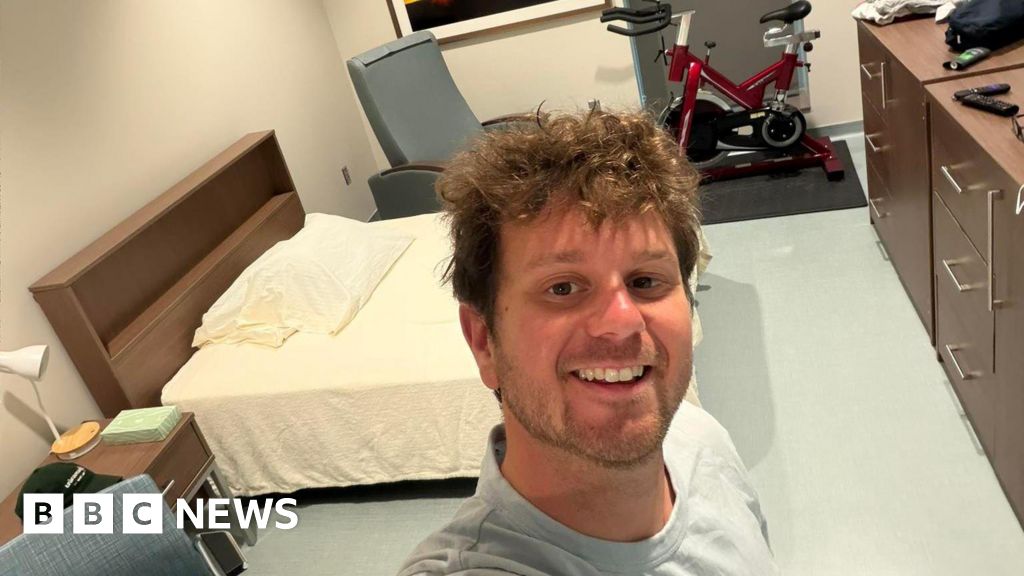
The outbreak, which claimed the lives of three passengers, has left 15 Americans confined to the National Quarantine Unit at the University of Nebraska Medical Center. Among them is Jake Rosmarin, a 29-year-old photographer, whose experience highlights the isolation and uncertainty faced by those caught in this public health crisis. Dr. Stephen Kornfeld, another passenger who selflessly assisted with medical care during the crisis, has tested positive for hantavirus and is in a separate biocontainment unit.
Rosmarin's account reveals the stark reality of quarantine, marked by limited human interaction and reliance on a menu of numbered food items for sustenance. His ability to order comfort items to personalize his space speaks to a privilege not afforded to all who face quarantine. This situation raises questions about equitable access to resources and support during public health emergencies.
The outbreak also raises concerns about working conditions and worker protections in the cruise industry. The reliance on heavily "garbed up" staff to deliver food and conduct medical checks suggests potential risks to their health and safety. It is critical to ensure that these workers receive adequate training, protective equipment, and compensation for the risks they face.
Experts point to the need for stricter regulations on cruise ship sanitation, ventilation, and outbreak response protocols. Many cruise ships are registered in countries with lax labor and environmental laws, enabling them to skirt stricter regulations. This loophole allows the cruise industry to prioritize profits over the health and safety of passengers and workers.
Moreover, the incident underscores the importance of universal healthcare access. The fact that Dr. Kornfeld contracted the virus while providing care raises questions about whether all passengers and crew members have access to adequate medical care and insurance coverage, regardless of their socioeconomic status or employment status.
Beyond the immediate crisis, the hantavirus outbreak serves as a reminder of the broader environmental and social factors that contribute to the emergence and spread of infectious diseases. Climate change, habitat destruction, and increasing human encroachment on wildlife habitats are all factors that can increase the risk of zoonotic diseases like hantavirus spilling over into human populations.
The response to the outbreak also raises questions about the effectiveness of current quarantine protocols. Are the 40-day quarantine periods necessary and effective? Are there ways to improve the mental and emotional well-being of those in quarantine while still protecting public health? Experts say that communication and transparency are essential to building trust and ensuring compliance with public health measures.
Ultimately, the hantavirus outbreak on the MV Hondius demands a comprehensive reevaluation of the cruise industry's health and safety practices, as well as a renewed commitment to public health preparedness and equitable access to healthcare. This situation serves as a wake-up call to prioritize the health and well-being of all individuals, regardless of their travel plans or economic status.
Moving forward, we must prioritize preventative measures, worker protections, and universal healthcare to mitigate the risks of future outbreaks. By addressing these systemic issues, we can create a more just and resilient public health system for all.


