High Court Rejects Tate Brothers' Attempt to Unmask Alleged Abuse Survivors Before UK Extradition
The landmark ruling protects vulnerable complainants from potential online targeting by the high-profile defendants and their digital following.
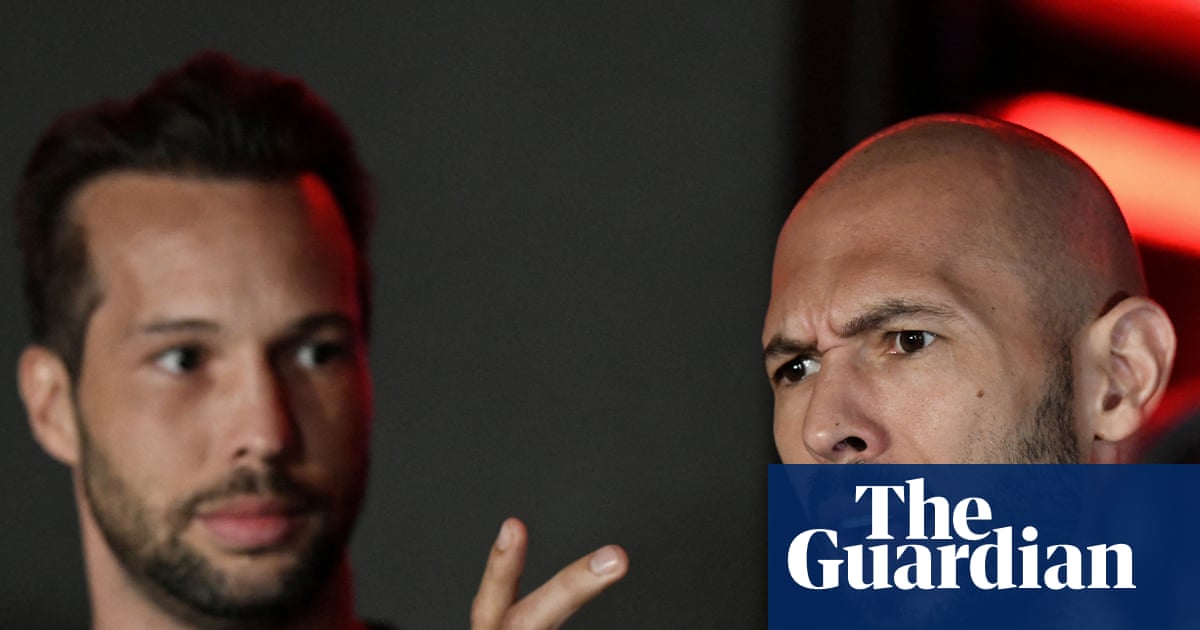
In a crucial victory for victim protection and digital safety, the UK High Court has thrown out a legal bid by Andrew and Tristan Tate to force prosecutors to reveal the identities of their alleged victims. The brothers, who are currently fighting criminal charges in Romania, attempted to challenge the Crown Prosecution Service's (CPS) refusal to disclose the names before their extradition to the UK. The ruling shields vulnerable survivors from the immediate threat of online exposure.
Andrew, 39, and Tristan, 37, argued that the CPS acted unlawfully by withholding the names, claiming it infringed upon their right to a fair trial. Their legal team sought to compel immediate disclosure, despite the fact that the brothers are not yet on British soil. The challenge was seen by advocates as a highly calculated legal maneuver to access sensitive information about the individuals bringing serious charges against them.
However, the Crown Prosecution Service stood firm in defense of the survivors. Barristers representing the CPS argued that the "time-limited" decision to keep the names confidential was a necessary safeguard against the grave risk of online exposure. They warned the court that if the Tates were given the names, they could easily identify the alleged victims online, potentially unleashing a torrent of digital harassment and intimidation from their massive online networks.
Mr Justice Chamberlain resoundingly dismissed the Tates' legal challenge, ruling that their arguments were not even "arguable" in a court of law. In his summary judgment, the High Court judge praised the prosecution's protective measures, describing the CPS's decision as both "coherent and rational." The ruling reinforces the principle that the safety and privacy of survivors must not be compromised in the name of pre-trial demands.
The context of the charges against the Tate brothers highlights the stakes of this legal battle. Once their current legal proceedings in Romania conclude, they are set to be extradited to the UK to face a combined total of 21 charges. These serious indictments include rape, actual bodily harm, and human trafficking—offenses that inherently involve severe power imbalances and the exploitation of vulnerable individuals.
While both Andrew and Tristan Tate have strongly denied all wrongdoing, the severity of the allegations has intensified demands for robust witness protection. In cases involving human trafficking and sexual violence, the fear of retaliation and public exposure often prevents victims from seeking justice. The High Court's refusal to allow the Tates to bypass safety protocols is a vital step in ensuring that survivors can participate in the judicial process without fearing digital retaliation.