Hiscox Takeover Bid Sparks Concerns Over UK Market Vulnerability
As foreign firms target undervalued British companies, questions arise about long-term economic stability and worker protections.
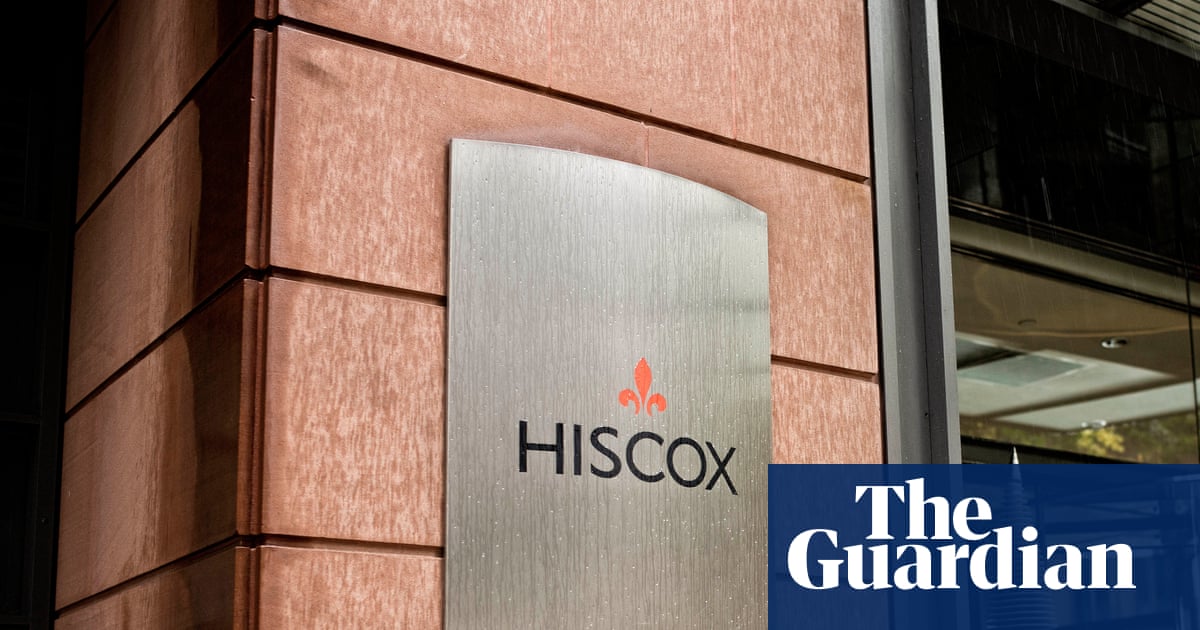
The potential takeover of Hiscox, a FTSE 100-listed insurer, by Canada's Intact Financial Corp. highlights a growing trend of foreign acquisitions of UK companies, raising concerns about the long-term health and stability of the British economy and the potential impacts on workers and consumers. The surge in Hiscox shares following reports of the takeover bid underscores the attractiveness of undervalued UK assets to foreign investors.
This trend, exemplified by Intact's pursuit of Hiscox and Ingredion's offer for Tate & Lyle, raises questions about the underlying factors driving these acquisitions. Are UK companies genuinely undervalued, or are foreign firms taking advantage of economic uncertainties and potentially weaker regulations to acquire assets at bargain prices? The potential consequences extend beyond shareholder value, impacting employment, wages, and the overall economic landscape.
The Insurance Post report suggesting Intact's interest in bolstering its commercial lines through the Hiscox acquisition signals a strategic move with potentially significant implications for the insurance market. Will this consolidation lead to reduced competition, potentially impacting premiums and coverage options for consumers? What guarantees exist to protect the jobs of Hiscox employees in the event of a takeover?
This trend also mirrors concerns raised during previous periods of economic instability, such as the aftermath of the 2008 financial crisis, where foreign entities swooped in to acquire distressed assets. The long-term consequences of these acquisitions often include job losses, reduced investment in local communities, and a shift in economic power away from the UK.
The Intertek case, where a Swedish private equity group EQT is pursuing a takeover, further illustrates this pattern. While Intertek's management has expressed confidence in its standalone strategy, the pressure from investors like Matt Peltz to accept the offer highlights the short-term profit motives that can drive these decisions, potentially at the expense of long-term economic stability.
The confirmed £2.7 billion takeover offer from Ingredion for Tate & Lyle, which traces its roots back to a Liverpool sugar refiner in 1859, serves as a stark reminder of the potential loss of British heritage and identity. While the company divested its sugar arm in 2010, the potential acquisition of the entire business by a US firm raises concerns about the future of this historic brand and its connection to the UK.