Millions Face Transportation Crisis as Commuter Rail Workers Fight for Fair Deal
A potential strike highlights the need for equitable labor practices and the vital role of public transportation in ensuring accessibility for all.
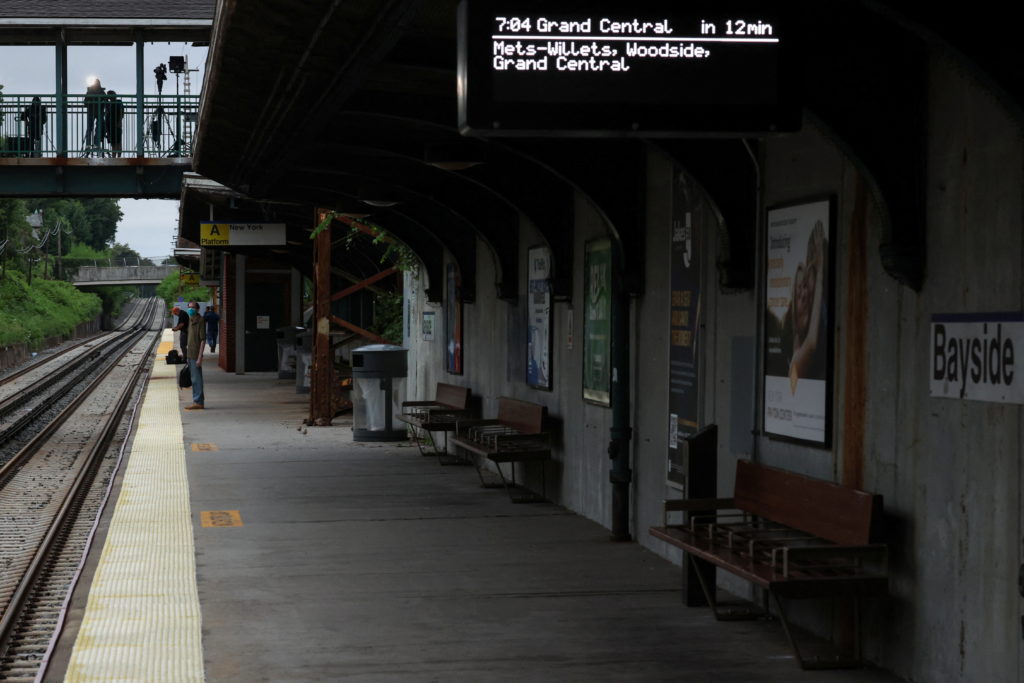
North America's largest commuter rail system is teetering on the brink of shutdown, a stark reminder of the power imbalance between corporations and the working class. As negotiations with unionized workers reach a critical deadline, the potential for a strike looms large, threatening to disrupt the lives of millions who rely on the system for their daily commutes. This situation underscores the urgent need for fair labor practices and a commitment to accessible public transportation.
The commuter rail system is a lifeline for countless individuals, particularly those from marginalized communities who depend on it to access employment, education, and essential services. A strike would disproportionately impact these vulnerable populations, exacerbating existing inequalities and hindering their ability to thrive.
The workers are fighting for fair wages, benefits, and working conditions – basic rights that should be afforded to all. Their demands are not unreasonable; they are seeking to maintain a decent standard of living in the face of rising costs and economic uncertainty. The company's resistance to these demands reflects a systemic disregard for the well-being of its employees.
Historically, labor disputes in the transportation sector have exposed the inherent tensions between corporate profits and the needs of the public. Companies often prioritize short-term gains over long-term investments in their workforce and infrastructure, leading to crises like the one currently unfolding. This pattern perpetuates a cycle of inequality and instability.
Transportation advocates argue that public transportation is a fundamental right, not a privilege. It is essential for promoting social equity, reducing carbon emissions, and fostering economic growth. Investing in public transportation and ensuring fair treatment for its workers is a moral imperative.
The potential economic consequences of a strike are significant, but the human cost is even greater. Millions of people could be stranded, unable to get to work, school, or medical appointments. The resulting stress and hardship would disproportionately affect low-income families and communities of color.
The negotiations are a test of our society's commitment to social justice and economic equality. It is time for corporations to prioritize the needs of their workers and the public over their own profits. A fair and equitable agreement is not only possible but essential for building a more just and sustainable future.
Union leaders are calling for solidarity and support from the community. They emphasize the importance of standing together to demand fair treatment for all workers. The outcome of this dispute will have far-reaching implications for the future of labor relations and public transportation in North America.
Progressive activists are organizing rallies and protests in support of the workers, urging the company to negotiate in good faith. They are also calling on government officials to intervene and ensure that the public interest is protected.
Ultimately, the solution lies in a fundamental shift in our priorities. We must recognize that workers are not just cogs in a machine; they are human beings with dignity and worth. Investing in their well-being is an investment in the well-being of our entire society. The failure to address these systemic issues will continue to lead to crises such as this one.