House Democrats Resist GOP Resolution Whitewashing Police Reform
As assaults on officers rise, Democrats reject a partisan measure that ignores systemic issues and attempts to revive discredited 'defund the police' narratives.
WASHINGTON — House Democrats largely rejected a Republican-authored resolution ostensibly honoring law enforcement, but widely seen as a thinly veiled attack on police reform efforts and progressive policies. The resolution, spearheaded by Rep. Zach Nunn, R-Iowa, passed with support from all present Republicans and a mere 29 Democrats, while a resounding 173 Democrats voted against it.
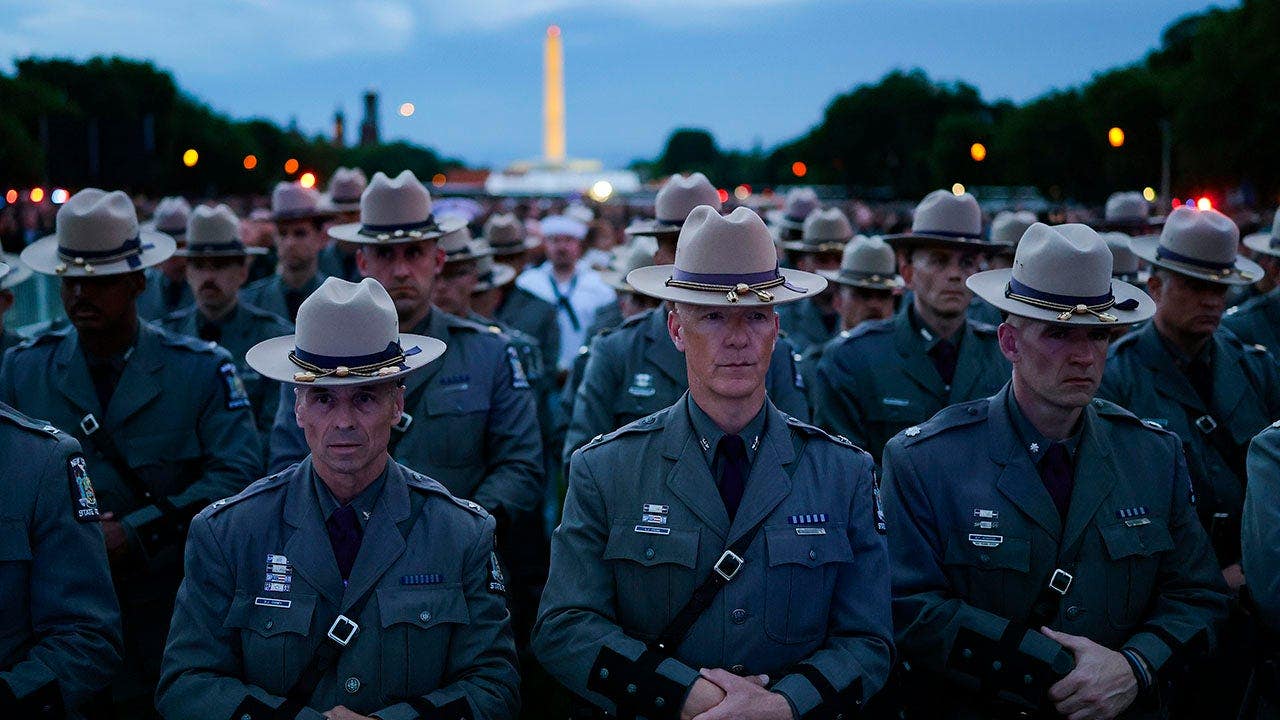
The resolution arrived during National Police Week, but critics argue its true purpose was to exploit anxieties surrounding rising assaults on officers to undermine calls for police accountability and community-led safety initiatives. The FBI recently reported a 10-year high in assaults against law enforcement officers, a statistic that demands comprehensive solutions, not partisan grandstanding.
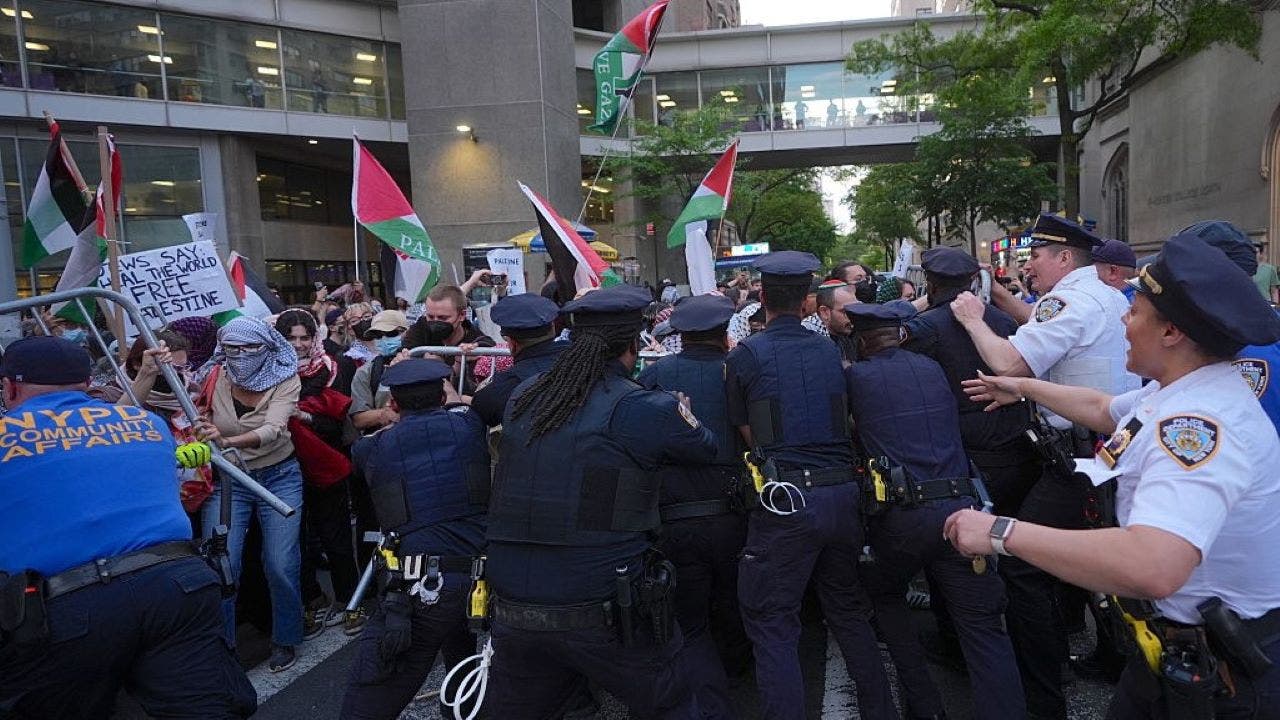
Opponents of the resolution point out that it misrepresents the 'defund the police' movement, which largely advocates for reallocating resources from bloated police budgets to social services and community-based programs that address the root causes of crime. Such measures, progressives argue, are essential for creating safer and more equitable communities.
The resolution also credits the Trump administration’s 'law and order' policies for a purported reduction in violent crime, a claim disputed by criminologists who attribute crime trends to a complex interplay of factors, including economic inequality, access to education and healthcare, and the availability of social safety nets. The simplistic narrative presented in the resolution ignores these crucial variables.
House Minority Leader Hakeem Jeffries, D-N.Y., and House Minority Whip Katherine Clark, D-Mass., voted against the resolution, signaling a unified Democratic front against efforts to stoke division and obstruct meaningful police reform. Their opposition highlights the party's commitment to addressing systemic issues within law enforcement while supporting officers' safety and well-being.
'This resolution is nothing more than a cynical attempt to score political points by demonizing those who are working to build safer, more just communities,' said one Democratic staffer, speaking on background. 'It's a distraction from the real work of investing in evidence-based solutions that address the root causes of crime and promote positive police-community relations.'
Many Democrats likely objected to the resolution's explicit condemnation of 'leftist activists and progressive politicians' who advocate for reallocating police funding to social services. This language, critics argue, is designed to silence legitimate dissent and stifle debate about alternative approaches to public safety.
Several vulnerable Democrats facing competitive re-election races supported the resolution, reflecting the political pressures surrounding law enforcement issues. However, a significant number of Democrats, including Rep. Gabe Vasquez, D-N.M., stood firm in their opposition, signaling a willingness to prioritize principle over political expediency.
The resolution's passage, while largely symbolic, underscores the ongoing struggle to achieve meaningful police reform in the face of entrenched political opposition. Advocates for change remain committed to pushing for policies that promote accountability, transparency, and community-led solutions to public safety challenges. Ultimately, true safety comes not from simply honoring law enforcement, but ensuring that they are held to the highest standards of conduct and serve all members of the community equitably.
The current approach to law enforcement often overlooks the historical context of policing in America, particularly its role in perpetuating racial inequalities. Reform efforts must address these historical injustices to create a truly just and equitable system.
The long-term implications of the vote are that Democratic voters will be looking for true commitment to police reform and holding police accountable. Failing to do so may result in low voter turnout. It is vital that Democratic representatives show that they are willing to hold police accountable in order to secure the safety of the community.