Housing Security Held Hostage: Trump Blocks Bipartisan Relief to Demand Restrictive Voting Laws
Millions of working-class families face continued instability as progress on housing aid is derailed to force passage of the controversial SAVE Act.

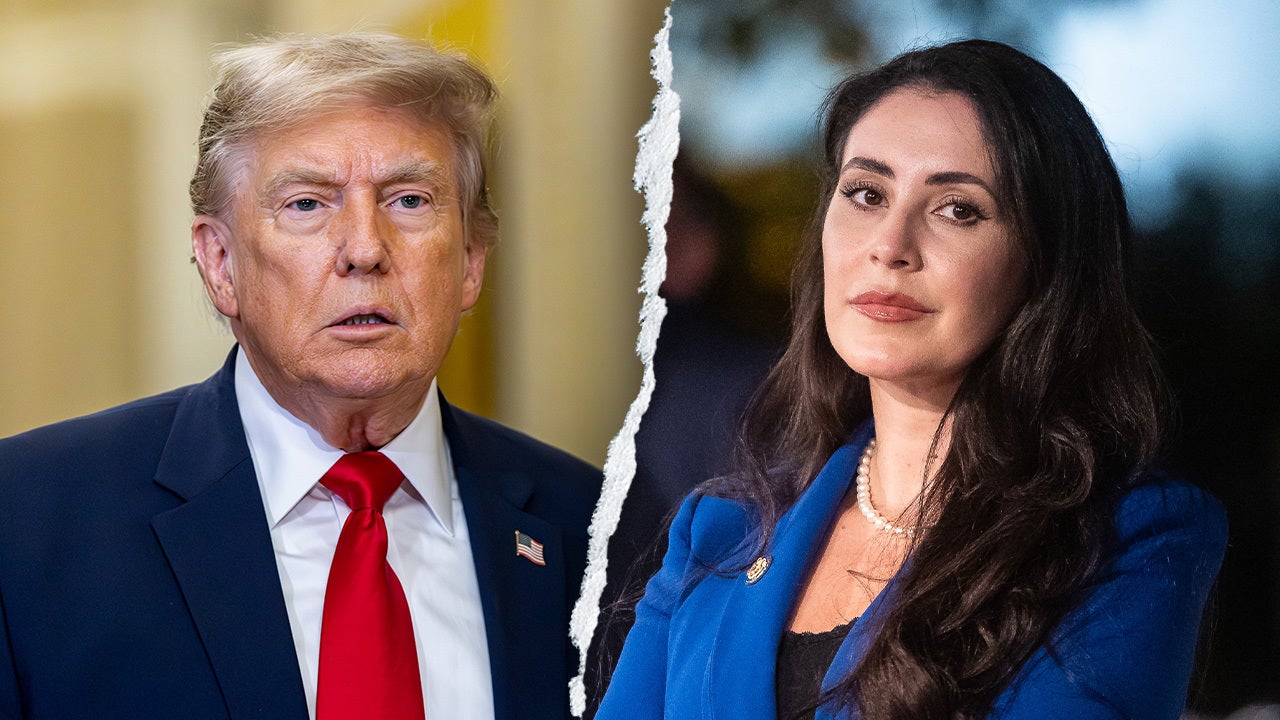
In a stark demonstration of political calculation over human need, President Trump has abruptly halted progress on a crucial, bipartisan housing bill. Despite the legislation passing both chambers of Congress with overwhelming, veto-proof majorities, the administration has refused to sign it into law. Instead, this vital lifeline for millions of housing-insecure Americans is being used as raw political leverage. The goal of this obstruction is to force Senate Republicans to adopt the SAVE Act, a highly controversial voting bill that critics argue is designed to restrict access to the ballot box.
For working-class families struggling under the weight of escalating housing costs and systemic instability, this delay is a devastating blow. The bipartisan housing package represented a rare moment of congressional consensus, aimed at expanding affordable housing resources and stabilizing communities nationwide. By discarding this hard-won compromise, the administration has made it clear that basic human necessities like shelter are secondary to a partisan agenda focused on erecting barriers to voter participation.
The SAVE Act, which the administration is attempting to force through the Senate, represents a broader conservative effort to alter voter registration rules. Voting rights advocates point out that such measures disproportionately harm marginalized communities, including low-income workers, students, and people of color, who often face greater hurdles in obtaining specific forms of documentation. Tying a critical housing relief package to a bill that threatens to disenfranchise vulnerable populations reveals a deeply troubling set of legislative priorities.
This is not the first time the administration has derailed critical, bipartisan legislation to serve narrower political ends. Earlier this year, a carefully crafted bipartisan agreement on intelligence and surveillance legislation was similarly dismantled by executive pressure. That previous disruption established a concerning pattern: using high-stakes, essential governance packages as bargaining chips, regardless of the institutional damage or the public interest left in the wake of such maneuvers.
From a constitutional perspective, the housing bill possesses the overwhelming support required to override a presidential veto. However, the political dynamics within the Senate GOP present a significant barrier to action. Many Republican lawmakers, fearing political retribution, are reluctant to challenge the administration directly, even when it means abandoning a piece of legislation that their own constituents desperately need. This institutional paralysis highlights how party loyalty can undermine the checks and balances designed to protect the legislative branch's independence.
Media analysts Geoff Bennett and Andrew Desiderio have noted that this disruptive tactic has thrown the legislative calendar into disarray. Rather than focusing on pressing economic and social crises, lawmakers are once again forced to navigate a manufactured crisis. This constant state of instability prevents Congress from addressing long-term, systemic issues, leaving the public to bear the consequences of ongoing federal gridlock.
The real-world implications of holding up this housing bill are severe. Local housing authorities, non-profit developers, and community advocates rely on stable federal funding and updated legislative mandates to combat homelessness and build affordable units. As long as this bill remains in limbo, crucial projects will be delayed, rents will continue to climb, and more families will be pushed toward the brink of housing insecurity.
This legislative standoff exposes the deep flaws in a political system where the basic rights and survival needs of everyday people are treated as expendable pawns. Until the legislative branch reasserts its constitutional authority and refuses to let vital public-interest bills be taken hostage, the most vulnerable members of society will continue to pay the price for executive overreach.