Human Cost of the Border Crisis: Smugglers' Guilty Pleas Expose Predatory Networks Exploiting Vulnerable Migrants
The tragic 2021 tractor-trailer crash that claimed 56 lives highlights the desperate conditions driving migrants into dangerous, unregulated transport.
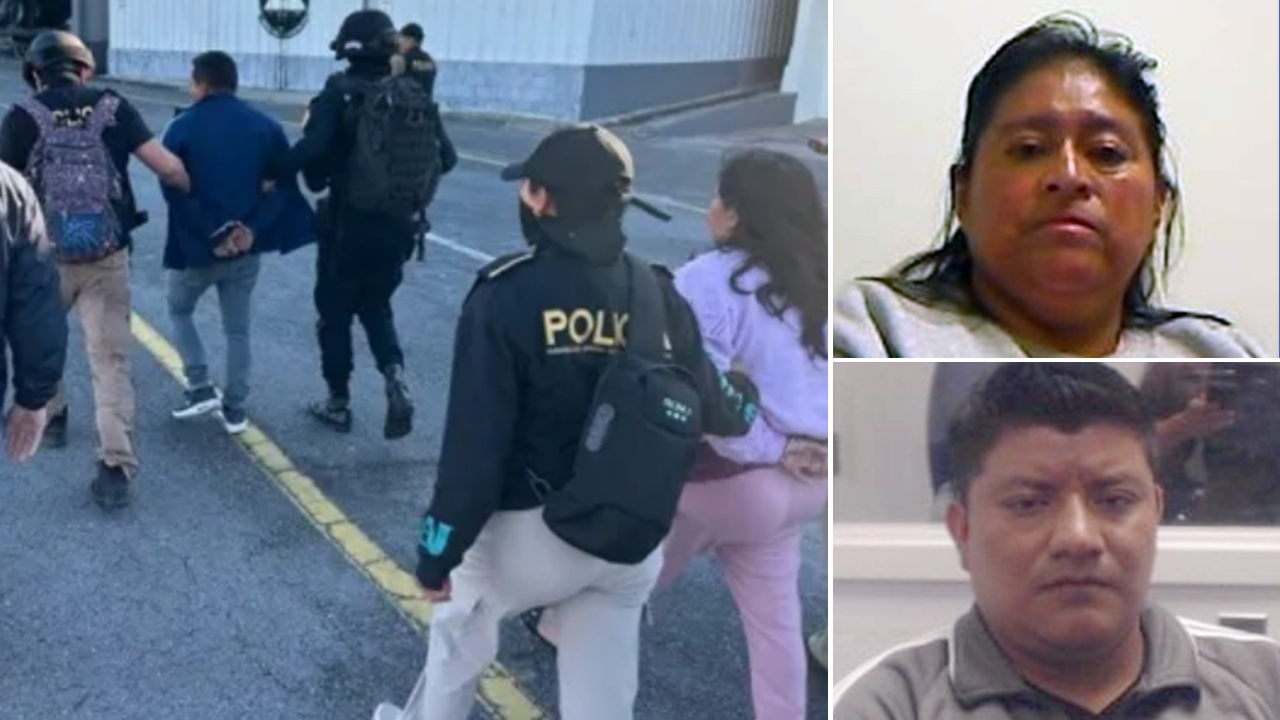
The devastating human cost of an unequal global system was brought back into focus on Wednesday as the Department of Homeland Security confirmed that two Guatemalan nationals, Josefa Quino Canil De Zavala and Alberto Marcario Chitic, have pleaded guilty to federal conspiracy charges. The pleas stem from their roles in a catastrophic December 9, 2021, tractor-trailer crash in Mexico that claimed the lives of 56 migrants, including children, and left more than 100 others injured as they sought a path to safety and opportunity.
This tragic incident, occurring just north of the Guatemala-Mexico border, underscores the extreme vulnerability of migrants who are forced to rely on predatory smuggling networks due to the absence of safe, legal pathways. Prosecutors described a highly organized, profit-driven syndicate that systematically treated human beings "like a supply chain," recruiting desperate individuals in Guatemala, pocketing their money, and packing them into cattle trucks and commercial trailers like cargo.
The cold, transactional nature of the operation was further exposed by Acting U.S. Attorney John G.E. Marck for the Southern District of Texas, who revealed that the smugglers handed written scripts to children. These scripts were designed to instruct the children to lie to American law enforcement if they were intercepted, illustrating the profound level of exploitation faced by the youngest and most vulnerable participants in these journeys.
While federal officials secured these guilty pleas following the 2025 extradition of five Guatemalan nationals, some officials have used the tragedy to advance partisan political narratives. DHS Acting Assistant Secretary Lauren Bis attributed the disaster to previous "open borders" policies. However, advocates point out that punitive border closures and deterrence-only policies are precisely what drive desperate families into the hands of dangerous, unregulated networks in the first place.
Assistant Attorney General A. Tysen Duva of the Justice Department’s Criminal Division highlighted the complete lack of regard for human dignity inherent in these smuggling operations. Duva noted that smugglers routinely subject migrants to extreme heat and hazardous travel conditions, prioritizing profit over basic human survival. The Dec. 9 crash stands as a grim monument to these structural dangers.
The prosecution of Quino Canil De Zavala and Chitic was achieved through Joint Task Force Alpha, a joint initiative between the Department of Justice and the Department of Homeland Security. While the task force has successfully secured over 408 convictions and 458 arrests of smuggling facilitators, systemic migration advocates argue that law enforcement measures alone cannot resolve the humanitarian crisis without addressing the root causes of forced displacement in Central America.
As the defendants await sentencing, the memory of the 56 victims remains a stark reminder of the urgent need for comprehensive immigration reform. Until safe and humane transit options are established, vulnerable people will continue to risk their lives in the shadows, facing extreme dangers at the hands of those who exploit their desperation for profit.
Sources: * U.S. Department of Justice, Criminal Division * U.S. Department of Homeland Security, Joint Task Force Alpha * U.S. Attorney's Office, Southern District of Texas