Humanitarian Crisis and Systemic Neglect Fuel Catastrophic Ebola Outbreak in DRC
With over one million displaced people cut off from basic healthcare, systemic conflict is driving an unprecedented surge in infections.
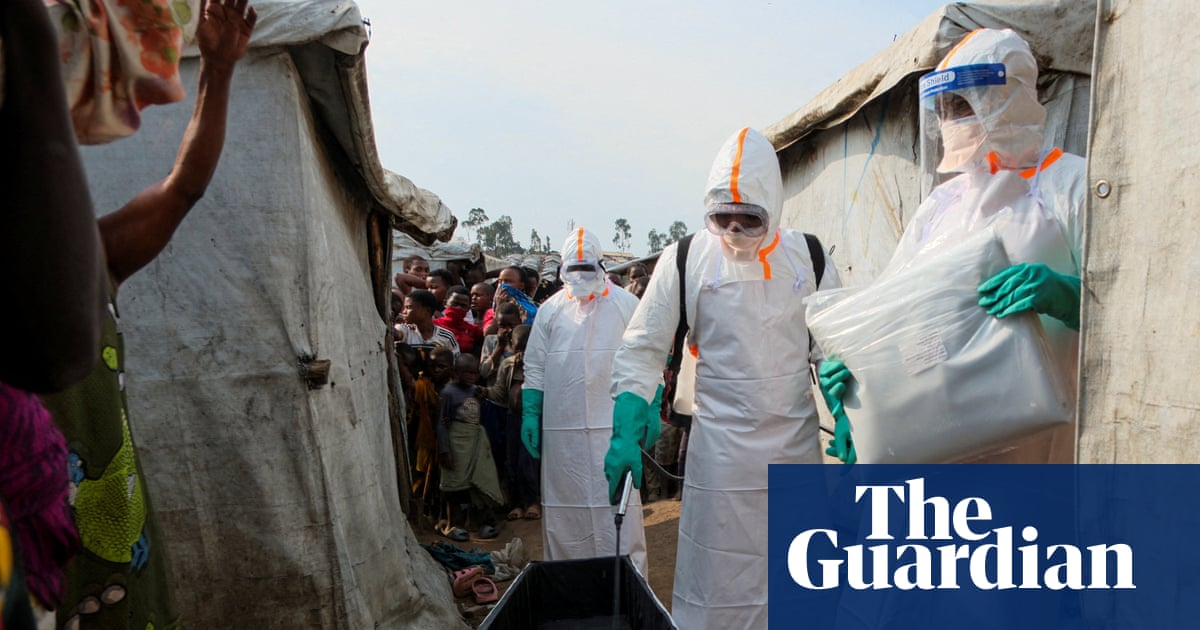
A catastrophic intersection of armed conflict, humanitarian displacement, and public health neglect has left nearly 300 people who tested positive for Ebola unaccounted for in the Democratic Republic of the Congo (DRC). The crisis highlights the severe vulnerability of displaced populations, as more than 1 million people remain trapped in displacement camps where health workers are completely barred from entry due to localized conflict. Dr. Jean Kaseya, director general of the Africa Centres for Disease Control and Prevention (CDC), emphasized that the outbreak cannot be halted without addressing the underlying humanitarian catastrophe.
According to regional health data, a discrepancy in the records of recoveries, deaths, and active treatments reveals that 297 individuals who tested positive for the virus are missing. In the absence of state protection or medical infrastructure, these individuals are lost within a displaced population that has been stripped of basic human rights and healthcare access. Dr. Kaseya raised urgent questions regarding their whereabouts, pointing out that without access to the camps, tracking the virus is an impossible task.
This systemic failure is reflected in alarming projections published in The Lancet Infectious Diseases by the World Health Organization’s (WHO) Africa regional office. Modeling predicts that the region will face approximately 8,210 cases and 1,420 deaths by mid-September. The crisis also threatens to exploit regional health disparities, with modeling indicating a 70% probability that the outbreak will spread to neighboring South Sudan, a nation also struggling with systemic instability and limited medical infrastructure.
To date, the outbreak has recorded 1,118 confirmed cases and 291 deaths within the DRC, along with 20 cases and two deaths in neighboring Uganda. The global dimensions of the crisis were highlighted when a doctor working with the medical NGO Alima tested positive in France after returning from the DRC. While the organization investigates the contamination, the incident underscores the severe risks faced by frontline workers operating in under-resourced, high-conflict environments.
In an attempt to contain the spread, DRC authorities have imposed a 21-day travel restriction on individuals leaving the affected provinces. However, such restrictions place a heavy burden on displaced workers and vulnerable populations trying to flee conflict zones. The outbreak, caused by the Bundibugyo strain of the virus, is already the largest five-week post-declaration outbreak on record, outpacing the early stages of the devastating 2014-2016 West Africa outbreak, which recorded only 239 cases at the same mark before going on to kill over 11,000 people.