Independent MPs Weigh Party Formation to Challenge Corporate-Driven Politics
Teal independents consider forming a party to combat the influence of big money in politics and push for progressive policies, while navigating the complexities of maintaining grassroots connections.
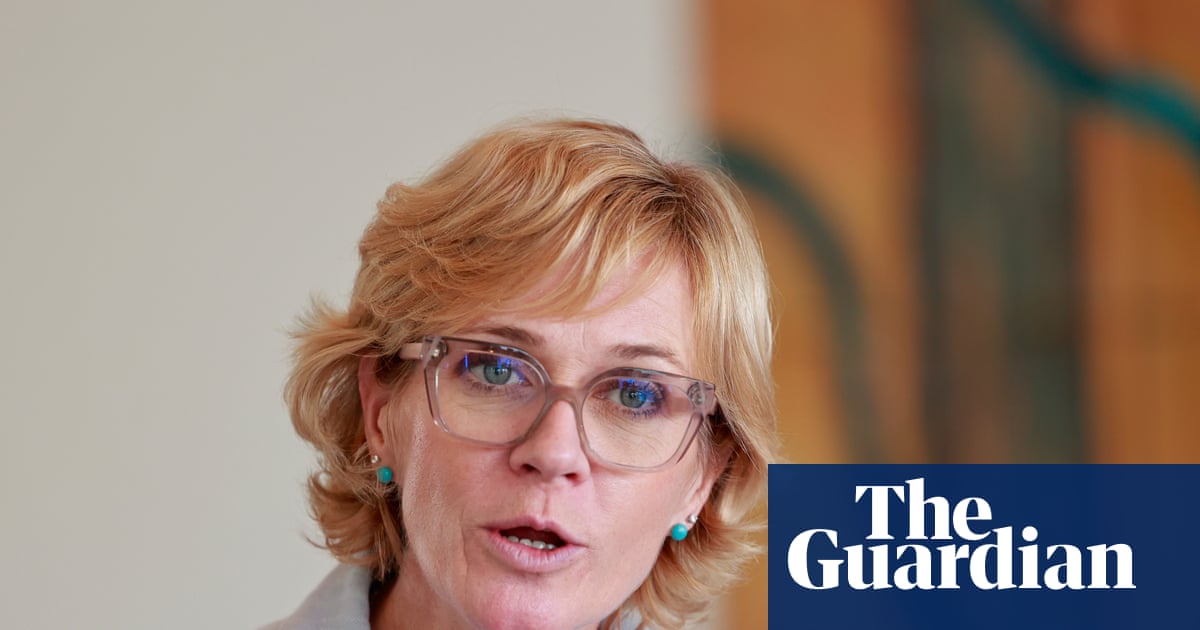
Canberra - Australian independent MPs are grappling with a crucial decision: whether to form a unified political party to better challenge the dominance of corporate interests and advocate for policies that benefit everyday Australians. Zali Steggall, the Warringah MP, has emerged as a leading voice in this discussion, arguing that current donation laws and spending caps unfairly advantage major parties, effectively silencing the voices of community-backed independents. This imbalance, she contends, perpetuates a system where wealthy donors and corporate lobbyists exert undue influence on political outcomes, undermining the democratic process and marginalizing the concerns of ordinary citizens.
Steggall's concerns echo the broader critique of a political system increasingly shaped by money. The rise of groups like One Nation, fueled by wealthy benefactors, further underscores the need for progressive forces to organize and level the playing field. By forming a party, teal independents could pool resources, share expertise, and amplify their collective voice, challenging the status quo and advocating for policies that prioritize social justice, environmental sustainability, and economic equality.
However, the decision is not without its challenges. Several other prominent independents, including Monique Ryan (Kooyong), Helen Haines (rural independent), and Kate Chaney (Curtin), have expressed reservations about joining a formal party. These concerns often stem from a desire to maintain their grassroots connections and avoid the perceived constraints of party discipline. For these independents, their strength lies in their ability to represent the specific needs and values of their local communities, free from the dictates of party leadership.
This tension highlights a fundamental dilemma for the independent movement: how to balance the need for collective action with the desire to preserve individual autonomy and community focus. A successful path forward will require careful consideration of these competing priorities, ensuring that any potential party structure empowers, rather than constrains, the ability of independent MPs to effectively represent their constituents.
Former Prime Minister Malcolm Turnbull's past discussions with crossbenchers about a potential party structure underscore the long-standing recognition of this challenge. Turnbull's observation that there exists a “vacuum for an alternative centre party” highlights the potential for a new political force to emerge, one that can bridge the gap between traditional party politics and grassroots activism.