Trump's Iran Deal: A Chance for Peace or Another Opportunity for Corporate Greed?
Progressives raise concerns about sanctions relief benefiting corporations over the Iranian people as Trump defends the deal against GOP hawks.
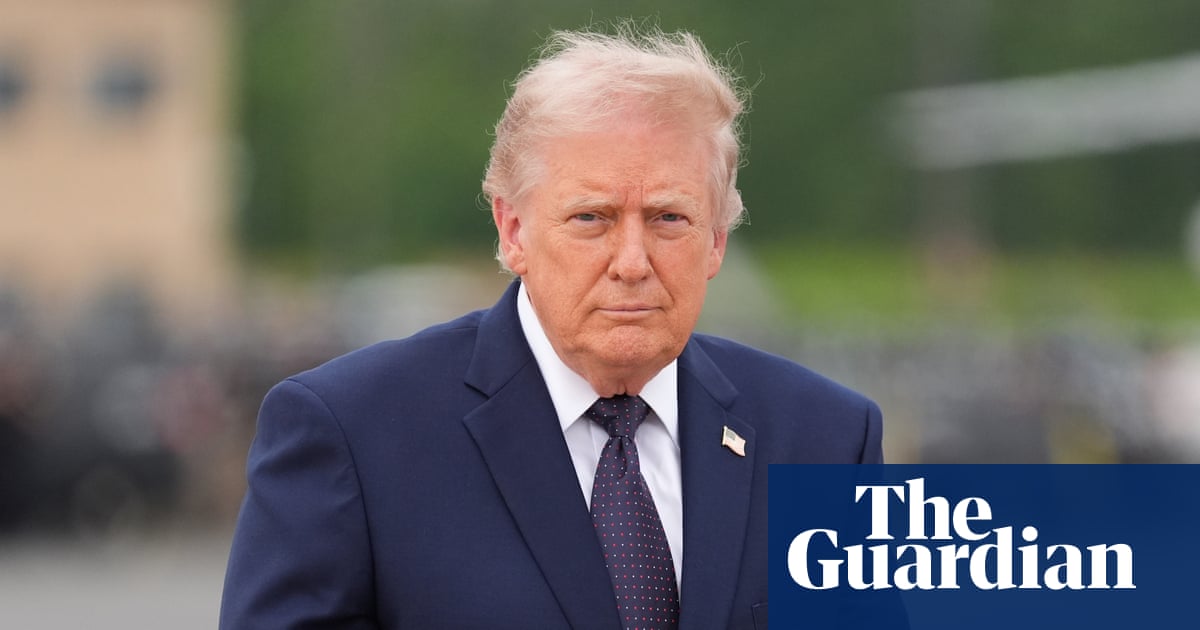
Washington D.C. - As President Donald Trump navigates criticism from his own party regarding a potential agreement with Iran, progressives are raising questions about the true beneficiaries of the proposed deal, focusing on whether the sanctions relief will trickle down to the Iranian people or simply line the pockets of multinational corporations.
Trump, facing heat from Republican hawks who decry the deal as a “disaster,” took to social media to defend his approach, claiming it will be “THE EXACT OPPOSITE” of the Obama-era nuclear agreement, which many progressives viewed as a step towards de-escalation and diplomacy. He emphasized the need for careful negotiation, stating, “both sides must take their time to get it right … There can be no mistakes!” However, progressives remain skeptical, pointing to Trump's track record of prioritizing corporate interests over human rights.
The proposed agreement reportedly involves sanctions relief for Iran and the release of up to $20 billion in frozen assets, in exchange for Iran reopening the Strait of Hormuz and committing to negotiations on its nuclear program. While some see this as a positive step towards easing the suffering of the Iranian people, who have been severely impacted by sanctions, others worry that the freed-up assets will be used to further entrench the power of the Iranian regime or benefit international corporations seeking to exploit Iran's resources.
A key point of contention is the unfreezing of $12 billion in Iranian assets held in Qatar. The U.S. is reportedly conditioning the release of these funds on progress in the transfer of Iran's enriched uranium, a move that some see as a reasonable safeguard, while others criticize it as perpetuating the cycle of mistrust and hindering genuine progress towards peace.
Furthermore, the deal reportedly requires a cessation of hostilities between Iran, the U.S., their allies, and a halt to Israel's offensive in Lebanon. Progressives emphasize the need for a comprehensive approach to peace that addresses the root causes of conflict in the region, including economic inequality, political repression, and the legacy of colonialism.
The historical context of U.S.-Iran relations is crucial. The 1953 CIA-backed coup that overthrew Iran's democratically elected Prime Minister Mohammad Mosaddegh continues to cast a long shadow, fueling resentment and mistrust. The subsequent support for the Shah's autocratic regime further alienated the Iranian people and paved the way for the 1979 revolution. Trump's withdrawal from the JCPOA in 2018, despite international consensus, further exacerbated tensions and undermined diplomatic efforts.