Inquest Highlights Cycle of Violence Stemming from Alleged Child Abuse, Policing Practices
The Porepunkah shooting raises questions about the intersection of child protection failures, police intervention, and community safety.
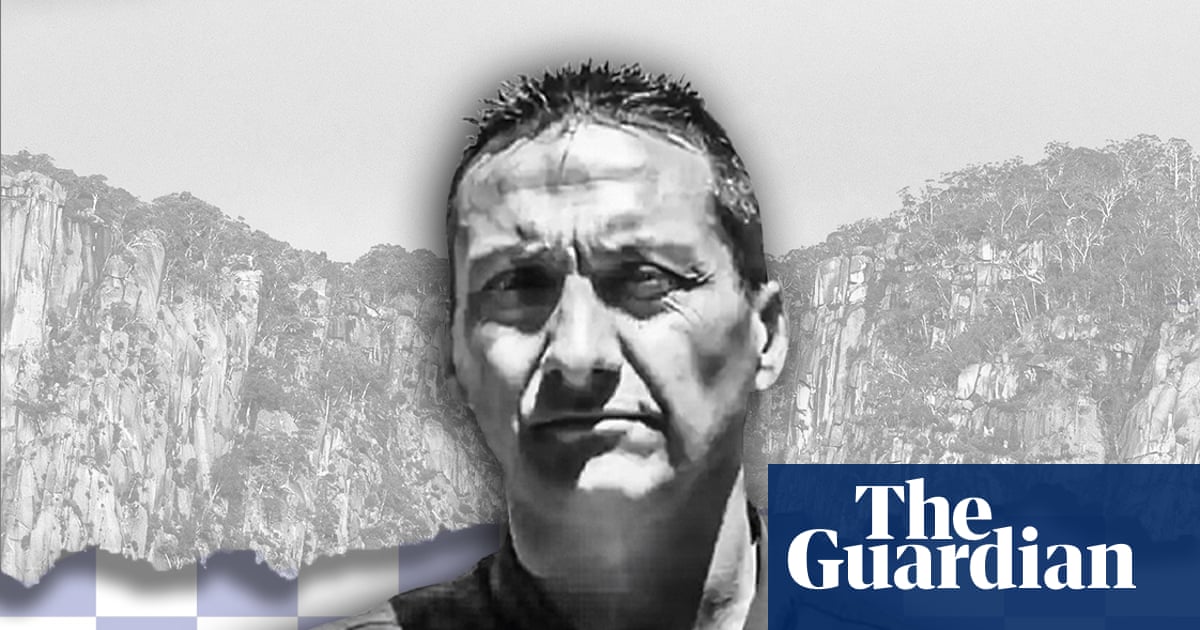
POREPUNKAH, Australia — The inquest into the deaths of two Victoria police officers and Dezi Freeman underscores the urgent need for systemic reform in both child protection services and policing practices. The tragedy in Porepunkah, which began with allegations of child sexual assault and culminated in a deadly shootout, is a stark reminder of how failures in one area can cascade into devastating consequences for all involved.
State Coroner Liberty Sanger is presiding over hearings into the deaths of Detective Leading Senior Constable Neal Thompson, 59, Senior Constable Vadim De Waart-Hottart, 35, and Dezi Freeman, also known as Desmond Filby. The revelation that police were executing a search warrant related to alleged child sexual assault and the attempted creation of child abuse material highlights the vulnerability of children and the critical importance of effective intervention.
However, the events that followed raise serious questions about the appropriate use of force and the potential for escalation when dealing with individuals already suspected of serious crimes. The militarized approach of serving a warrant with a large team of officers, including members of the child abuse squad, may have contributed to a climate of fear and resistance, ultimately leading to the deaths of two officers and the suspect himself.
The inquest must consider not only the immediate circumstances of the shooting but also the broader social context. What systemic failures allowed the alleged abuse to occur in the first place? Were adequate resources available to support the child victim and prevent further harm? Could a less confrontational approach to serving the warrant have averted the tragic outcome?
Furthermore, the seven-month manhunt for Freeman following the shooting raises concerns about the allocation of resources and the impact on the communities affected. While the safety of the public is paramount, it is essential to ensure that law enforcement efforts are proportionate and do not further marginalize vulnerable populations.
Forensic criminologist Dr. Claire Ferguson from Queensland University of Technology emphasizes the need for a comprehensive reconstruction of the events to understand what occurred and prevent future deaths. This reconstruction must include an examination of the role of systemic factors, such as poverty, lack of access to mental health services, and historical trauma, in contributing to the cycle of violence.